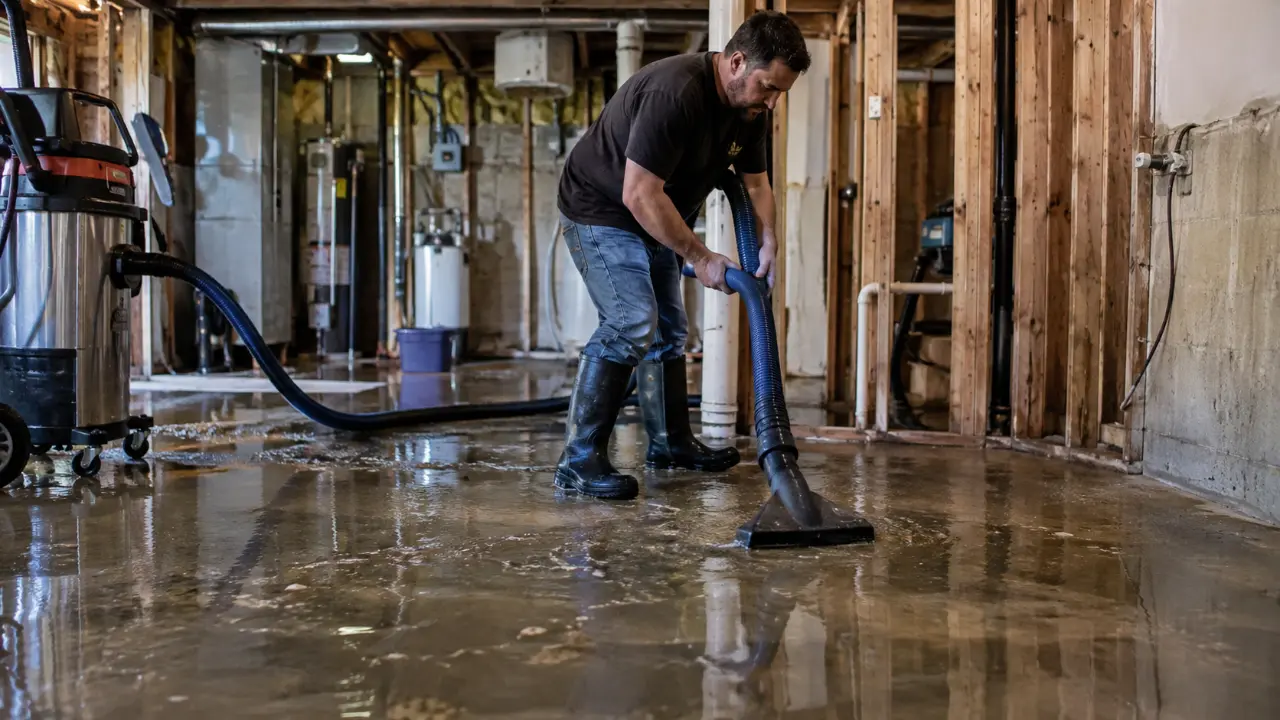
Standing water out, wet materials assessed, drying underway
Basement Water Removal Denver CO
Basement Water Removal Denver CO gets water out of your home and identifies wet materials before damage spreads. Denver Water Defense helps homeowners and property managers facing storm flooding, burst pipes, appliance overflows, or sewage backups. Our crew pumps standing water, checks affected surfaces, and sets up appropriate drying equipment so you can move from an active mess to a measured cleanup plan.
Live dispatcherUpfront optionsBacked workmanship
What's included
What Basement Water Removal Includes
Our service covers immediate water assessment, removal of accessible standing water, and moisture checks in affected areas. We explain whether drying equipment is needed and identify materials that are visibly or measurably wet. Reconstruction, plumbing repairs, and replacement of damaged finishes are separate work, but our findings help you understand what should happen next.
Water source assessment
We identify whether water is coming from a pipe, appliance, storm entry, or sewer backup and check whether it is still entering. Knowing the source and contamination level shapes equipment selection, safe access, and the order of cleanup.
Standing water removal
We use pumps for deeper pools and extraction tools for residual water on accessible surfaces. The method depends on depth, room access, flooring, and whether water is clean or contaminated; the goal is to remove bulk water without spreading it.
Affected material inspection
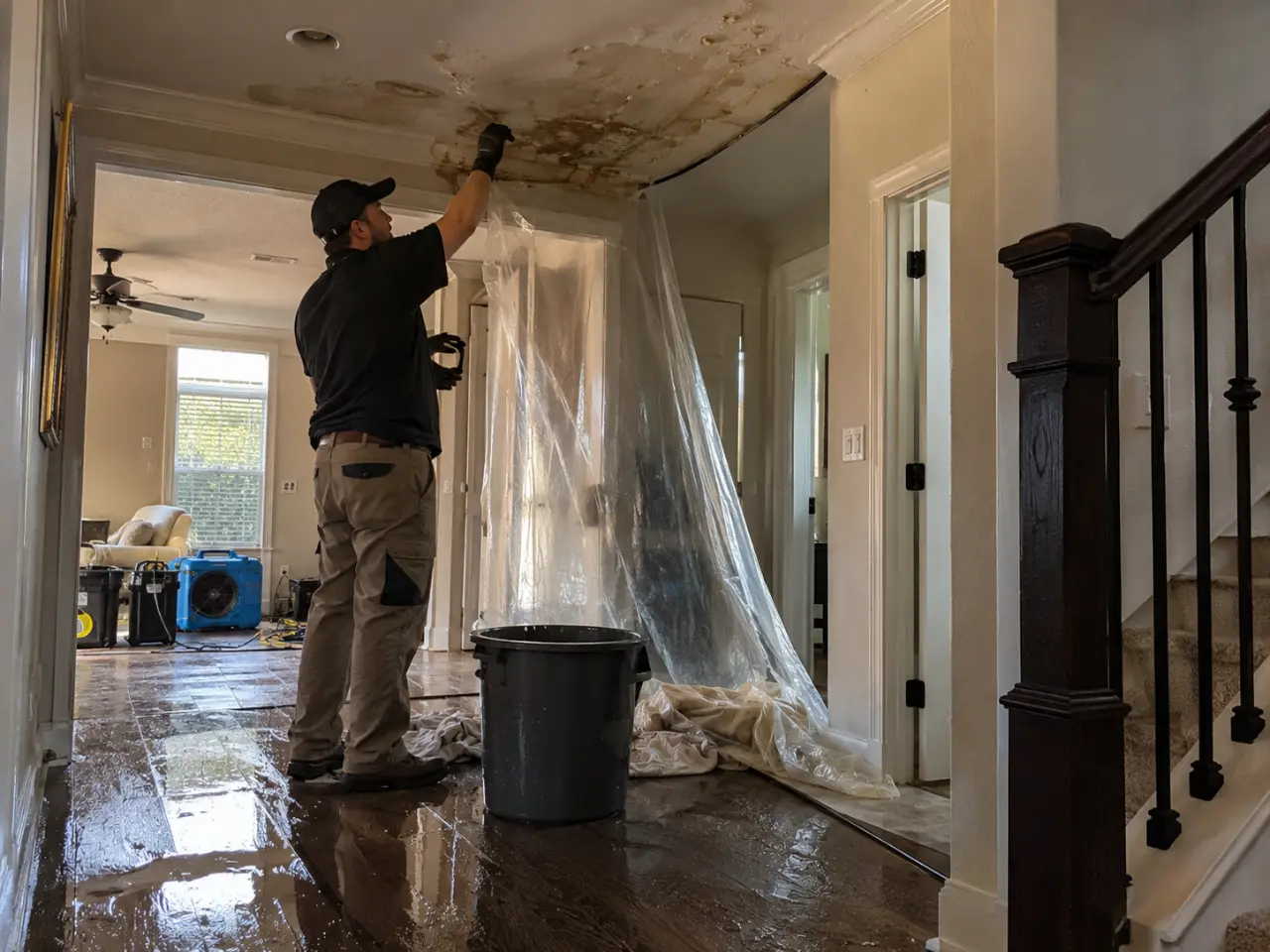
We check carpet, padding, drywall, subflooring, and other materials for visible damage and moisture. These checks help determine whether a surface can be dried in place or needs removal to reach concealed saturation.
Drying equipment placement
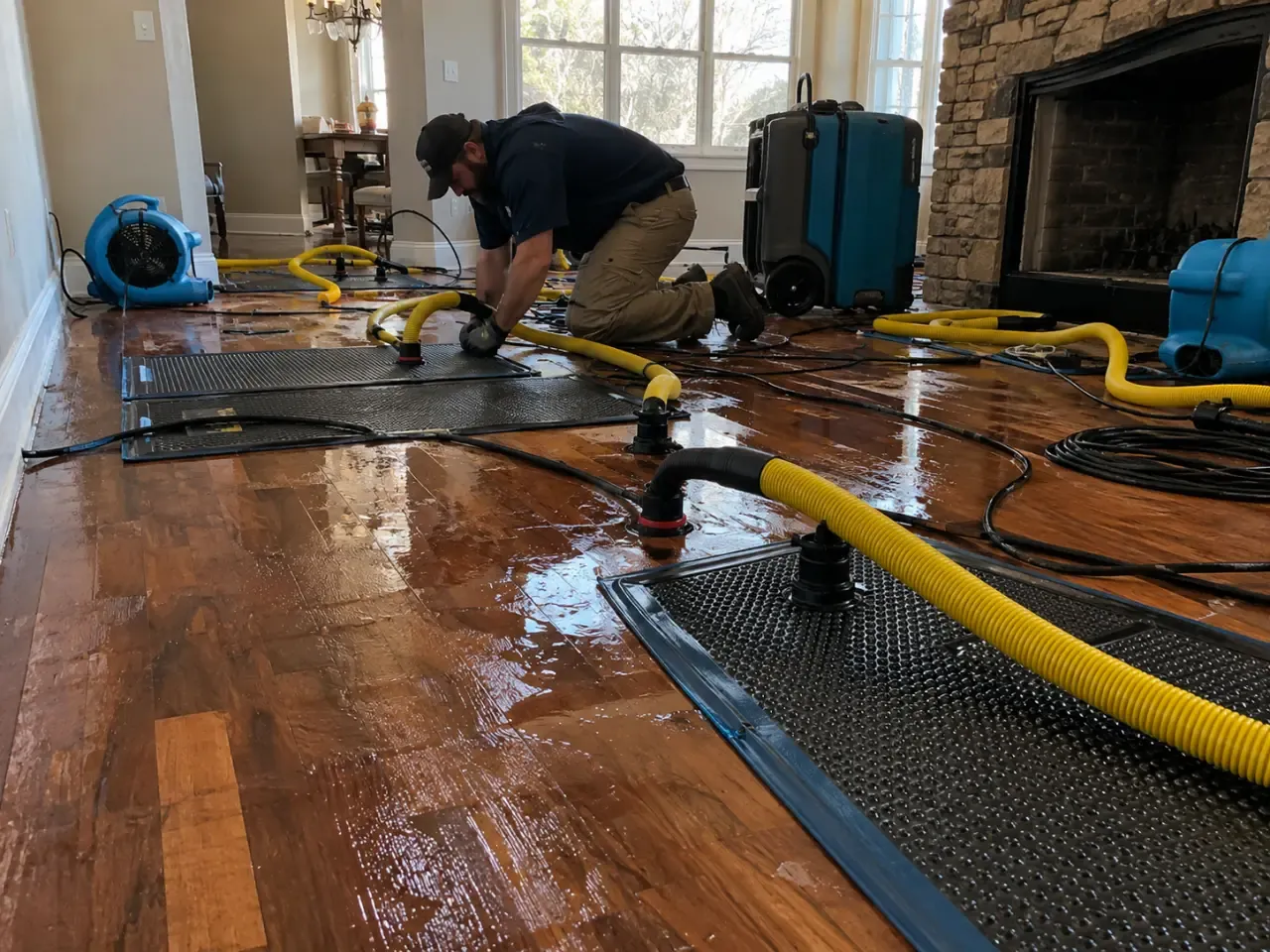
When drying is part of the work, we place air movers and dehumidification equipment to support evaporation and moisture removal. Placement follows the room layout and material readings, with follow-up checks to gauge progress rather than leaving equipment without review.
Cleanup documentation
We record affected areas and moisture findings so you can follow what was wet and how conditions change. That information is useful when arranging repairs or discussing a water loss with your property insurer.
Service overview
Basement Water Removal Denver CO: The Work
Basement Water Removal Denver CO is an emergency property restoration service that removes accumulated water and addresses affected building materials after a leak, flood, or backup. We first identify electrical and contamination hazards, then use pumps or extraction equipment suited to the water depth and floor surface. After bulk removal, we inspect carpet padding, subflooring, drywall, and other porous materials with a moisture meter. That distinction matters: a dry-looking floor can conceal moisture beneath it, while water left in wall cavities can create conditions for microbial growth.
Denver homes face fast snowmelt, intense summer storms, frozen pipe leaks, and plumbing failures in finished and unfinished basements. Our Denver basement water removal process accounts for the source, water category, affected materials, and access to the space. If you're searching for 24/7 basement water removal in Denver CO, tell us whether the water is clean, dirty, or sewage-contaminated, how deep it is, and whether power is affected. Those details help us bring suitable equipment and protect occupants.
How we workWe verify the cause, compare realistic options, and confirm the repair before we leave.
The service timeline
How The Job Moves
The process flexes to the condition, but these checkpoints keep decisions clear.
Safety check
We begin by checking the water source, depth, electrical risks, and possible contamination. If water is near outlets, appliances, or a panel, we keep people clear until the hazard is controlled. This first assessment usually takes 15 to 30 minutes, depending on access and the size of the affected area.
Stop the source
We help identify whether a burst pipe, appliance overflow, groundwater entry, or sewer backup is feeding the water. You may need a plumber for a supply-line repair; our cleanup work does not substitute for that repair. Once the flow is stopped or isolated, extraction can proceed without chasing new water.
Pump and extract
We use a submersible pump for deeper pooled water, then a wet/dry vacuum or extraction unit for residual water on accessible surfaces. On carpet, we extract from the face and assess the padding below. The main pumping stage can take one to several hours, depending on volume and route to the discharge point.
Map wet materials
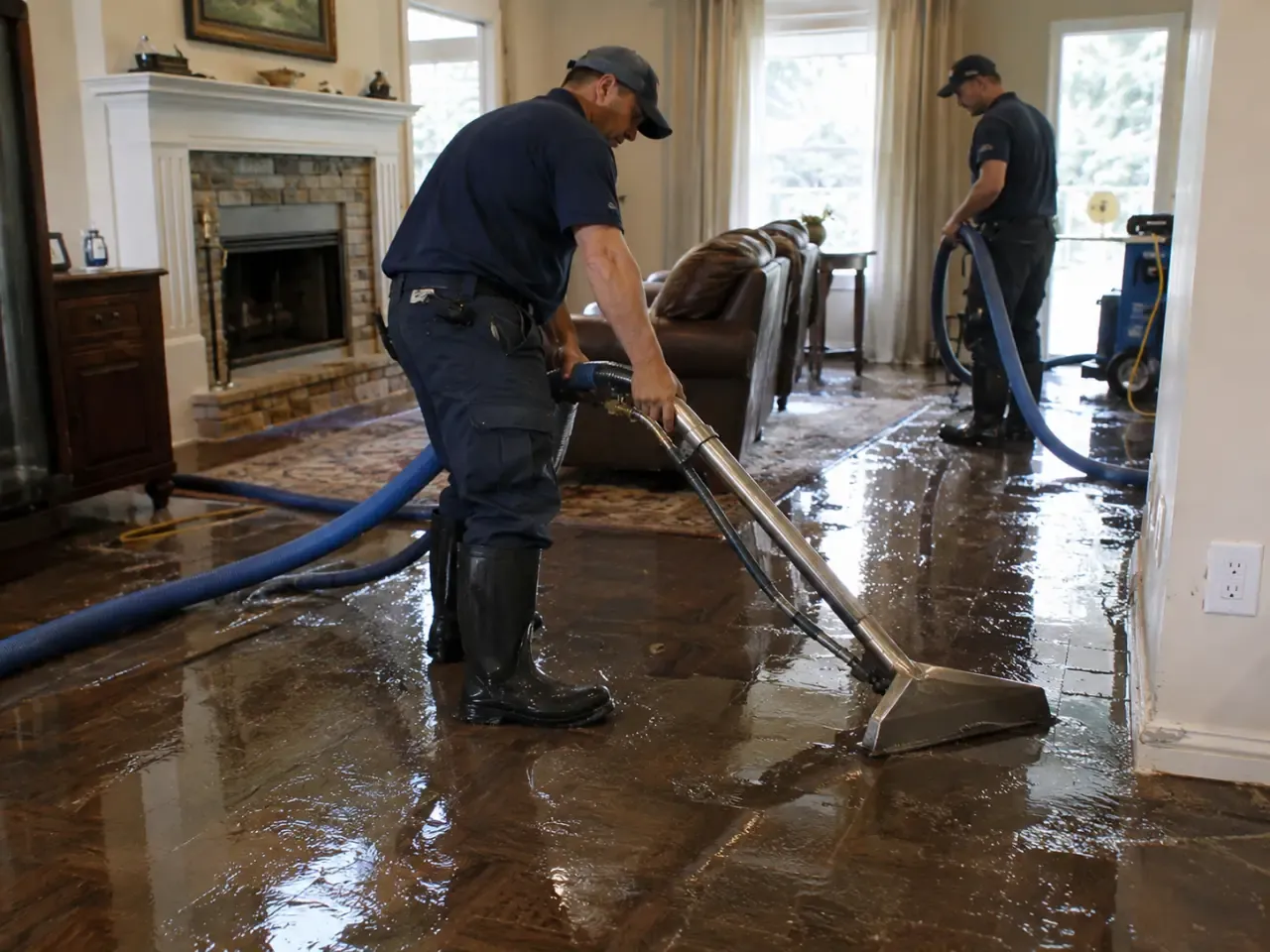
Our technicians take moisture readings across floors and lower wall sections, checking beyond the visible waterline. A moisture meter helps compare wet areas with unaffected materials; a thermal imaging camera can help locate temperature patterns that warrant closer inspection. We explain the findings before removing material or positioning drying equipment.
Dry and recheck
We place air movers and a commercial dehumidifier to move moisture out of salvageable materials, then check readings as conditions change. Drying often takes 3 to 5 days, with room temperature, humidity, material type, and saturation affecting duration. We review progress with you and adjust equipment when readings call for it.
Tools & methods
Equipment And Drying Methods
Purpose-built equipment, used by trained technicians, so the job is done accurately the first time.
Submersible pump
Moves deeper standing water from a basement floor to an appropriate discharge point. We select and position the pump based on water depth, safe access, and the layout of the affected space.
Truck-mounted water extractor
Provides high-capacity extraction for accessible surfaces and some carpet assemblies after bulk water is pumped away. It helps remove residual water that a pump cannot collect from a floor surface.
Portable extraction unit
Reaches basement rooms, stairs, and tighter areas where a truck-mounted system is impractical. We use it to extract water from accessible flooring and targeted materials.
Moisture meter
Measures moisture in building materials and helps compare affected locations with drier reference areas. Repeat readings show whether drying is progressing or further inspection is needed.
Air mover and dehumidifier
Moves air across wet surfaces and removes moisture from the room. We position equipment according to the space and readings, then adjust it as materials dry.
Use cases
When To Call For Removal
These examples show how the service framework adapts rather than forcing every call through one repair.
Stormwater At A Window Well
After a strong storm, water entered through a basement window well and spread across roughly 120 square feet of carpet and tile. The puddle was shallow, but the carpet edge and drywall near the window felt damp. The owner had removed loose belongings but could not see how far moisture traveled. → We extracted water from the affected floor, checked the carpet edge and lower wall, and documented moisture readings at several points. Drying equipment was arranged to keep the utility route open. A follow-up check 3 days later showed declining readings in the accessible materials, while the owner arranged a separate repair to the exterior entry point.
Washer Overflow Near Storage
A washing machine overflow spread across a basement utility floor and reached stored linens and the edge of a nearby finished room. The water was less than an inch deep, but it had moved under a cabinet toe kick and left the floor slick. The homeowner stopped the machine and needed the area cleared. → We removed pooled water with extraction equipment, checked the cabinet edge and adjacent flooring, and separated wet washable contents from materials requiring disposal. Air movers supported drying in the utility area. Moisture checks over 2 days showed the accessible floor was drying, and the homeowner arranged appliance service before restarting the washer.
Problems we solve
Stop Problems From Lingering
Water left under flooring or behind finished walls can continue affecting a Denver basement after surface puddles disappear. We focus on the source, hidden moisture, and material condition. The right response depends on whether the water came from a clean supply line, storm entry, or a contaminated backup.
Carpet soaked through into padding after a pipe leak
We extract water from the carpet and inspect the padding and floor beneath it. Moisture readings guide whether the assembly can be dried in place or whether saturated padding must be removed. After extraction, we position drying equipment and recheck conditions so you have a reasoned next step rather than a guess based on touch.
Stormwater pooling near basement walls and window wells
We locate the visible entry path, remove pooled water, and check the lower wall and nearby flooring for moisture. We separate extraction from exterior drainage or window-well repairs, which may need a contractor. Once the source is controlled, we dry salvageable materials and identify sections that need opening or replacement.
Sewage backup spreading across a basement floor
We assess the affected area, restrict access, and remove contaminated water and materials using suitable protective procedures. Surfaces are cleaned and treated with an antimicrobial disinfectant in accordance with EPA-registered disinfectant label compliance. We also identify porous items that require removal rather than surface cleaning.
Hidden moisture beneath hardwood after water is extracted
We inspect flooring and accessible edges, take moisture readings, and remove remaining water where equipment can reach it. Drying is monitored before replacement or refinishing decisions are made. If the floor assembly is damaged beyond practical drying, we explain the findings so you can coordinate flooring repairs.
Pricing process
Basement Removal Pricing
$500 - $4,500 for common extraction and drying work; larger or contaminated losses can exceed this range.
Water volume and depth
A few gallons from a localized leak takes less pumping time than several inches across multiple rooms. Depth, floor area, and the route to a safe discharge point affect labor and equipment needs, so share your best estimate when calling.
Water contamination
Clean supply water, stormwater, and sewage require different controls and cleanup steps. Contaminated losses can add protective measures, disposal needs, and cleaning time; they should not be priced like an uncomplicated clean-water spill.
Finished materials affected
Carpet, padding, drywall, insulation, and wood flooring each require separate assessment. If saturated porous materials need removal, labor and disposal increase. Accessible hard floors with limited exposure generally need less work than a finished room with concealed moisture.
How much does basement water removal cost in Denver?
Most Denver basement water removal jobs cost about $500 to $4,500, depending on water volume, contamination, materials, and drying needs. A small, accessible utility-room spill costs less than several inches of water across a finished basement. Typical 2026 pricing also changes if carpet padding, drywall, or insulation must be removed. We explain the work and upfront price before proceeding, then track drying separately from any reconstruction.
Who provides emergency basement water extraction in Denver CO?
Denver Water Defense provides emergency basement water extraction in Denver CO for homes and properties with active flooding, pipe leaks, or backups. Call (720) 844-2918 and describe the water source, depth, and any electrical or sewage concerns. Our crew uses pumps and extraction equipment to remove water, then checks affected materials and recommends the next drying steps. If a plumbing failure is still active, stopping the source is essential before cleanup can be completed.
How quickly should water be removed from a Denver basement?
Remove standing water as soon as the area is safe, ideally within 24 hours, to limit prolonged saturation. The clock matters most for carpet, drywall, and wood materials that absorb water. If you're dealing with standing water removal from a Denver basement, keep people away from electrical hazards and call for help rather than entering deep or contaminated water. We assess the source and begin extraction once the work area is safe.
Does basement water cleanup include drying in Denver?
Yes, a complete cleanup plan in Denver includes assessing moisture and drying salvageable materials after bulk water removal. We place air movers and dehumidification equipment based on readings, then recheck affected surfaces; drying often takes 3 to 5 days. Water removal alone does not confirm that subflooring or lower walls are dry. Material removal, repairs, and plumbing work are separate tasks when the inspection shows they are needed.
Related services
Other Cleanup Services
Flood Water Extraction & Cleanup
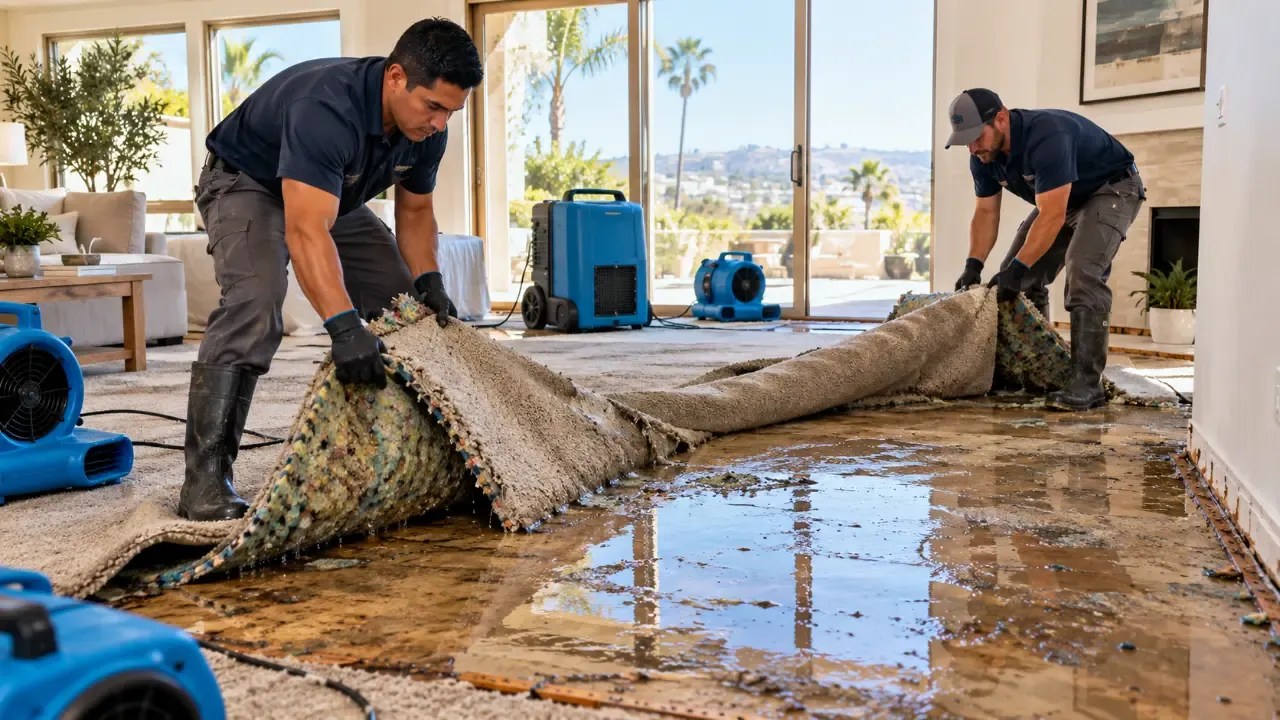
When stormwater spreads beyond one basement room, flood extraction addresses pooled water across connected spaces. We remove water, assess affected contents and building materials, then coordinate drying across the larger footprint so moisture is not left in adjoining rooms.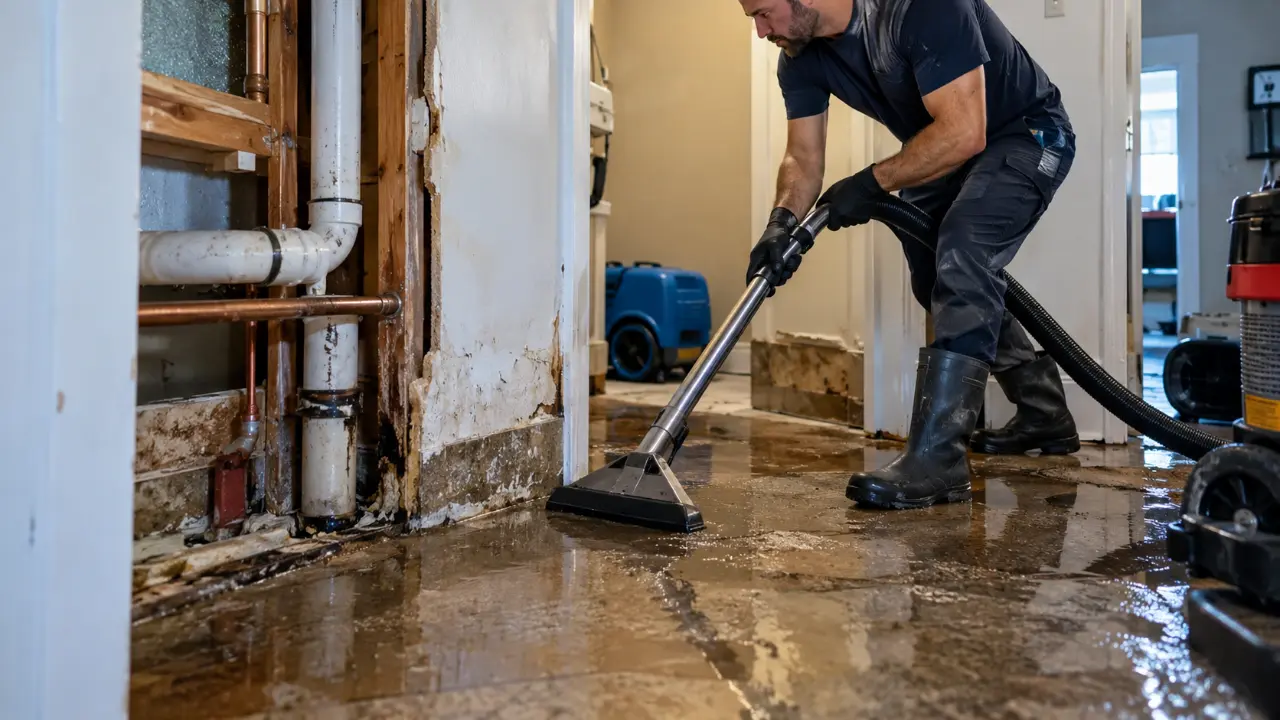
Sewage Backup Cleanup
A sewer backup brings contamination that requires different handling from a clean pipe leak. We remove affected water and materials using appropriate protective procedures, then clean and disinfect surfaces according to the product label and the condition of the space.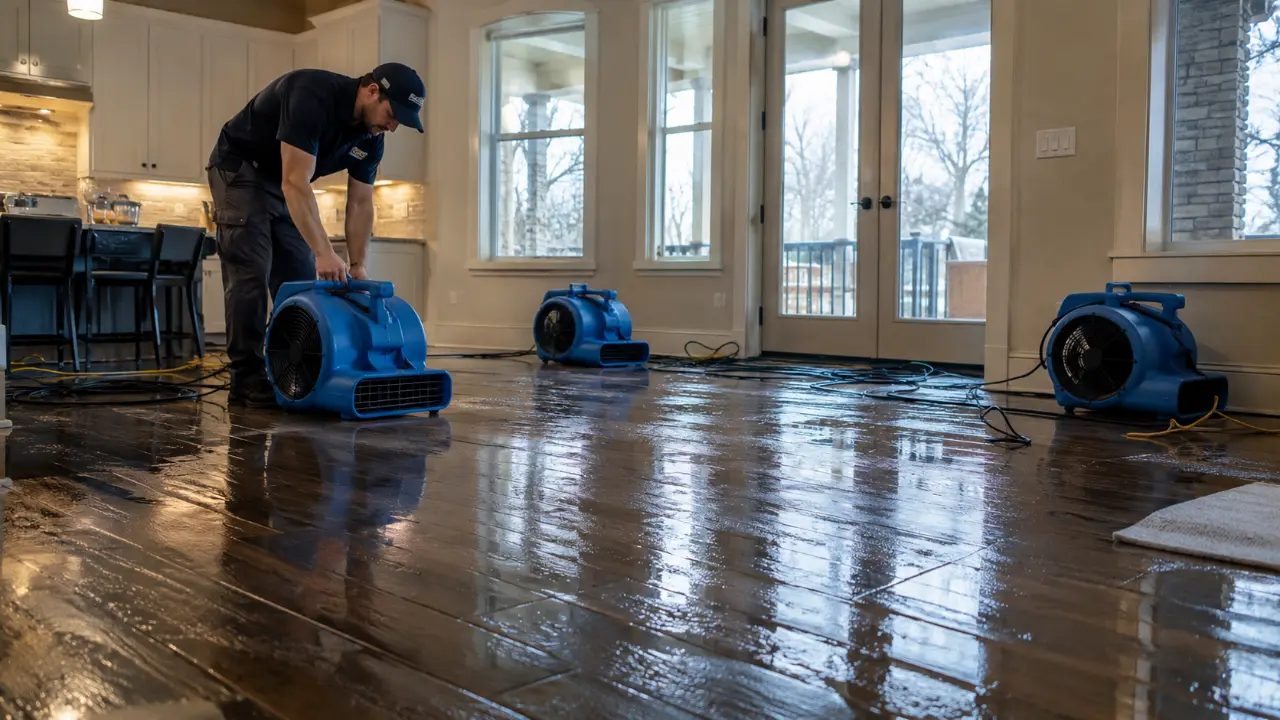
Structural Drying & Dehumidification
After extraction, moisture can remain in walls, framing, floors, and enclosed cavities. Structural drying uses air movement and dehumidification with repeat moisture checks, helping you avoid closing up materials before they reach suitable drying conditions.Ready when you are
Get Basement Water Removal Denver CO
Standing water gets harder to manage the longer it remains against flooring and walls. Call Denver Water Defense at (720) 844-2918; our IICRC-trained technicians will ask about the source, water depth, and safety concerns so we can direct the next step.
Talk with the local team
Request Basement Water Removal
If water is pooling in your home or business, call Denver Water Defense at (720) 844-2918. We take emergency calls 24/7 and respond to water extraction needs across Denver, CO. Tell us where the water started, which rooms are affected, and whether power or sewage is involved so our team can help you prioritize the next step.