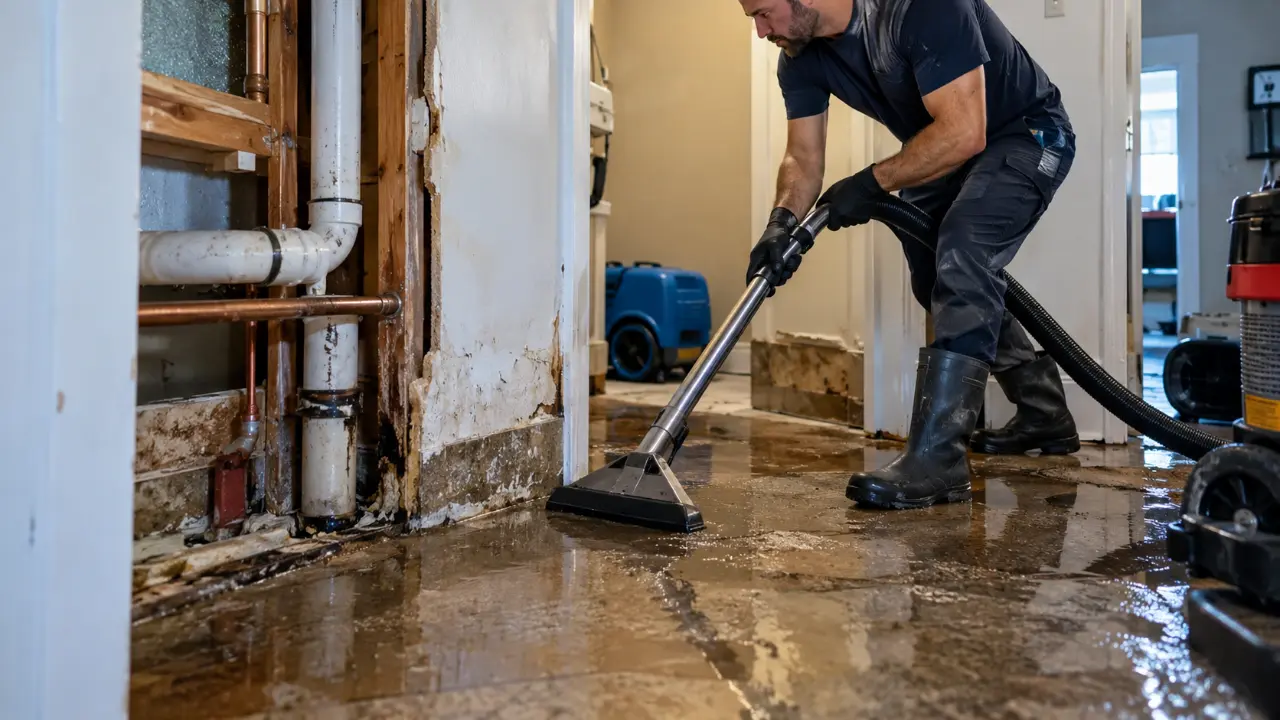
We remove contaminated water and restore affected rooms.
Sewage Backup Cleanup Denver CO for Safer Homes
Sewage Backup Cleanup Denver CO helps homeowners and property managers contain raw sewage, remove contaminated water, and clean affected materials before the damage spreads. Our Denver Water Defense team responds to backups in basements, bathrooms, and commercial spaces, using controlled extraction and sanitation methods. Call (720) 844-2918 when drains overflow, a floor drain releases wastewater, or a sewer line pushes contaminated water into your property.
Live dispatcherUpfront optionsBacked workmanship
What's included
What Sewage Backup Cleanup Includes
Sewage backup cleanup covers the contaminated area from initial assessment through extraction, cleaning, disinfection, and moisture checks. We identify materials that can be cleaned and those that should be removed after direct sewage contact. Structural repairs, plumbing line replacement, and full finish reconstruction are separate phases when required; we explain those needs without treating them as part of basic extraction.
Contaminated Area Assessment
We trace visible wastewater, check nearby rooms and transitions, and identify the likely source and affected materials. You receive a practical work-zone explanation, including where occupants should avoid walking. The assessment helps determine whether a bathroom-only response is sufficient or a basement, hallway, or adjoining room also needs attention.
Water and Debris Removal
We extract standing sewage and remove contaminated debris using equipment suited to the space. A submersible pump handles deeper pooled water, while portable extraction equipment reaches smaller or restricted areas. We use controlled handling so removed material does not pass through clean rooms or shared building spaces.
Surface Cleaning and Disinfection
After bulk waste is removed, we clean affected hard surfaces and apply an antimicrobial disinfectant appropriate to the material. We follow label directions for dilution and contact time. This is a cleaning step, not a cosmetic deodorizing treatment, and heavily contaminated porous materials may need removal instead.
Drying and Moisture Checks
We monitor remaining moisture in floors and wall edges, then place drying equipment where readings show it is needed. Follow-up checks help determine whether drying is progressing or equipment needs adjustment. We explain what readings mean and review the area before the drying phase is closed.
Service overview
Sewage Backup Cleanup Denver CO Explained
Sewage Backup Cleanup Denver CO is a contaminated-water restoration service that removes sewage and sanitizes affected building materials after a drain, sewer line, or plumbing fixture backs up. We first identify the affected area and stop the source when it is safe to do so, then extract standing water, remove unsalvageable porous materials, and clean and disinfect remaining surfaces. We check moisture beyond the visible stain because wastewater can travel beneath flooring and into wall cavities. The goal is a documented, dry, sanitary space, not simply a floor that looks clean.
Denver properties see backups after heavy runoff, frozen pipe leaks, aging drain lines, and basement flooding; older homes can also have low-level fixtures that reveal a blockage first. Our Denver sewage backup cleanup approach separates contaminated contents from clean areas and keeps foot traffic out of the work zone. If you are wondering how to clean up a sewage backup in a Denver home, avoid contact, keep children and pets away, and call for trained extraction and sanitation rather than using a household vacuum.
How we workWe verify the cause, compare realistic options, and confirm the repair before we leave.
The service timeline
What to Expect During Cleanup
The process flexes to the condition, but these checkpoints keep decisions clear.
Assess and Isolate
On arrival, we identify the source, affected rooms, water depth, and safe access route. We ask you to point out when the backup began and whether the drain or toilet is still active. The initial assessment commonly takes 30 to 60 minutes, depending on the layout. We isolate the contaminated area and identify any urgent plumbing issue that needs a licensed plumber.
Extract Standing Water
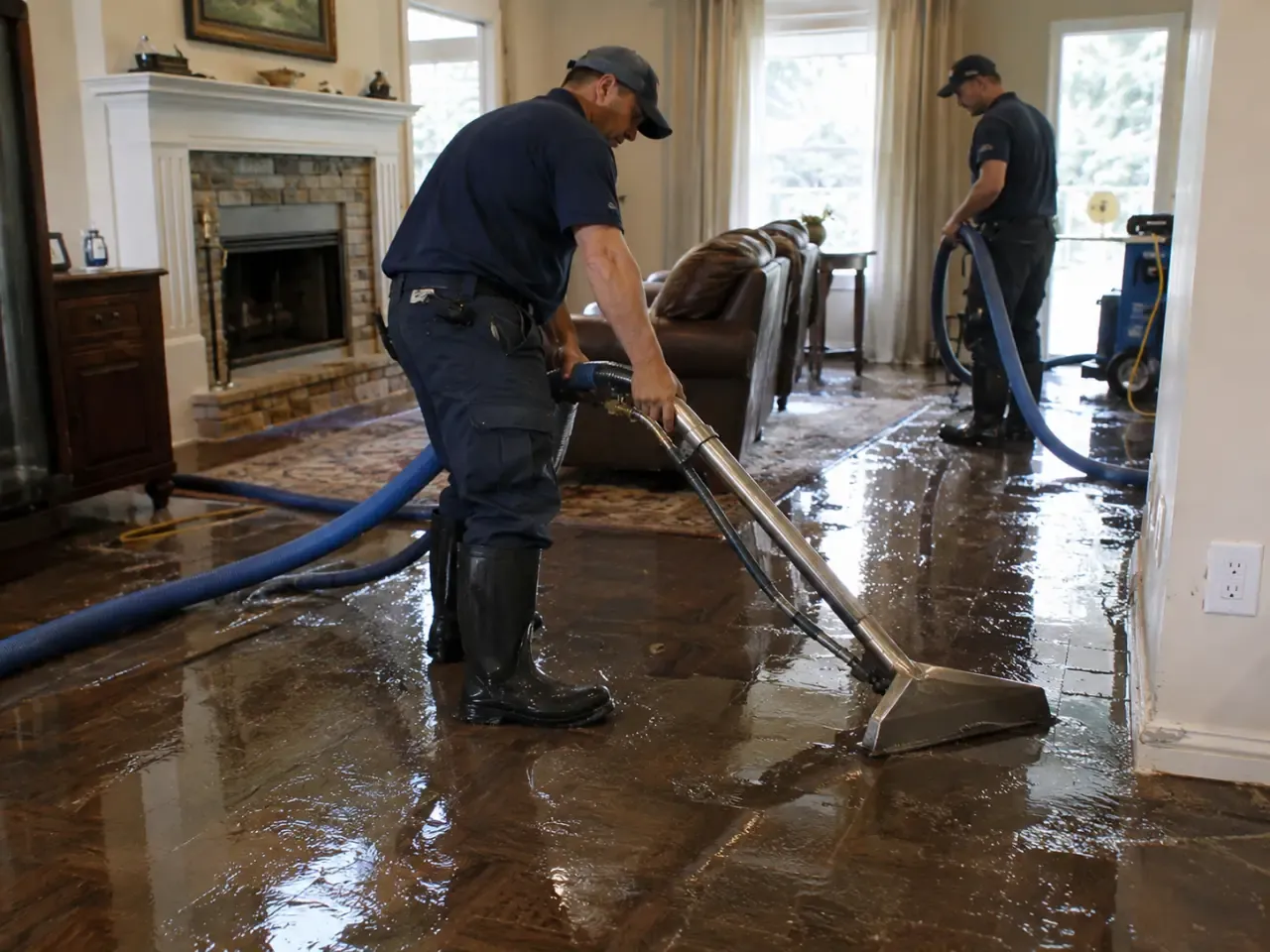
We remove wastewater with a submersible pump or portable extraction unit selected for the volume and access. A truck-mounted water extractor may be used when hose access and site conditions allow. Extraction time ranges from about 1 to 4 hours for many contained rooms, with larger or deeper basement flooding taking longer. You will see the water level fall before detailed cleaning begins.
Remove Contaminated Materials
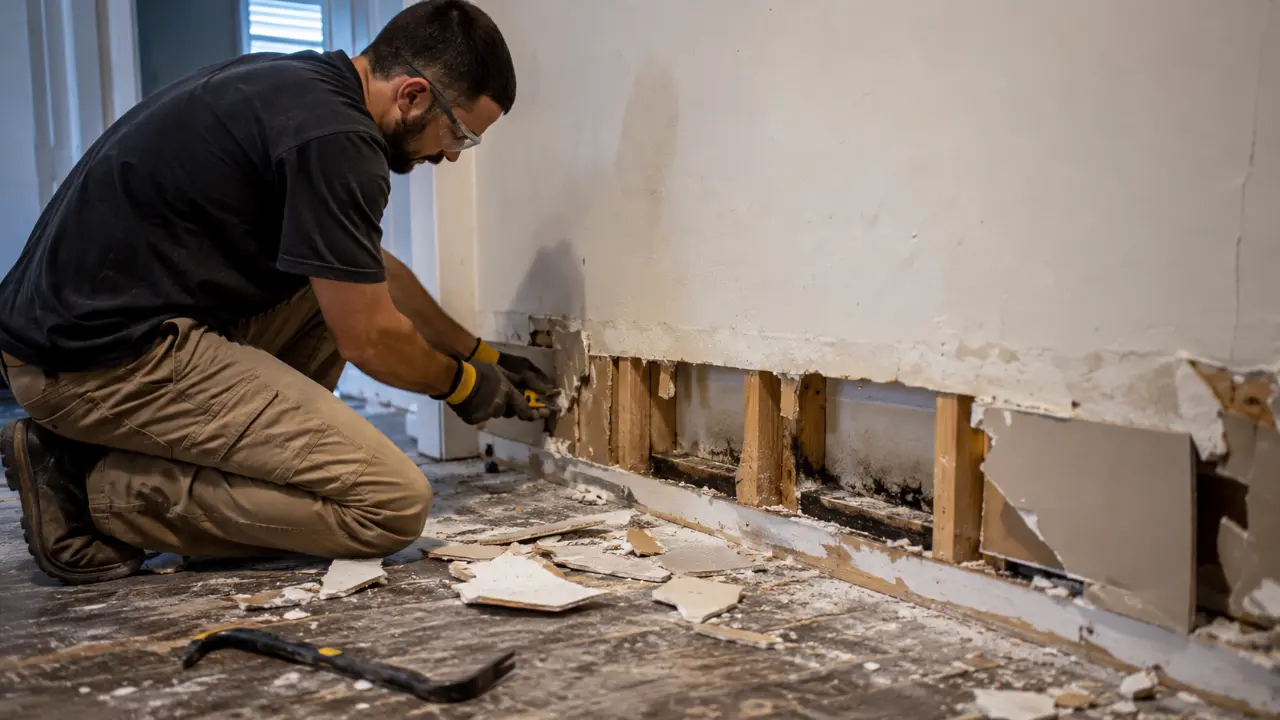
We inspect flooring, carpet padding, drywall, and stored contents that contacted sewage. Materials that cannot be safely cleaned are removed and bagged for proper handling, while salvageable hard surfaces stay for cleaning. This step can take 2 to 6 hours in a limited area. We explain each removal decision so you can see why a material is being kept or discarded.
Clean and Disinfect
Our technicians remove remaining soil, clean surfaces, and apply an appropriate antimicrobial disinfectant according to its label directions. We pay attention to seams, floor edges, and the transition between affected and unaffected areas. The cleaning phase often takes several hours, and more than one pass may be needed where residue is heavy. We keep the work zone controlled throughout.
Dry and Verify
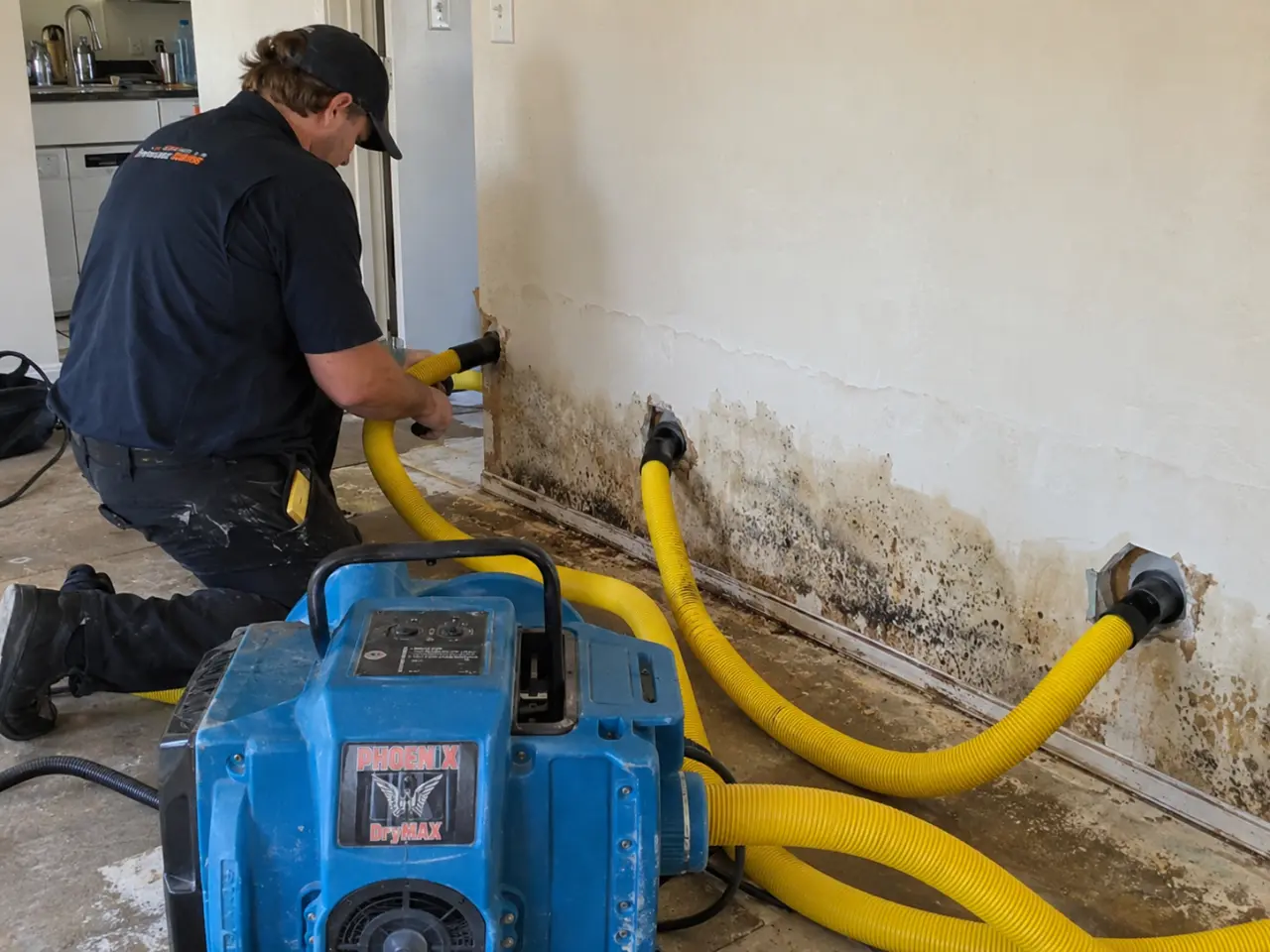
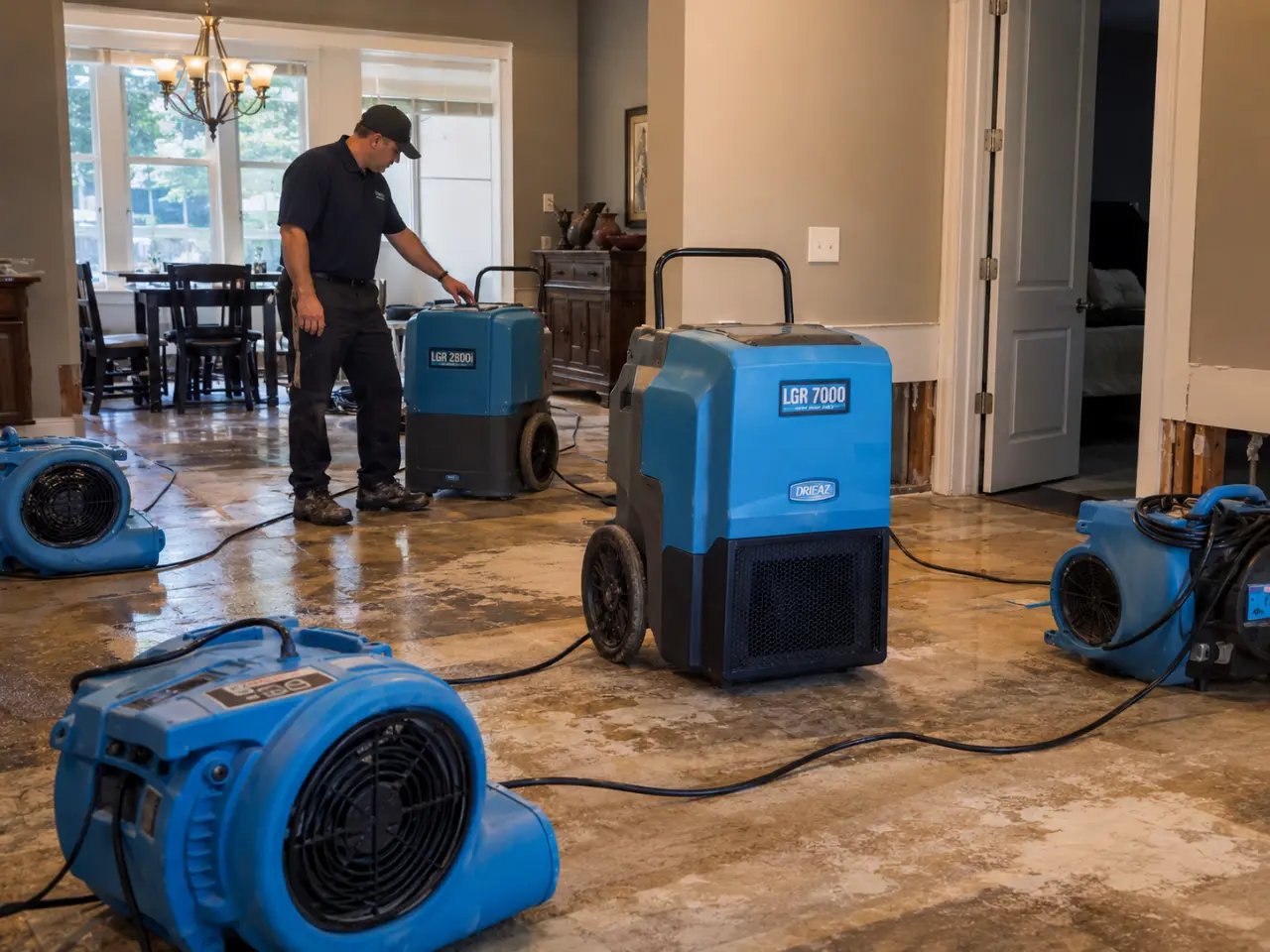
We position air movers and a commercial dehumidifier where drying will reach the affected assembly without spreading contamination. Moisture checks guide adjustments and follow-up visits. Structural drying commonly takes 2 to 5 days, depending on material, temperature, airflow, and how long water remained. We review the readings and the cleaned area with you before wrapping up.
Tools & methods
Equipment and Cleanup Methods
Purpose-built equipment, used by trained technicians, so the job is done accurately the first time.
Submersible pump
We use a submersible pump to move deeper standing water from basement low points and utility rooms. It speeds bulk removal before detailed extraction and cleaning begin.
Portable extraction unit
A portable extraction unit reaches restricted rooms and smaller pools where truck-mounted access is impractical. It helps remove water from flooring and controlled work zones.
Moisture meter
We take readings at floors, wall bases, and other likely migration paths. Comparing readings during follow-up checks shows whether moisture is declining or drying needs adjustment.
HEPA air scrubber
A HEPA air scrubber can support dust control around removal and cleaning work. Its placement and use depend on the work zone and the materials being handled.
Dri-Eaz dehumidifier
A Dri-Eaz commercial dehumidifier removes moisture from the air during structural drying. We pair it with appropriate airflow and monitor conditions rather than running equipment without checks.
Use cases
When to Call for Cleanup
These examples show how the service framework adapts rather than forcing every call through one repair.
Bathroom Overflow Reaching Hall
A toilet backup affected a small bathroom and crossed the doorway into a carpeted hall. Wastewater reached the carpet edge, leaving the household unsure whether cleaning the tile alone would solve the problem. The bathroom remained out of use, and family members were stepping around the damp area to reach other rooms. → We contained the route, extracted the liquid, removed the affected carpet edge and padding, and disinfected the tile and transition area. The work took about 5 hours, followed by 2 days of monitored drying. Readings at the hallway baseboard helped confirm the wall edge was dry before equipment was removed.
Commercial Utility Room Spill
A sewer overflow affected a shared utility room and part of an adjacent corridor in a Denver commercial building. Staff had placed towels around the doorway, but foot traffic continued to cross the damp route. The property contact needed to know which areas required closure and whether the corridor floor could be cleaned in place. → We established a controlled work zone, removed wastewater and contaminated debris, and cleaned suitable hard surfaces. The affected corridor section was inspected beyond the visible waterline, and drying equipment ran for 4 days with follow-up moisture checks. The manager received an area-by-area update for reopening decisions.
Problems we solve
Problems Solved by Backup Cleanup
Sewage exposure can affect more than the visible puddle. Wastewater may move beneath flooring, soak carpet padding, contaminate stored belongings, or leave moisture inside a wall. We focus on the source, contaminated materials, and hidden wet areas so your cleanup addresses the real footprint rather than only the stain or odor.
Wastewater spreading from a basement floor drain into finished rooms
We isolate the route, extract pooled water, and inspect the transition from utility space to finished flooring. Materials with direct sewage exposure are assessed for removal, while cleanable hard surfaces are washed and disinfected. Moisture checks help identify whether water reached the subfloor or wall base.
Sewage trapped beneath water-damaged carpet and padding
We assess the carpet and padding separately instead of assuming both can be saved. When removal is needed, we take out affected layers and clean the exposed floor. The team checks the subfloor for moisture and sets drying equipment if readings show retained water.
Toilet or laundry drain overflow affecting adjacent rooms
We establish a contained work zone and follow the water path into adjoining spaces. Our crew removes contaminated porous material where needed, then cleans and disinfects suitable surfaces. We verify the edge of the affected area so you are not left with an untreated transition.
Hidden moisture remaining after visible sewage water is removed
We take moisture readings at floor edges and other likely migration points, then adjust drying based on the results. A moisture meter supports follow-up checks, and equipment stays only where conditions call for it. You receive an explanation of the remaining damp areas and their progress.
Pricing process
Sewage Cleanup Pricing
$500-$3,500 for many contained cleanups; extensive multi-room damage can exceed $10,000.
Affected square footage
More contaminated floor area requires more extraction, surface cleaning, and labor. A single bathroom is usually less involved than a basement and adjoining hallway. The footprint matters more than the size of the visible puddle because wastewater can travel beneath a threshold or behind stored items.
Water depth and volume
A shallow surface spill can be extracted faster than several inches of water across a basement. Greater depth may require pump-out before detailed extraction and cleaning. The volume also affects debris handling and the time needed to inspect low points where water collects.
Material removal needs
Carpet padding, drywall, insulation, and other porous materials can require removal after direct sewage exposure. Each material adds handling and disposal time. Cleanable hard flooring generally needs a different process, so the material mix in the affected room changes the total cost.
Who offers 24/7 sewage backup cleanup in Denver?
Denver Water Defense takes calls for 24/7 sewage backup cleanup in Denver CO at (720) 844-2918. We help contain the affected area, assess standing water, and arrange the appropriate extraction and sanitation response. Keep people and pets away from wastewater, avoid running affected fixtures, and do not use a household vacuum. Response and job duration depend on access, water volume, and whether the source has been stopped.
How much does sewage backup removal cost in Denver CO?
A contained cleanup often costs about $500 to $3,500 in 2026, while extensive basement damage can exceed $10,000. Price depends on contaminated area, water depth, material removal, access, and drying duration. We explain upfront pricing before work starts. Plumbing repairs, reconstruction, and contents replacement are separate work when needed, so the cleanup price reflects the restoration tasks actually performed.
Is it safe to stay in a Denver home after a sewage backup?
Leave the affected room immediately; whether you can remain elsewhere in the home depends on containment, ventilation, and the backup's spread. Do not touch sewage or track it through clean areas. A backup confined to a closed bathroom may not require leaving the entire property, but widespread contamination, strong odors, or affected HVAC returns call for a broader safety assessment. We identify the work zone and explain access restrictions.
What is included in sewer backup cleanup in Denver, Colorado?
Sewer backup cleanup in Denver, Colorado includes assessment, contaminated-water extraction, removal of unsalvageable materials, surface cleaning, disinfection, and moisture monitoring when those tasks are needed. The exact work depends on what contacted sewage and how far it traveled. Plumbing repair, rebuilding drywall, and replacing flooring are separate trades or restoration phases. We show you the affected materials and explain the sequence before cleanup proceeds.
Related services
Related Restoration Services
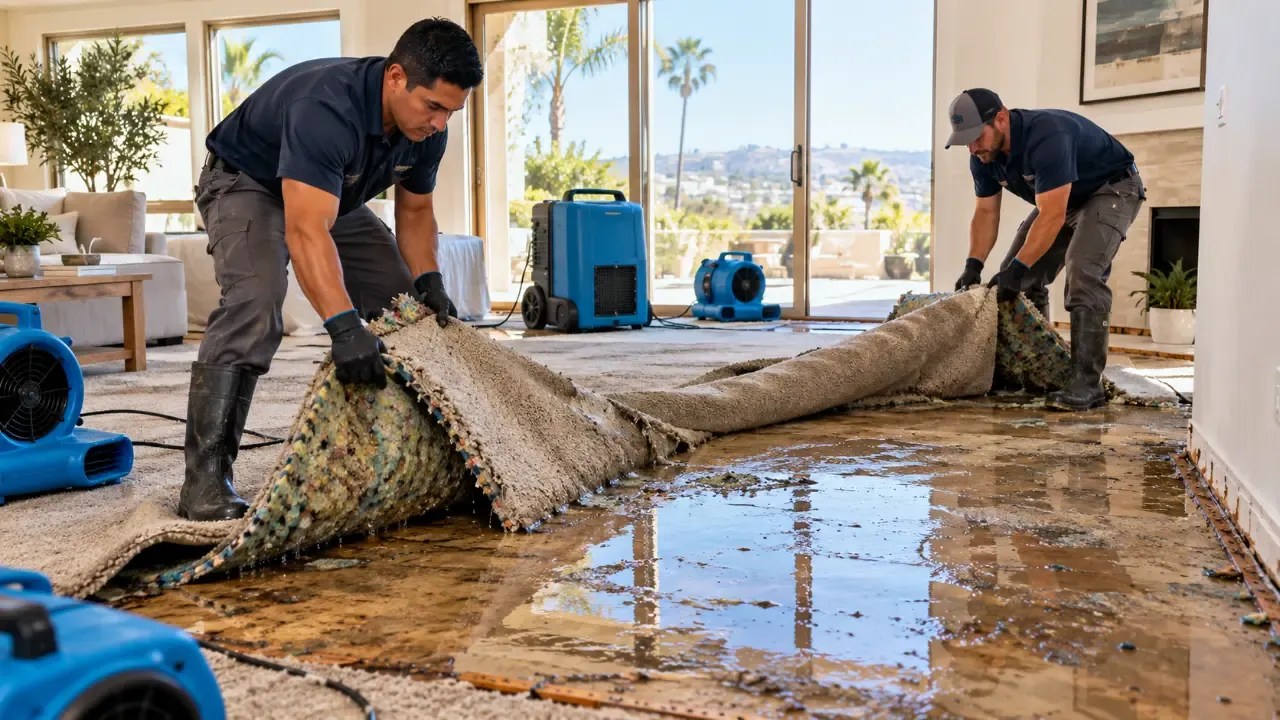
Flood Water Extraction & Cleanup
Floodwater can carry soil and debris into the same basement areas affected by a sewer backup. We extract standing water, assess which materials are salvageable, and set a drying plan for Denver properties. If both sources are present, we keep the contaminated sewage zone separate from cleaner floodwater areas.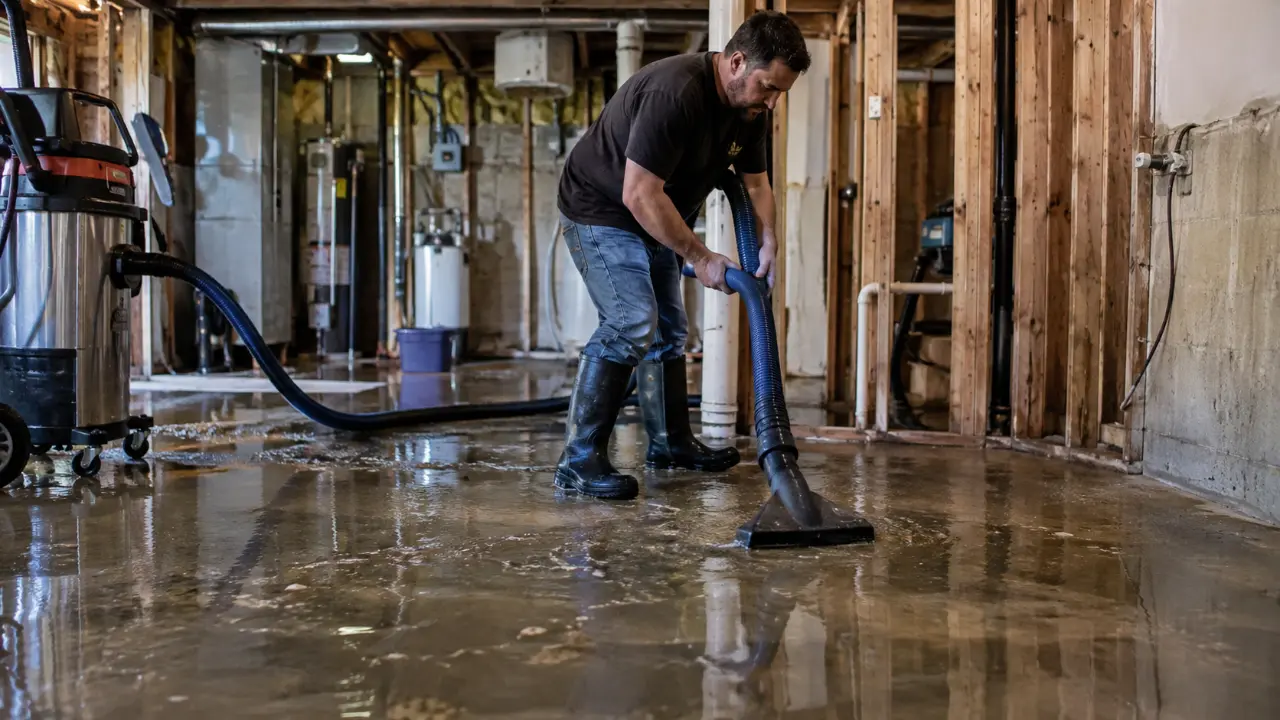
Basement Water Removal
Basement Water Removal addresses standing water around floor drains, storage areas, and finished rooms. After a Denver sewer backup, pump-out is only the first step; contaminated surfaces and porous materials need separate attention. We inspect the floor assembly and remove water before moisture spreads into adjoining rooms.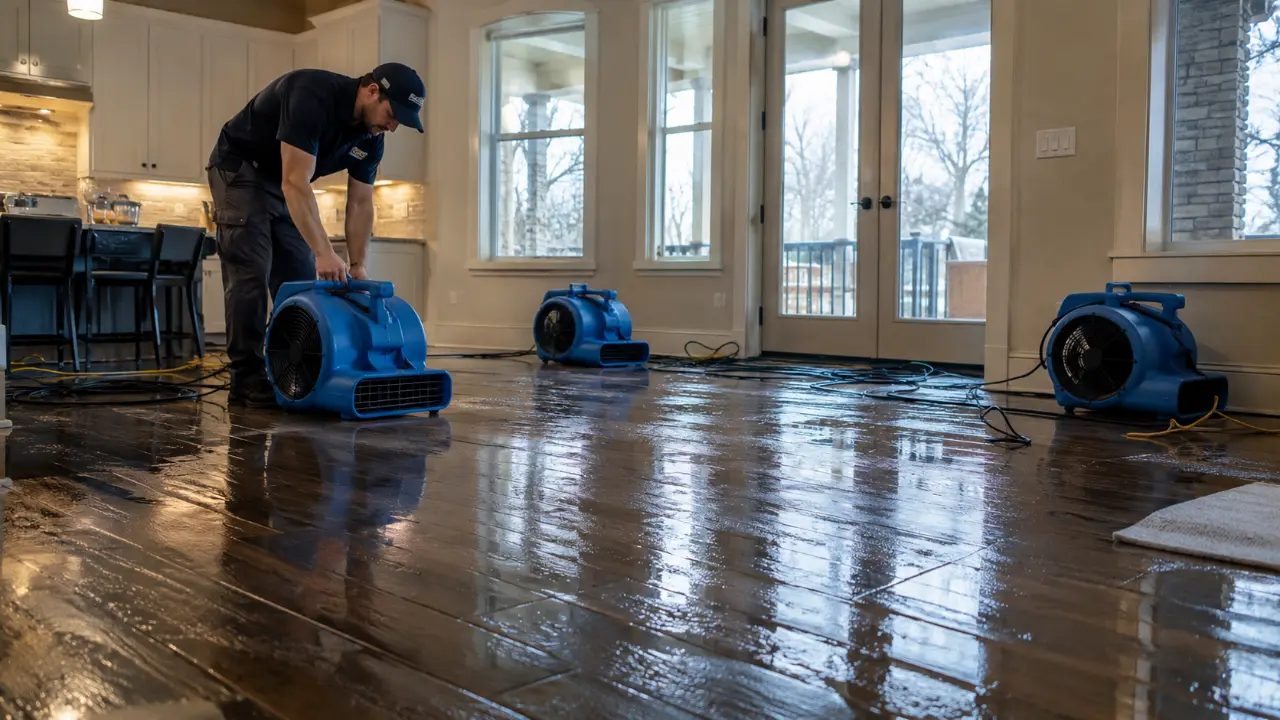
Structural Drying & Dehumidification
Once sewage is extracted and surfaces are cleaned, trapped moisture can remain in framing, subflooring, or wall cavities. Structural drying uses controlled airflow and dehumidification, with readings used to track progress. This service supports a complete cleanup rather than leaving hidden moisture behind a dry-looking floor.Ready when you are
Call for Sewage Backup Cleanup Denver CO
Keep people and pets away from contaminated water and call Denver Water Defense at (720) 844-2918. Our trained team will assess the affected area and explain the next cleanup steps.
Talk with the local team
Request Sewage Backup Cleanup
If water is pooling in your home or business, call Denver Water Defense at (720) 844-2918. We take emergency calls 24/7 and respond to water extraction needs across Denver, CO. Tell us where the water started, which rooms are affected, and whether power or sewage is involved so our team can help you prioritize the next step.