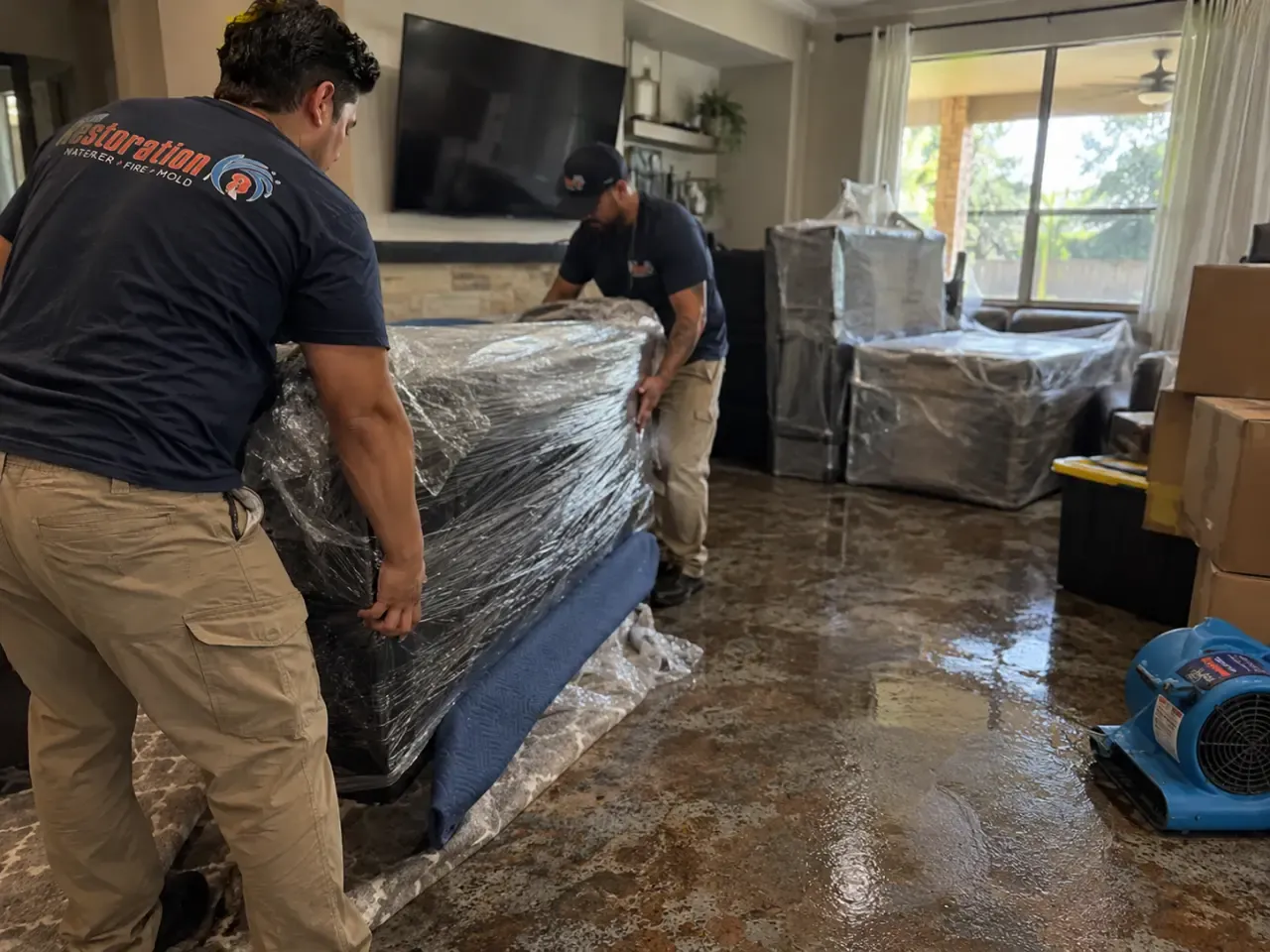
Remove standing water and protect your working building
Commercial Water Extraction in Denver Restores Operations
Commercial Water Extraction in Denver gets water out of offices, retail spaces, warehouses, and other working properties before saturated materials and hidden moisture create more damage. Our crew handles burst pipes, basement flooding, roof leaks, and overflows with commercial-grade extraction and a clear plan for drying. If a leak has stopped your staff or customers in their tracks, call Denver Water Defense at (720) 844-2918 for commercial water removal in Denver.
Live dispatcherUpfront optionsBacked workmanship
What's included
What Commercial Extraction Includes
Commercial water extraction covers assessment of the affected area, removal of standing water, moisture checks, and initial drying setup where needed. We also explain which materials need continued monitoring and what could require separate repair or contents work. The response depends on whether the water came from a clean supply line, storm entry, or sewage backup; those sources require different handling and cleanup steps.
Water Source Assessment
We identify the apparent source, affected rooms, and water pathways before choosing equipment. You can help by sharing when the leak began and whether a plumber has stopped it. This first check guides safe access, water-category decisions, and priorities for extraction.
Standing Water Removal
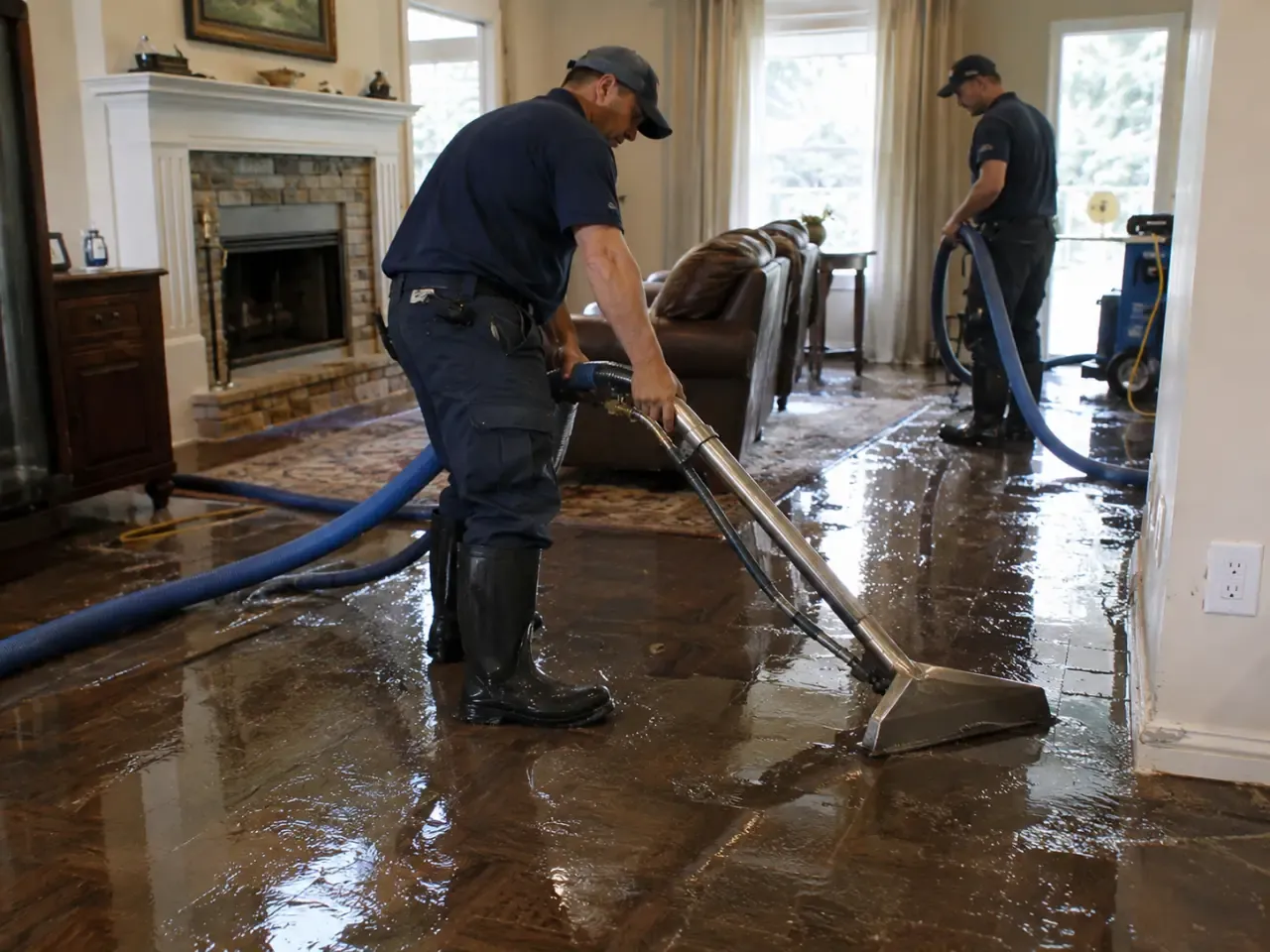
We pump or extract pooled water from floors, carpet, and accessible low spots. Equipment selection depends on depth, floor type, and access, and we work in sections when a large facility cannot be cleared at once. The goal is to remove bulk water without overlooking edges and transitions.
Moisture Checks
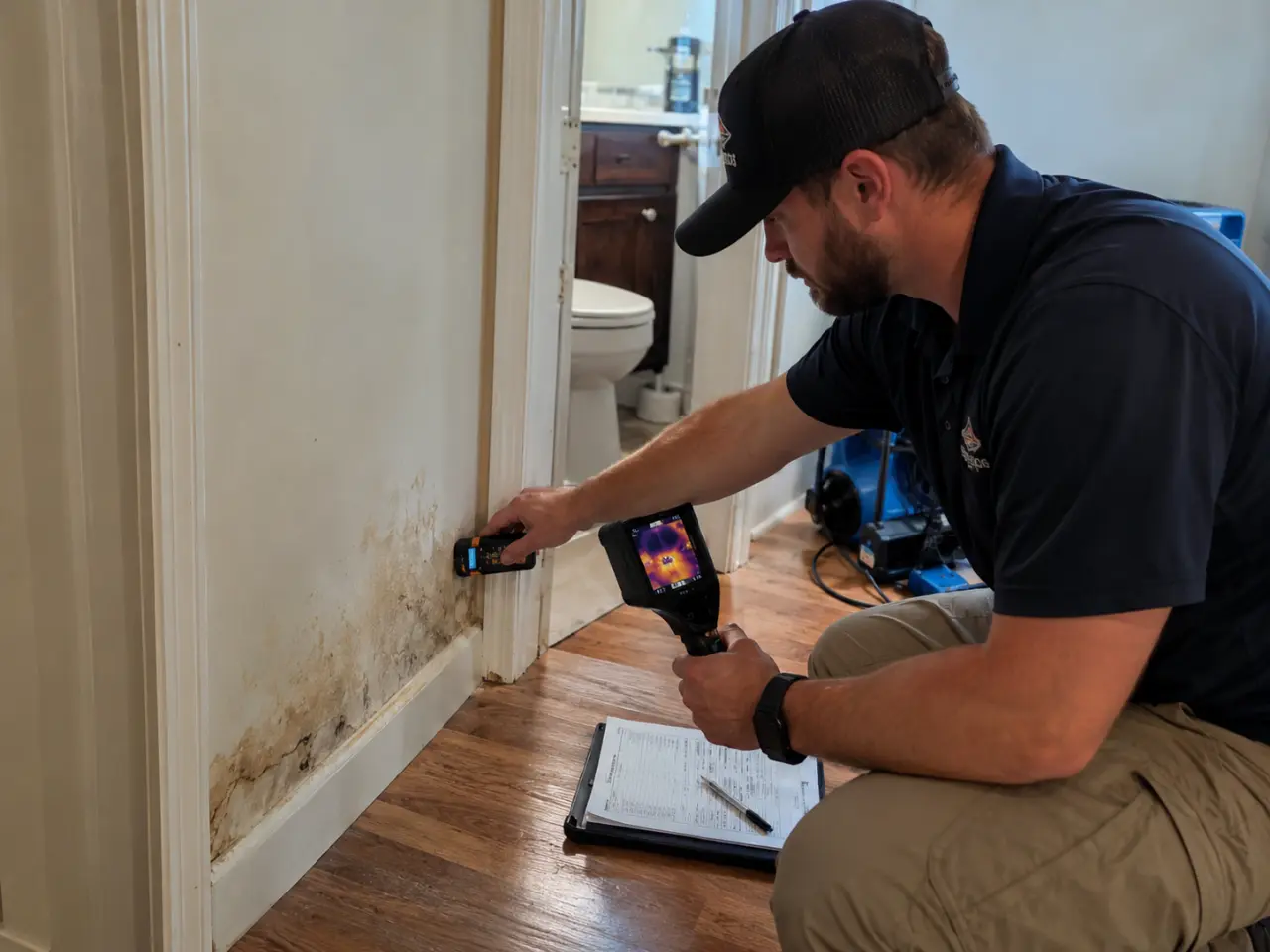
We measure affected materials and nearby comparison areas to find moisture that is not visible on the surface. Readings help identify wet carpet padding, floor underlayment, drywall edges, or other areas that need continued attention after extraction.
Initial Drying Setup
Where appropriate, we position air movers and commercial dehumidifiers to support drying after water removal. Our technicians consider airflow, building use, and material response, then explain what must remain accessible while the equipment runs.
Progress and Handoff
We record drying checks and tell you which areas have improved and which still need monitoring. If damaged finishes or contaminated materials require repair or specialized cleanup, we explain the next work needed so you can coordinate the property's recovery.
Service overview
Commercial Water Extraction in Denver: The Work
Commercial Water Extraction in Denver is an emergency property recovery service that removes standing water and begins drying building materials after a leak, flood, or plumbing failure. We locate the wet areas, extract water from floors and carpet, check moisture in walls and subflooring, and set drying equipment where readings show it is needed. Extraction is not the same as simply mopping a floor: water trapped beneath carpet padding or behind drywall requires measured removal and follow-up checks to keep damage from spreading.
Denver businesses call after frozen pipe leaks, burst pipe water damage, basement flooding, and washing machine or restroom overflows. Cold snaps can expose vulnerable plumbing in unheated spaces, while spring storms can push water into below-grade rooms and loading areas. Our Denver commercial water extraction crew assesses the affected footprint, separates salvageable materials from damaged ones, and starts emergency water removal for businesses in Denver with a plan that fits the building and its operating schedule.
How we workWe verify the cause, compare realistic options, and confirm the repair before we leave.
The service timeline
What to Expect During Service
The process flexes to the condition, but these checkpoints keep decisions clear.
Call and Triage
Tell us where the water is, what caused it, and whether electricity or sewage is involved. We help you identify immediate safety steps, such as keeping staff away from standing water near electrical equipment and stopping a leaking supply line if it is safe. For an active emergency, call (720) 844-2918; we gather the details needed to prepare the right extraction equipment.
Inspect and Map
On arrival, we identify the water source and affected rooms, then check flooring, wall edges, and accessible cavities. A moisture meter helps establish readings at wet and unaffected comparison points. We also note the water category and materials involved, because a clean supply-line leak calls for different handling than a sewage backup.
Extract Standing Water
We use a submersible pump for deeper pooling and a truck-mounted water extractor or portable extraction unit for floors and carpet. A wet/dry vacuum can reach smaller areas and edges. Extraction time depends on the volume and access; a single room often takes a few hours, while a warehouse or multi-floor event requires sections and staged equipment.
Set Drying Equipment
After bulk removal, we position air movers and commercial dehumidifiers to move moisture out of materials and the room air. If readings show moisture behind a surface, we determine whether targeted access or an injection drying system fits the construction. You receive practical instructions on access, equipment clearance, and areas that remain wet.
Check and Document
We revisit moisture points and compare readings as drying progresses; many straightforward jobs need 3 to 5 days of monitored drying. Our crew adjusts equipment if a floor or wall is not responding as expected and records the results. You get a clear closeout of completed extraction, remaining restoration needs, and any materials requiring separate repair.
Tools & methods
Extraction Tools and Methods
Purpose-built equipment, used by trained technicians, so the job is done accurately the first time.
Truck-mounted water extractor
We use high-capacity extraction for accessible commercial carpet and flooring when the site layout allows hose access. It removes bulk water efficiently from larger areas and supports follow-up moisture checks.
Submersible pump
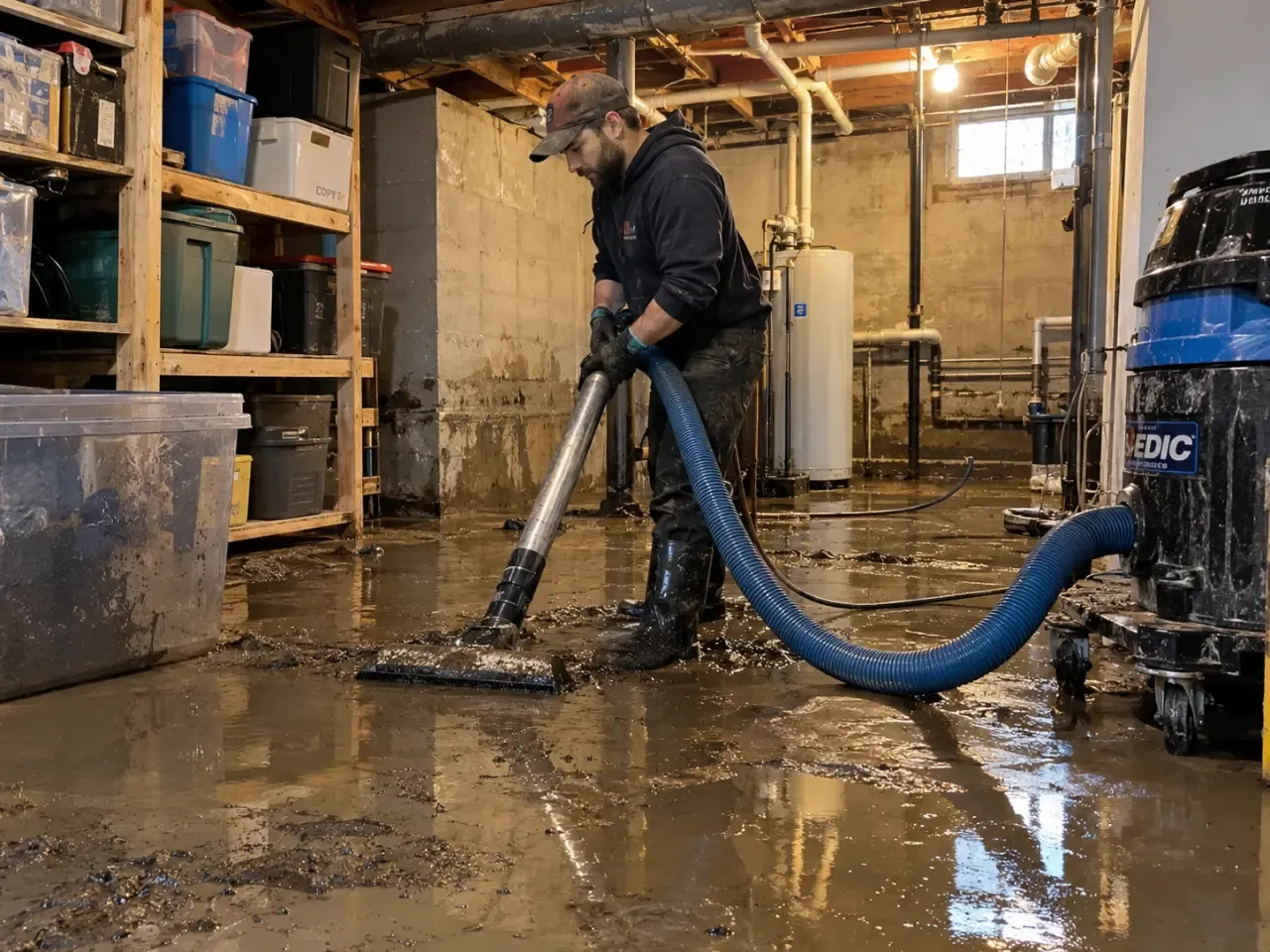
A submersible pump removes deeper standing water from lower levels, pits, and utility areas. We use it before detailed floor extraction when pooled water exceeds what a vacuum can handle.
Moisture meter
Moisture readings help us identify wet materials and compare them with unaffected areas. We use repeat readings to decide whether drying equipment should remain, move, or be adjusted.
Commercial dehumidifier
A commercial dehumidifier pulls moisture from room air after bulk water has been removed. We pair it with appropriate air movement and monitor conditions as the building materials dry.
HEPA air scrubber
Where conditions call for airborne particle control during cleanup, a HEPA air scrubber filters air through HEPA filter media. We choose its placement based on the work area and site conditions.
Use cases
When to Call an Extraction Crew
These examples show how the service framework adapts rather than forcing every call through one repair.
Warehouse Entry Stormwater
A spring storm pushed water beneath a loading door and across an aisle toward boxed inventory. The initial puddle covered about 600 square feet, and water had collected at the low edge of the floor. Staff needed to move stock without spreading water into dry storage. → We removed pooled water in sections, checked the aisle perimeter, and extracted the remaining surface moisture. The affected footprint was documented and drying equipment was placed clear of the loading route. The crew rechecked readings over 3 days and identified which stock zones had remained outside the wet area.
Lower-Level Restroom Backup
A restroom backup sent contaminated water into a lower-level hallway and adjoining storage room. The surface looked manageable, but water had reached floor transitions and the bottoms of stored cartons. Staff needed the area restricted while the source was addressed. → We isolated the affected route, removed wastewater using controlled cleanup procedures, and assessed porous materials for removal. After cleaning and drying setup, follow-up checks over 5 days documented progress in the hallway and storage area. The manager received clear guidance on restricted access and the next repair steps.
Problems we solve
Stop Commercial Water Damage Spreading
Emergency water removal for businesses in Denver addresses more than a wet floor. Water can move under partitions, soak stored goods, and reach electrical or mechanical areas. We find the affected footprint, remove standing water, and focus drying on materials that readings show are wet.
A burst pipe floods a shared office corridor before staff arrive.
We identify the affected corridor and connected rooms, extract pooled water, and check carpet edges and wall bases for moisture. We coordinate equipment placement to preserve a safe route where possible, then monitor readings and explain which sections can reopen while drying continues.
Stormwater collects in a basement storage room and reaches inventory.
We use a submersible pump for deeper pooling, then extract remaining water from the floor and inspect nearby materials. We help you identify wet contents and affected building surfaces, set drying equipment where appropriate, and record the areas that need follow-up.
A sewage backup spreads into a staff restroom and nearby hallway.
We isolate the affected area, remove wastewater using controlled procedures, and assess materials that may require removal. Our crew follows OSHA workplace safety training and EPA-registered disinfectant label compliance, then explains the cleanup and drying steps before the space returns to use.
A roof leak leaves wet drywall and insulation above occupied offices.
We trace the wet footprint from the visible ceiling area and check adjacent surfaces for hidden moisture. After extraction of accessible water, we identify materials needing access or further drying and coordinate the work around desks, electronics, and employee routes.
Pricing process
Commercial Extraction Pricing
$500-$2,500 for a contained room; $5,000-$25,000 or more for extensive or contaminated losses
Affected square footage
A single office or restroom takes less equipment and labor than a warehouse aisle or several connected suites. Larger footprints also need more moisture checks and may require crews to extract in sections while keeping selected routes accessible.
Water category
A clean supply-line leak usually requires a different cleanup approach from stormwater or sewage. Contaminated water can add protective procedures, controlled material removal, and appropriate disinfection, increasing both labor and disposal needs.
Material and floor type
Water in carpet, hardwood, tile transitions, or floor underlayment requires different extraction and drying steps. Hardwood floor cupping or wet drywall may need additional assessment and longer monitoring than a clear puddle on sealed concrete.
Who provides 24/7 commercial water extraction in Denver?
Denver Water Defense provides emergency Commercial Water Extraction in Denver; call (720) 844-2918 to report an active leak or flood. We ask about the water source, affected rooms, and immediate hazards so our crew can prepare for the site. For 24/7 commercial water extraction in Denver CO, keep employees away from standing water near electrical equipment and stop the source only if it is safe. We begin with inspection, bulk removal, and a drying plan.
How quickly can a Denver business get emergency water removal?
We start emergency response by phone immediately, and arrival timing depends on current conditions and location. Once on site, a contained room often takes 2 to 6 hours for initial extraction; a large facility can take longer. We prioritize active water, key access routes, and critical work areas. After extraction, monitored drying commonly continues for 3 to 5 days, depending on materials and moisture readings.
What does commercial water cleanup cost in Denver CO?
A small, contained commercial extraction often costs $500 to $2,500, while larger or contaminated losses can reach $5,000 to $25,000 or more. Typical 2026 pricing depends on water volume, affected square footage, access, water category, and drying duration. We explain upfront pricing before work proceeds. Commercial water removal in Denver, Colorado that includes structural drying, contents handling, or demolition costs more than bulk-water extraction alone.
Can commercial water extraction limit business downtime?
Yes, prompt extraction can reduce downtime by clearing standing water and prioritizing the areas your operation needs first. We can focus on an entrance, sales floor, office corridor, or production zone, then set drying equipment in the affected footprint. Commercial water damage restoration Denver, Colorado may still require repairs after drying, but early removal helps prevent a small leak from spreading into additional rooms or materials.
Related services
Related Water Damage Services
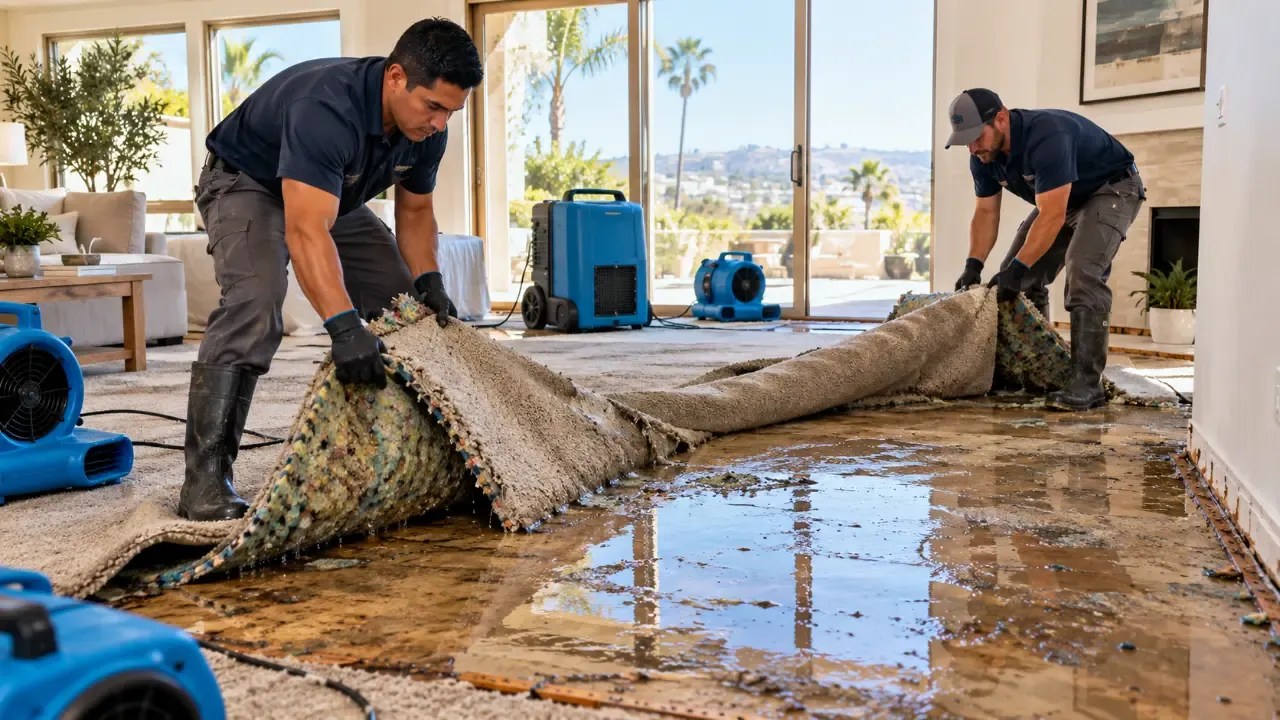
Flood Water Extraction & Cleanup
For stormwater entering a Denver storefront, warehouse, or lower-level suite, flood cleanup pairs bulk extraction with an assessment of affected materials. We remove standing water, identify areas requiring drying, and help you separate immediate cleanup from repairs that follow.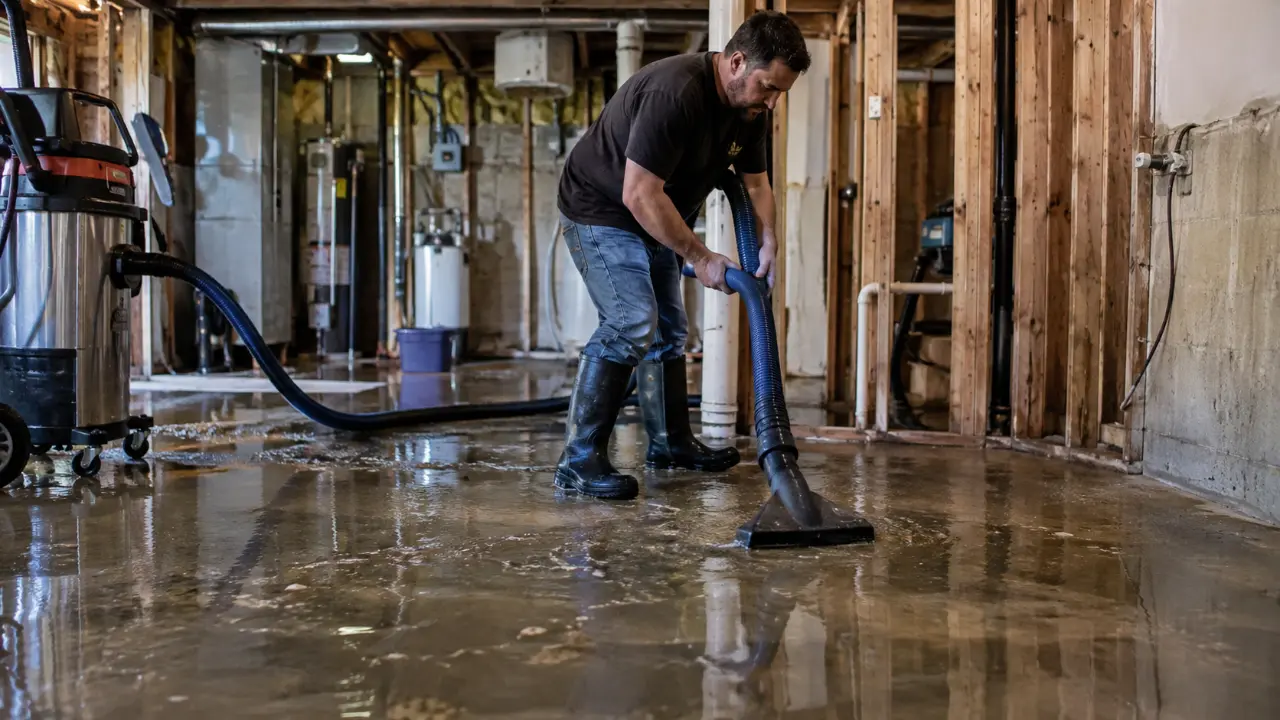
Basement Water Removal
Basement Water Removal addresses pooled water in below-grade offices, storage rooms, and utility areas. We pump out deeper water, inspect floor edges and walls, and check whether moisture has reached stored contents or building materials.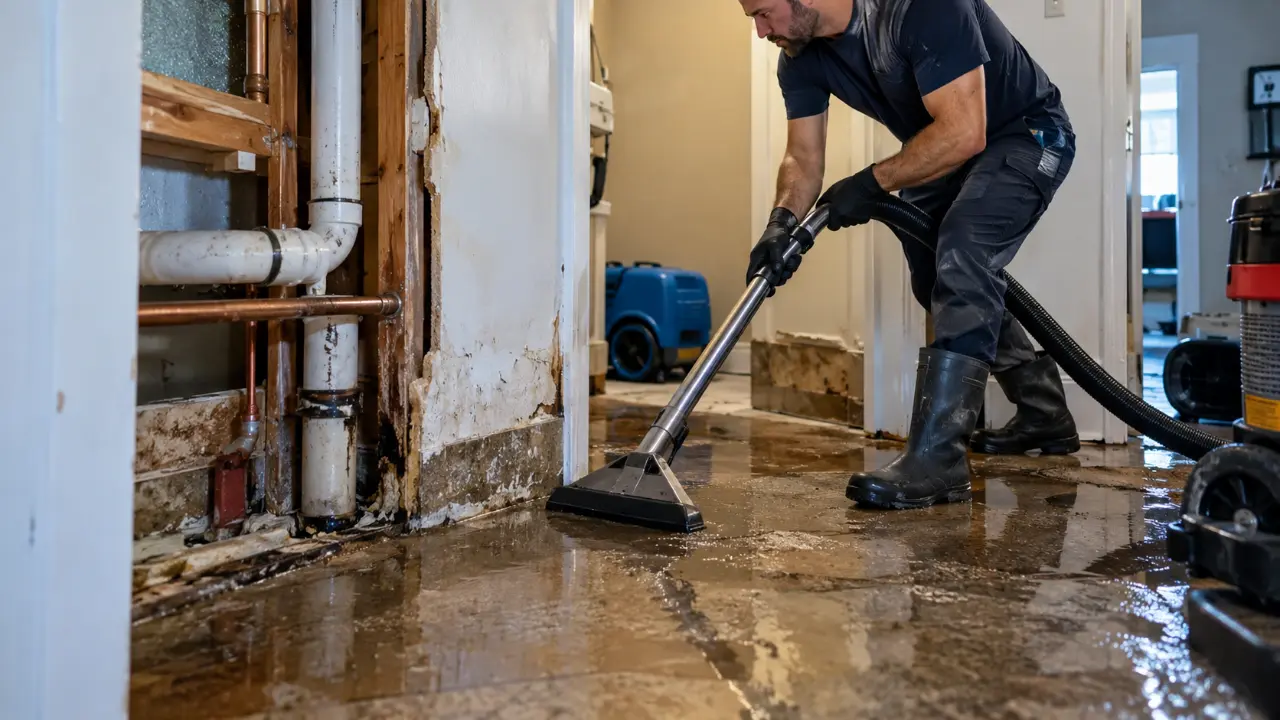
Sewage Backup Cleanup
A sewage backup requires controlled cleanup, appropriate protective procedures, and careful handling of contaminated materials. We remove wastewater, assess affected surfaces, and follow disinfection label requirements before the area moves toward drying and repair.Ready when you are
Get Commercial Water Extraction in Denver
Standing water keeps damaging floors and walls until it is removed. Our crew will help you start with a focused emergency assessment and a clear next step. Call Denver Water Defense at (720) 844-2918 for service in Denver County.
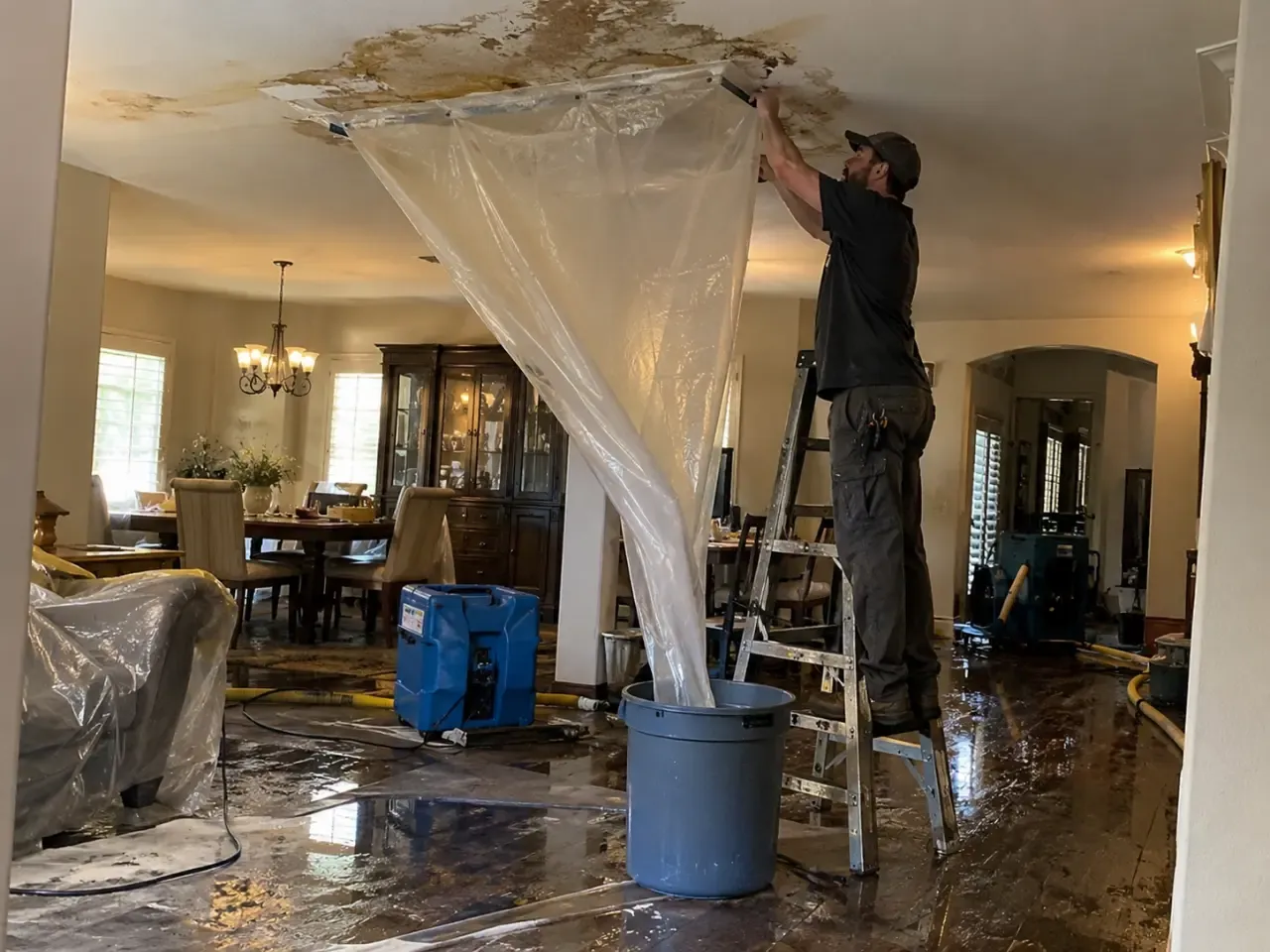
Talk with the local team
Request Commercial Water Extraction
If water is pooling in your home or business, call Denver Water Defense at (720) 844-2918. We take emergency calls 24/7 and respond to water extraction needs across Denver, CO. Tell us where the water started, which rooms are affected, and whether power or sewage is involved so our team can help you prioritize the next step.