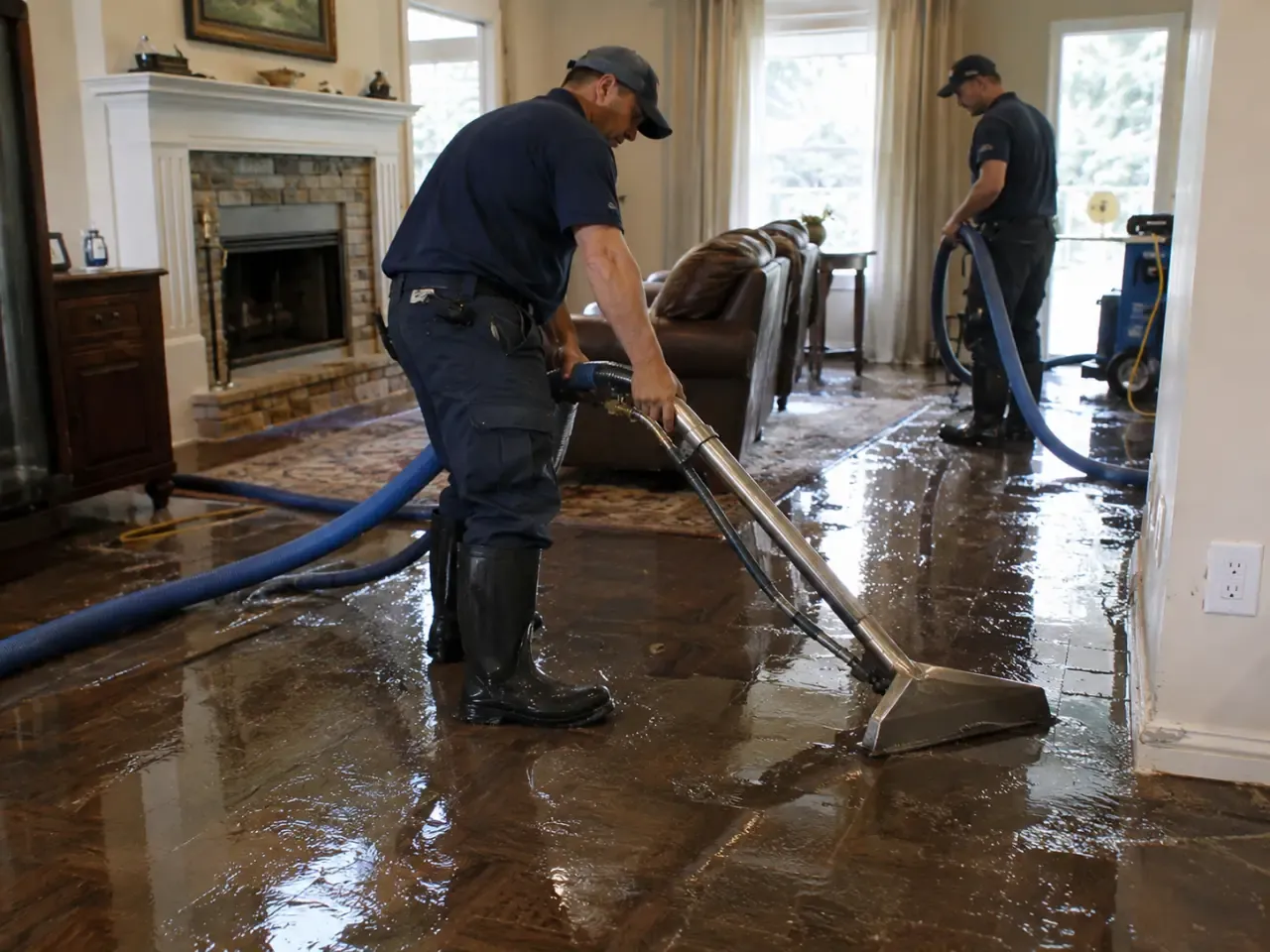
Your local Central Park Water Extraction team
Water Extraction in Central Park After Leaks
Water Extraction in Central Park starts with stopping the spread, removing standing water, and checking what has soaked beneath the visible surface. Denver Water Defense serves homes across 80238, from Northfield and Eastbridge to Conservatory Green. Our Central Park water extraction service addresses appliance leaks, frozen plumbing, and basement intrusion with measured drying instead of guesswork. Call us when a small puddle is growing or a finished room is already saturated.
24/7 dispatchCentral Park ZIP codesResidential & commercial
Local system knowledge
Water Extraction in Central Park, Done Right
Water Extraction in Central Park is a property restoration service that removes unwanted water and begins drying building materials after leaks, flooding, or backups. Central Park's predominantly newer planned residential construction does not make homes immune to supply-line failures, appliance leaks, or water entering below grade. We work across Northfield, Eastbridge, Conservatory Green, Beeler Park, and Willow Park East, adjusting the plan to the room, water source, and affected materials.
Denver Water Defense has served the Denver area for 10 years, since 2016. For water removal in Central Park, our first priorities are safety, source control, and a clear map of wet areas. We use equipment such as a submersible pump and moisture meter to distinguish standing water from moisture held in carpet padding, drywall, or floor underlayment. When a leak occurs near Central Park Station or a home off the greenway corridors, familiar local access helps us reach the property and move equipment efficiently.
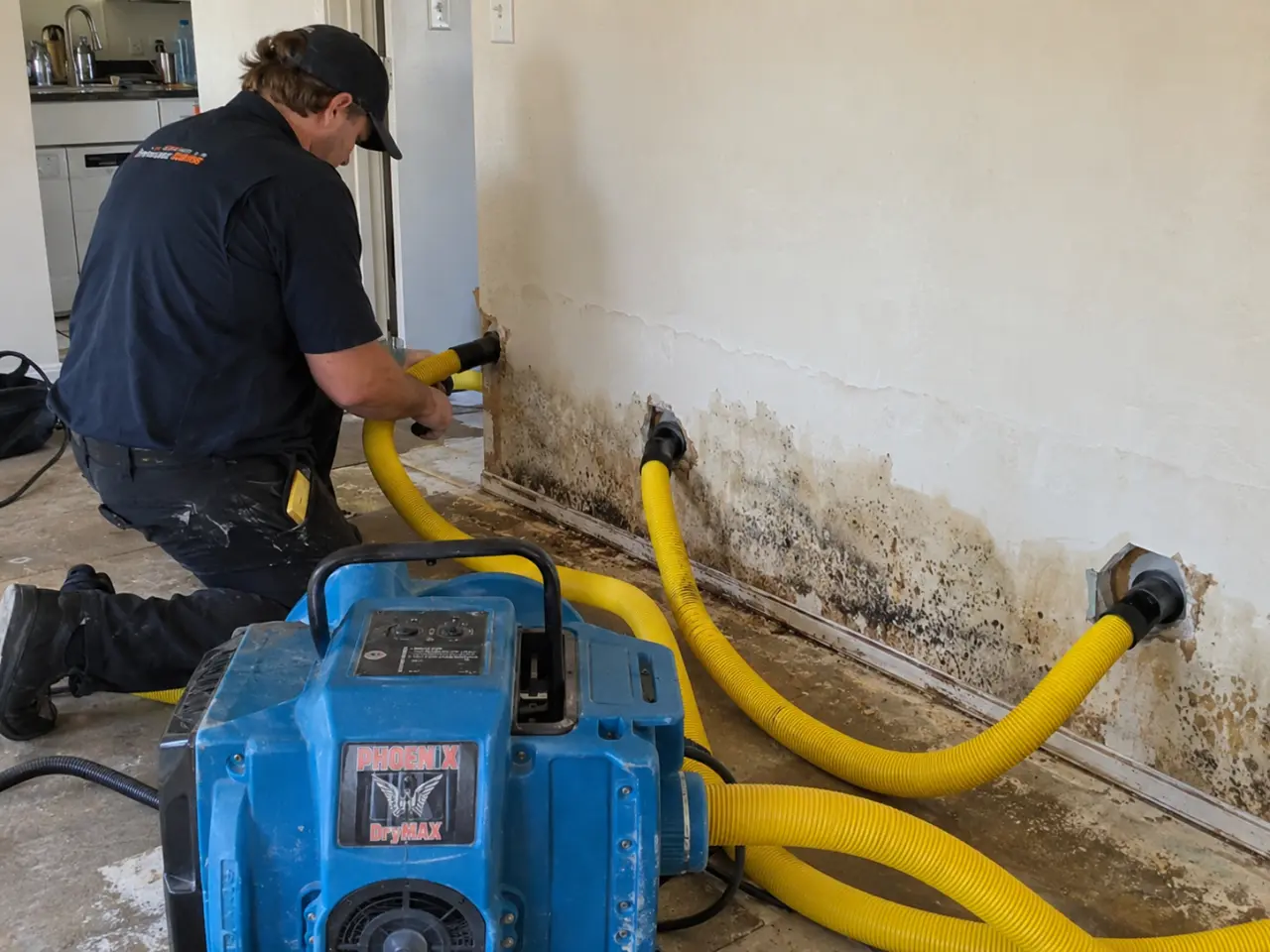
Our technicians document the affected areas, extract water, and set drying equipment according to the materials and readings. We explain what needs attention before work proceeds, then recheck moisture rather than relying on a dry-looking surface. You get a practical route from wet room to verified dry conditions, with updates you can follow.
Explore Central Park services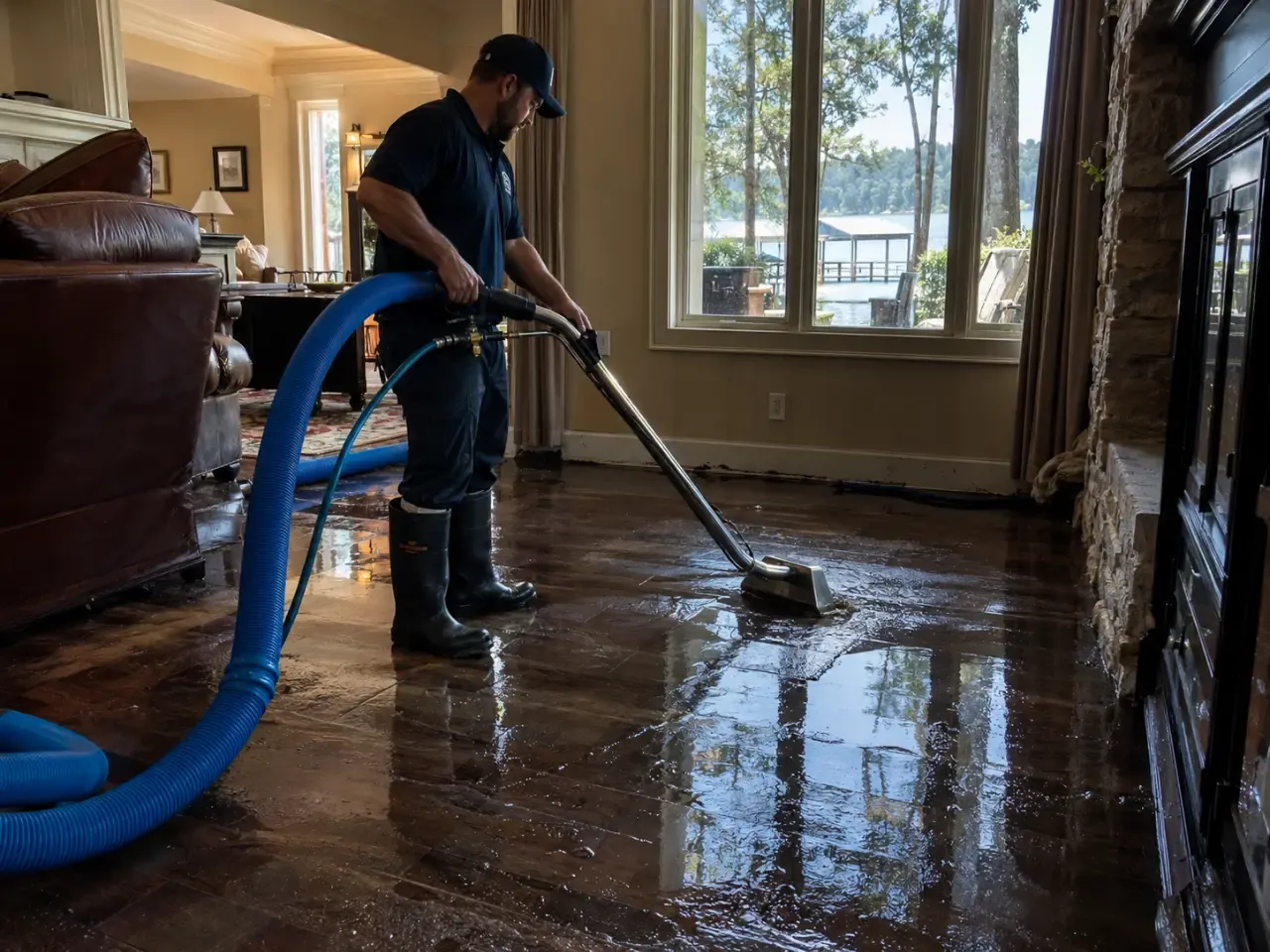
Denver Water DefenseCentral Park homes bring a specific mix of newer construction, finished lower levels, and everyday plumbing systems that still fail. A washing machine overflow or failed refrigerator supply line can send water under cabinets and into adjacent flooring before anyone spots it. In cold Colorado winters, exposed plumbing is vulnerable to freezing, especially where a draft or an unheated space reaches a pipe. We serve this area because a quick response and correct extraction limit how far water travels through a home. Open greenways and drainage corridors also shape local stormwater conditions, so we consider the source and route of water rather than treating every wet basement as the same problem.
Services available in Central Park
Central Park Water Extraction Services
A Central Park water extraction call can begin with a basement puddle, a soaked bedroom carpet, or water spreading from a failed appliance connection. We identify the source, remove standing water, and check neighboring rooms so you are not left drying only the visible spot. If you need 24/7 water extraction in Central Park CO, call us with the address, water source, and whether electricity or sewage is involved. Those details help us prepare the right pump, extraction tools, and protective equipment.
01
Flood Water Extraction & Cleanup
For floodwater entering a Central Park home, we remove standing water, separate salvageable contents, and check affected floors and wall edges. In Northfield and Eastbridge, a finished lower level can hold moisture beyond the visible puddle. We inspect the route of water, extract from accessible surfaces, and set drying equipment based on readings rather than appearance alone.
02Basement Water Removal
We handle basement water removal in Central Park when a drain backs up, a pipe leaks, or water enters at a foundation opening. A submersible pump clears deeper standing water before portable extraction equipment handles shallower areas. We then check carpet, baseboards, and the floor-to-wall edge so concealed moisture is not left behind in a finished room.
03Sewage Backup Cleanup
Sewage backups need controlled removal, protective gear, and separation from clean household areas. We isolate the affected space, extract contaminated water, and remove materials that cannot be safely restored. For Central Park households, we also clean and disinfect according to the water category and product label directions, keeping children and pets away until the work area is ready.
04Structural Drying & Dehumidification
After extraction, we position air movers and a commercial dehumidifier to move moisture out of Central Park walls, floors, and cavities. Moisture readings guide placement and run time; the equipment is adjusted as materials dry. If wet drywall or insulation is holding water, we assess those layers instead of assuming surface airflow will solve the problem.
05Commercial Water Extraction
Local businesses near The Shops at Northfield need clear access routes and a controlled work zone when a leak reaches customer or staff areas. We extract water from affected flooring, identify nearby materials at risk, and coordinate equipment placement around the space's use. The work plan focuses on limiting downtime while documenting readings and drying progress.
06Carpet Water Extraction & Drying
When carpet is saturated in a Central Park home, we extract water from the pile and assess the carpet padding underneath. The padding may hold more moisture than the surface suggests. We check edges, adjoining rooms, and the subfloor, then use controlled airflow and dehumidification to dry materials that are suitable to retain.
More than a service list
How We Handle Central Park Water Jobs
Water Extraction Central Park CO calls begin with the water source and the safest way to enter the affected space. We ask whether the water is clean, contaminated, or still flowing; if there is a sewage backup or an elec
Cold snaps can freeze exposed plumbing in garages and utility spaces
A frozen line can split and release water after the pipe thaws, wetting drywall, flooring, and stored belongings. The leak may continue while the household is asleep or away, so water can travel beyond the first visible room. How we help: We start by confirming the water is shut off and identifying the affected rooms. Extraction removes standing water; moisture readings then help locate damp wall edges and floor transitions. We set drying equipment where it can circulate without trapping water behind stored items, and we recheck the materials as drying progresses.
Newer homes still develop appliance and supply-line leaks
A dishwasher, washer, refrigerator, or fixture connection can leak beneath cabinets or across a finished floor. New construction does not prevent water from entering seams, carpet padding, or the subfloor, where the damage may be hidden from view. How we help: We trace the wet path outward from the appliance, check adjoining materials, and extract water from exposed surfaces. A moisture meter helps identify whether flooring or wall edges remain wet. We explain which areas need airflow and dehumidification, then monitor readings instead of stopping when the floor looks dry.
Greenways and drainage corridors influence stormwater movement
Open greenways and drainage corridors shape how stormwater moves through the area, but an individual home's exposure depends on its grading, drainage, and entry points. Water that reaches a lower level can spread under stored items and along floor edges. How we help: We identify where water entered and distinguish stormwater from a plumbing leak before selecting cleanup steps. We pump deeper water, extract remaining surface water, and inspect affected floor and wall edges. If the source is still active, we focus on immediate safety and extraction while you arrange the needed source repair.
Early warning signs
When to Call for Water Extraction
A small visible symptom can point to a bigger pattern.
Carpet squelches under each step
Carpet squelches under each step
Hardwood boards begin to cup
Hardwood boards begin to cup
Water collects beside basement walls
Water collects beside basement walls
A ceiling stain grows after a leak
A ceiling stain grows after a leak
Clear starting points
Central Park Water Extraction Pricing
Typical 2026 pricing in Central Park depends on how much water is present, how many rooms are affected, and whether materials need extended drying or removal. A small, accessible extraction job may fall around $250-$700; a multi-room loss with equipment and repeat moisture checks can run $1,000-$3,500 or more. Sewage contamination, deep basement water, and concealed moisture change the labor and safety requirements. For water removal in Central Park, we assess the source and affected footprint before explaining the price. One upfront price is provided before work proceeds.
Water volume and access
A shallow spill in one room takes less extraction time than several inches of basement water. Stairs, narrow entries, and the distance from a vehicle to the wet area can also affect setup time. We match pump and extraction equipment to the volume and access conditions.
Affected materials and rooms
Water that reaches carpet padding, hardwood, drywall, or insulation requires more inspection than a hard surface that can be dried quickly. Multiple connected rooms increase equipment needs and monitoring. We check material conditions so the work reflects what is wet rather than an assumed room count.
Contamination and drying duration
Sewage or other contaminated water requires protective procedures and careful separation of affected areas. A loss that needs several days of drying also requires equipment checks and moisture monitoring. Those extra steps affect labor and equipment time compared with straightforward clean-water extraction.
We know the route
Local Landmarks for Clear Directions
Landmarks help us confirm the right part of Central Park before we unload equipment, especially when several streets look similar on a first visit. Tell us whether you are closer to Central Park Station, Stanley Marketplace, or Westerly Creek, then give your street address and preferred entrance. We use these names for orientation only; your exact property location determines the route, parking, and equipment carry distance.
Central Park Station
Central Park Station is a useful transit-oriented reference for locating nearby streets and confirming which side of the community an address sits on. Share the station as a general direction, along with your street address, for accurate routing.
Stanley Marketplace
Stanley Marketplace is a recognizable local point of orientation in the Central Park area. It can help distinguish a general direction when you describe your location, but we use your actual address to plan arrival and equipment access.
Westerly Creek
Westerly Creek provides a familiar geographic reference through the area. Mentioning it can help clarify the direction of a Central Park address, while the property entrance and street details remain essential for reaching the site.
Central Park service coverage
Is your ZIP on the route?
These are our most frequently served ZIP codes. Nearby areas may also qualify — call if you do not see yours.
Popular neighborhoods: Northfield · Eastbridge · Conservatory Green · Beeler Park
Check my address →
1234
Primary Central Park response zoneSame-day response depends on current call volume, technician availability, and required equipment.
Outside Central Park?
Denver-Area Water Cleanup Coverage
Capitol Hill
Capitol Hill is another Denver service area, south and west of Central Park; the two neighborhoods share the same local response network.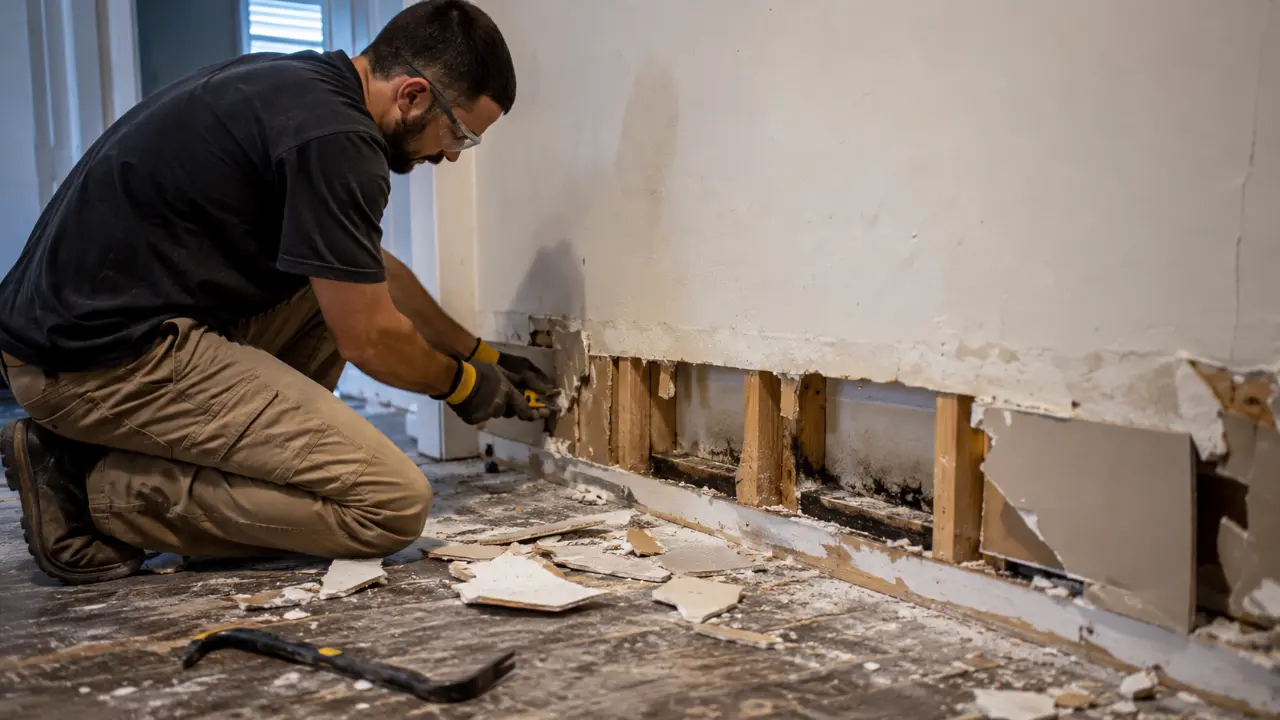
Washington Park
Washington Park lies south of Central Park within Denver, with separate neighborhood access and a shared company service region.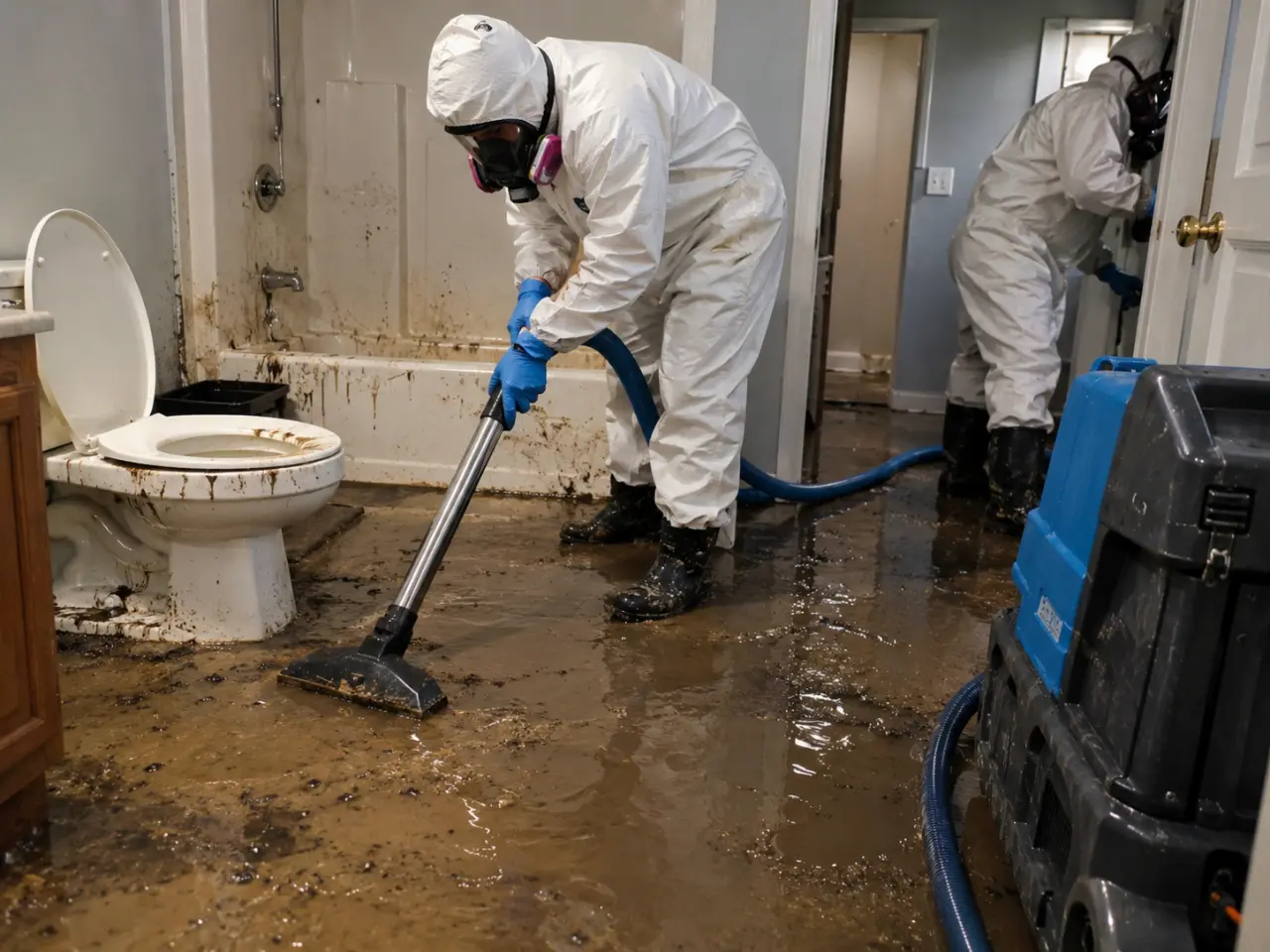
Highland
Highland is a Denver neighborhood west of Central Park, served through the same metro-area water cleanup operation.Central Park Water Extraction FAQ
Water Extraction in Central Park FAQs
A real dispatcher is available if your question is not answered here.
Call (720) 844-2918Who provides emergency water extraction in Central Park?
Denver Water Defense provides emergency water extraction in Central Park, with 24/7 calls for residential and commercial water losses. Tell us your address, the water source, and whether it is still entering or involves sewage. For water removal near me in Central Park, those details help us prepare suitable extraction equipment and safety measures. We assess the affected rooms, remove standing water, and check materials that may hold moisture beneath the surface.
How much does water removal cost in Central Park, Denver?
Small, accessible extraction jobs often cost about $250-$700, while multi-room losses with extended drying can range from $1,000-$3,500 or more in 2026. The price depends on water volume, affected materials, contamination, access, and monitoring time. A sewage backup or deep basement loss requires additional handling. We assess the property and explain the price before work proceeds, so you can see how the identified conditions affect the job.
Is 24/7 water cleanup available near Central Park?
Yes, Denver Water Defense takes water cleanup calls 24/7 for Central Park, including nights and weekends. Call immediately if water is rising, a pipe is still leaking, or sewage has entered a room. For same-day emergency water cleanup in Central Park, provide the address and describe the water source, affected level, and any electrical hazards. We use those details to guide dispatch preparation and the first safety steps.
How quickly can a water extraction company reach Central Park?
Arrival time depends on current call volume, road conditions, and your exact Central Park address; dispatch confirms timing when you call. Give us your street address, nearest landmark, and whether water is still flowing. We serve ZIP code 80238 and nearby Denver areas. While help is being arranged, shut off the source only if safe and keep people away from wet electrical equipment.
What should I do after water damage in Central Park?
Stop the water at the shutoff if you can do so safely, avoid electrical hazards, and call Denver Water Defense. Keep children and pets out of sewage or unknown water, and do not use a household vacuum on standing water. Take photos from a safe location and tell us what rooms are affected. We will guide the first steps, extract water, and check materials for hidden moisture.
Central Park dispatch is ready
Call 24/7 for Water Extraction Services
Standing water keeps spreading into flooring and walls until it is removed. Denver Water Defense follows IICRC water-damage restoration practices and helps you take the next practical step. Call (720) 844-2918 for emergency water extraction or to arrange a same-day assessment.
Talk with the local team
Request Central Park service
If water is pooling in your home or business, call Denver Water Defense at (720) 844-2918. We take emergency calls 24/7 and respond to water extraction needs across Denver, CO. Tell us where the water started, which rooms are affected, and whether power or sewage is involved so our team can help you prioritize the next step.