Fast extraction and controlled drying for soaked Denver carpets
Carpet Water Extraction & Drying in Denver
Carpet Water Extraction & Drying in Denver helps homeowners, renters, and property managers limit damage after leaks, overflows, or basement flooding. Our crew removes standing water, checks carpet padding and nearby flooring, then sets drying equipment to reduce lingering moisture. For carpet water removal in Denver, Colorado, call Denver Water Defense at (720) 844-2918 when a wet carpet needs prompt attention.
Live dispatcherUpfront optionsBacked workmanship
What's included
What Carpet Drying Service Includes
Carpet water service covers inspection, water extraction, moisture checks, and drying equipment where needed. We assess the water source and affected materials before recommending any removal or additional cleanup. Work beyond carpet drying, such as contaminated-material disposal or repairs to a leaking pipe, requires the appropriate related service. We explain the immediate plan and price before work starts.
Water Source And Moisture Check
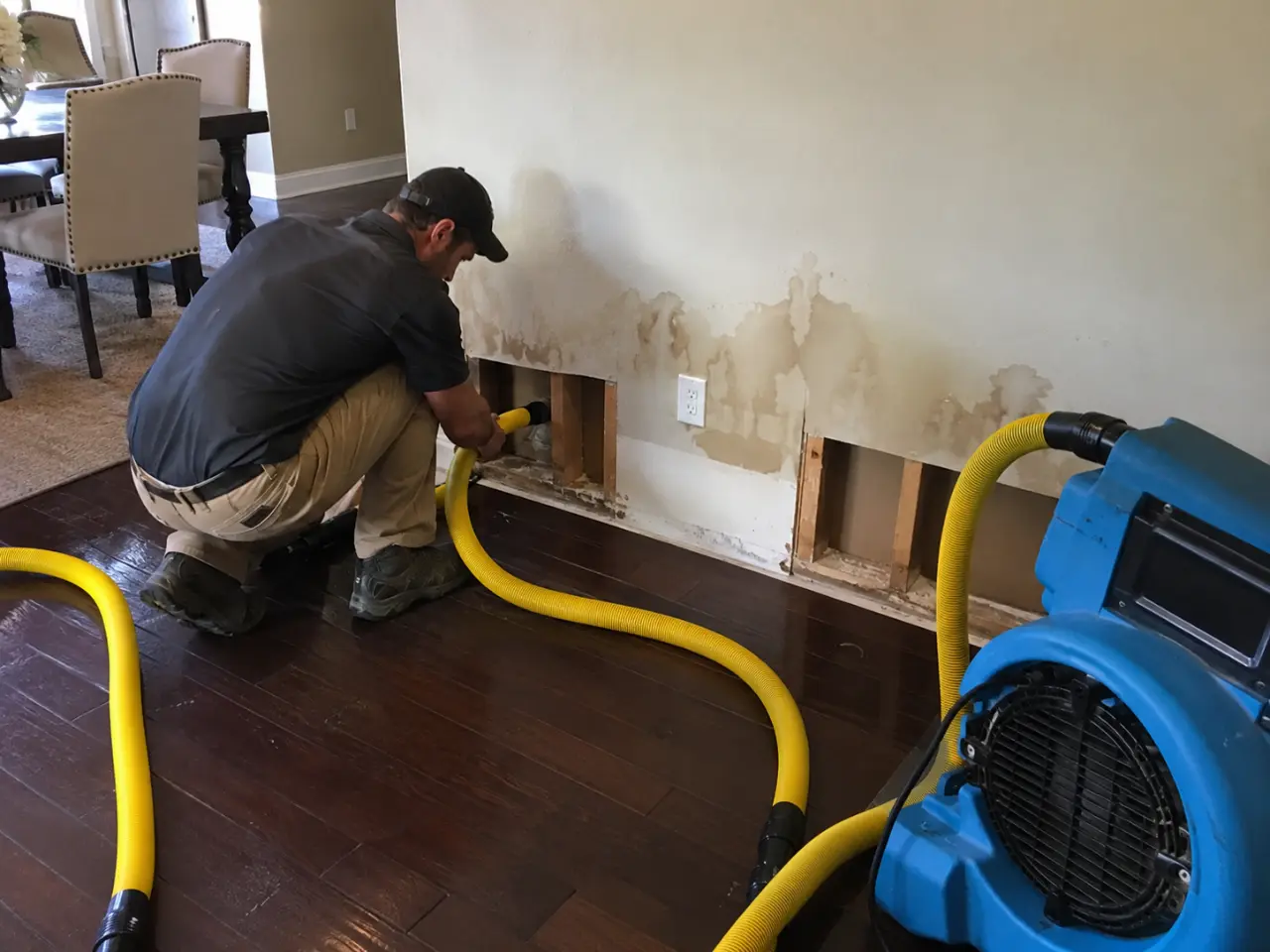
We identify the reported source, inspect the wet carpet and surrounding surfaces, and use moisture readings to locate affected areas. You receive a practical explanation of what is wet and what needs checking next, including accessible flooring or wall edges.
Standing Water Extraction
We remove pooled water first, then make controlled extraction passes over saturated carpet. Equipment selection depends on water volume, room access, and floor level. The purpose is to pull out bulk moisture before setting air movement and dehumidification.
Drying Equipment Setup
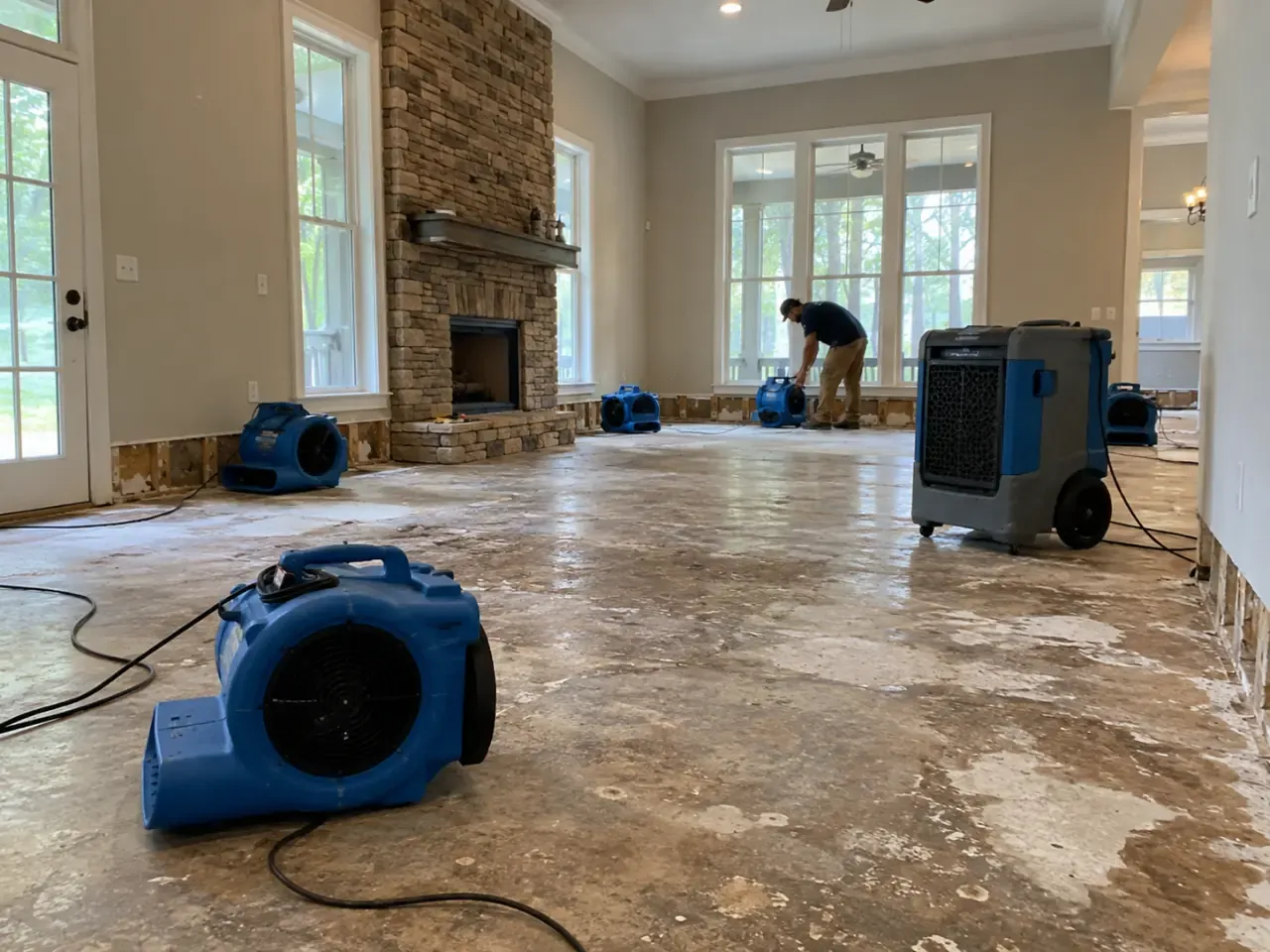
When readings show that materials remain wet, we place air movers and a dehumidifier to support evaporation and moisture collection. We explain equipment placement, expected operating noise, and how to keep a safe path through the room while drying continues.
Follow-Up Moisture Readings
We check drying progress with repeat measurements and adjust equipment when materials need more time. You can see whether the readings are improving and understand why equipment remains in place. A dry surface alone does not confirm that padding or subflooring is dry.
Material Condition Guidance
We assess whether carpet, backing, and padding are suitable for drying based on water source and condition. If contamination or damage changes the recommendation, we explain the reason and identify the next relevant cleanup or removal step.
Service overview
Carpet Water Extraction & Drying in Denver
Carpet Water Extraction & Drying in Denver is a water-damage restoration service that removes water from carpet and padding, then dries affected materials to reduce the risk of further damage. We inspect the wet area, extract standing water with suitable equipment, and measure moisture in the carpet, floor underlayment, and adjacent building materials. The goal is to stop water from spreading and establish a measurable drying plan. Results depend on water category, saturation depth, and how long materials stayed wet; we explain what can be dried and what needs removal.
Denver homes face wet carpet after frozen pipe leaks, washing machine overflows, roof leaks, and basement flooding during heavy precipitation or rapid snowmelt. Older properties can have hardwood flooring or plaster near saturated carpet, so checking the edges matters as much as treating the visible stain. Our Denver carpet water extraction process identifies the source and the affected layers before equipment is placed. If you are asking
can water-damaged carpet be dried in Denver CO?
the answer depends on water cleanliness
material condition
and how quickly extraction begins.
How we workWe verify the cause, compare realistic options, and confirm the repair before we leave.
The service timeline
What To Expect During Service
The process flexes to the condition, but these checkpoints keep decisions clear.
Inspect The Area
We locate the water source, identify how far the wet area extends, and ask when the carpet became saturated. Our technician checks carpet, accessible padding edges, baseboards, and nearby flooring with a moisture meter. This first inspection usually takes 20 to 45 minutes for a room-scale loss and establishes which areas need extraction or further investigation.
Remove Standing Water
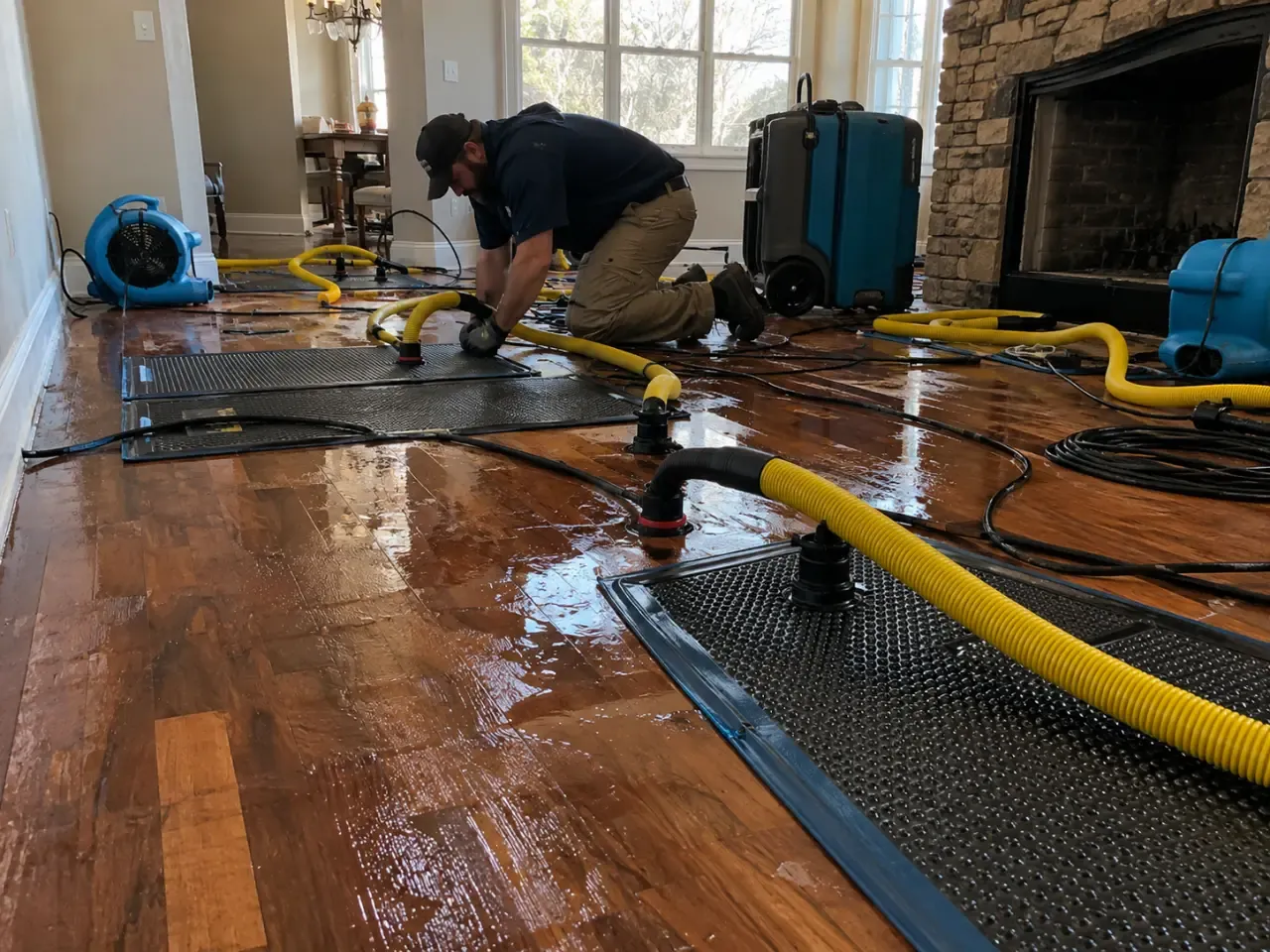
If water is pooled, we use a submersible pump or wet/dry vacuum before making extraction passes over the carpet. For larger areas, a truck-mounted water extractor can remove substantial moisture; a portable extraction unit is useful in tighter spaces. You will see the standing water removed before we move into detailed drying.
Extract Carpet And Padding
We work across the saturated carpet in deliberate, overlapping passes, checking the amount of water pulled and the condition of the backing. Where the padding holds water or contamination changes the plan, we explain whether it should be lifted or removed. A small room can take about 30 to 90 minutes to extract, depending on saturation.
Set Drying Equipment
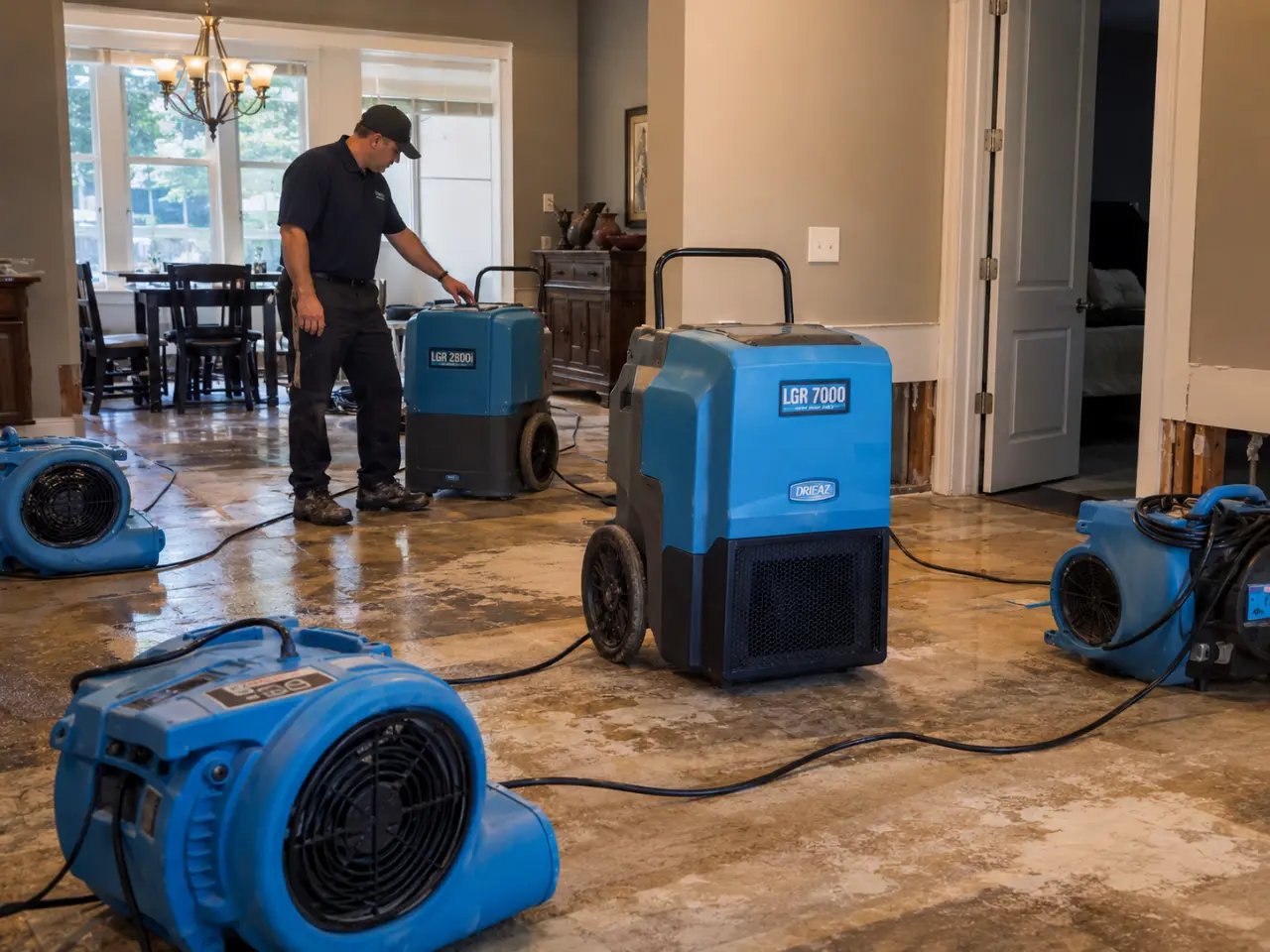
We place air movers to circulate air across wet surfaces and a commercial dehumidifier to collect moisture from the room. Equipment placement depends on room shape, furnishings, and the materials affected. We show you safe walkways and explain the expected sound and operation; initial drying commonly takes 24 to 72 hours, with readings guiding adjustments.
Monitor And Confirm
We return to take follow-up moisture readings and adjust equipment when measurements show that drying is still needed. Drying duration varies with carpet type, padding, subfloor, and indoor conditions. Before closing the job, we review the readings with you, explain any remaining restoration needs, and leave a clear record of the work completed.
Tools & methods
Extraction Tools And Drying Methods
Purpose-built equipment, used by trained technicians, so the job is done accurately the first time.
Truck-mounted water extractor
We use this high-capacity extraction setup for accessible, larger carpeted areas where substantial water needs to be pulled from the fibers. Multiple controlled passes remove bulk moisture before drying equipment is placed.
Portable extraction unit
A portable extraction unit reaches upper floors, smaller rooms, and locations where truck-mounted access is limited. We select it when its size and access advantages suit the layout and amount of water.
Moisture meter
We use a moisture meter to compare readings in carpet edges and accessible building materials during inspection and follow-up. Measurements help identify concealed wet areas and track whether drying is progressing.
Air mover and commercial dehumidifier
Air movers direct airflow across wet surfaces while the commercial dehumidifier collects moisture from the room. Together, they support controlled drying after extraction, with placement adjusted to the room and measured conditions.
Submersible pump
When water is standing deeper than an extractor can handle efficiently, a submersible pump removes pooled water first. That clears the area for detailed carpet extraction and inspection.
Use cases
When Carpet Extraction Is Needed
These examples show how the service framework adapts rather than forcing every call through one repair.
Basement Carpet After Rain
After heavy rain, water collected near a basement wall and soaked carpet in one corner. The visible puddle was small, but the padding stayed wet and the carpet edge felt cool. The family was concerned that the moisture had reached the wall and flooring underneath. → We extracted the pooled water and wet carpet, then checked the perimeter and accessible floor area with a moisture meter. Drying equipment operated for about 48 hours, with follow-up readings used to check progress. The customer received a clear explanation of the areas that had dried and the source-related next steps.
Supply-Line Leak In A Bedroom
A supply-line leak soaked a bedroom carpet before the water was shut off. The wet area spread under a bed and toward a closet, making it difficult to see how far the water had traveled. The homeowner worried that the closet threshold and nearby flooring were also affected. → We moved access into the affected area, extracted the carpet in overlapping passes, and checked the closet threshold and surrounding floor. Air movers and dehumidification supported drying, with readings taken again the following day. The inspection clarified which materials needed continued drying and which were unaffected.
Problems we solve
Solve Wet Carpet Before Damage Spreads
Wet carpet can hide water in padding and along the room perimeter, where it is easy to miss during a quick cleanup. Denver properties also have varied flooring and wall materials that react differently to moisture. Our inspection connects the visible wet area to the materials beneath and beside it, then sets a response based on actual conditions.
A burst pipe leaves carpet soaked across multiple rooms
We start after the water source is controlled, map the affected rooms, and extract standing water and saturated carpet. Our team checks boundaries and takes moisture readings so you know whether the loss is contained or needs structural drying. For professional carpet cleanup after a burst pipe Denver, call with the number of affected rooms and the time of the leak.
Basement carpet stays damp after pooled water is removed
We extract moisture from the carpet, assess whether padding can remain, and place drying equipment based on readings. If water is still entering or the loss reaches walls, we connect the carpet work with basement water removal and structural drying. Follow-up checks show whether the affected layers are responding.
A clean-looking carpet covers wet padding and flooring
We inspect more than the visible pile and use a moisture meter at affected boundaries and accessible flooring. Where readings remain elevated, we adjust airflow or recommend access to the layer holding water. That measured approach helps you avoid ending the response while concealed materials are still wet.
Water from a drain backup contaminates carpet and padding
We identify the water category before selecting cleanup steps and keep affected areas separate from clean spaces. Where sewage has contacted porous carpet or padding, removal and appropriate sanitation may be required. We explain the connection to sewage backup cleanup rather than treating a contaminated loss like a clean leak.
Pricing process
Carpet Extraction Pricing
$250-$850 for many room-scale jobs; larger or contaminated losses are priced by scope
Water volume and area
A small spill that affects one room takes less extraction time than water spread across several rooms. The crew measures the affected area and removes standing water before determining how many passes and how much drying equipment the loss requires.
Water source and cleanliness
Clean water from a supply line differs from water involving a drain backup or other contamination. Contaminated losses require different handling and may require removing carpet or padding rather than drying it. That changes labor, cleanup, and disposal needs.
Padding and subfloor condition
If water has saturated padding or reached the subfloor, the work can require additional access, checks, or material removal. We use readings and material condition to determine the appropriate response instead of assuming every carpet loss needs the same treatment.
How quickly should wet carpet be extracted in Denver?
Extract wet carpet as soon as possible, ideally within 24 hours, to limit water movement into padding and subflooring. The exact urgency depends on how much water entered and whether it is clean or contaminated. We inspect the source, take moisture readings, and start removal promptly. For 24/7 carpet water extraction in Denver CO, call (720) 844-2918 and describe the leak, affected rooms, and approximate start time.
How much does carpet water removal cost in Denver CO?
A straightforward room-scale extraction often costs about $250 to $850 in 2026, while larger or contaminated losses can exceed that range. Price depends on water volume, room count, access, padding removal, and drying equipment duration. We identify the work needed and provide upfront pricing before proceeding. Carpet water removal in Denver, Colorado that also involves walls or multiple rooms requires a broader assessment than a small clean-water spill.
Can a water-damaged carpet be saved in Denver?
Yes, clean-water carpet can often be dried if extraction begins promptly and the carpet and backing remain sound. Contaminated water, prolonged saturation, delamination, or damaged padding can make removal the safer choice. We inspect the water source, carpet condition, and affected layers before recommending a path. A moisture meter helps confirm whether the subfloor is drying rather than simply appearing dry at the surface.
Does carpet water extraction include drying in Denver, Colorado?
Yes, carpet water extraction service Denver includes moisture checks and drying equipment when the affected materials need continued drying. Extraction removes bulk water; air movers and a dehumidifier then support evaporation and moisture collection. We monitor readings and adjust equipment rather than promising a fixed finish time. Many jobs need 24 to 72 hours of active drying, depending on saturation, carpet construction, and the condition of the floor below.
Related services
Related Water Damage Services
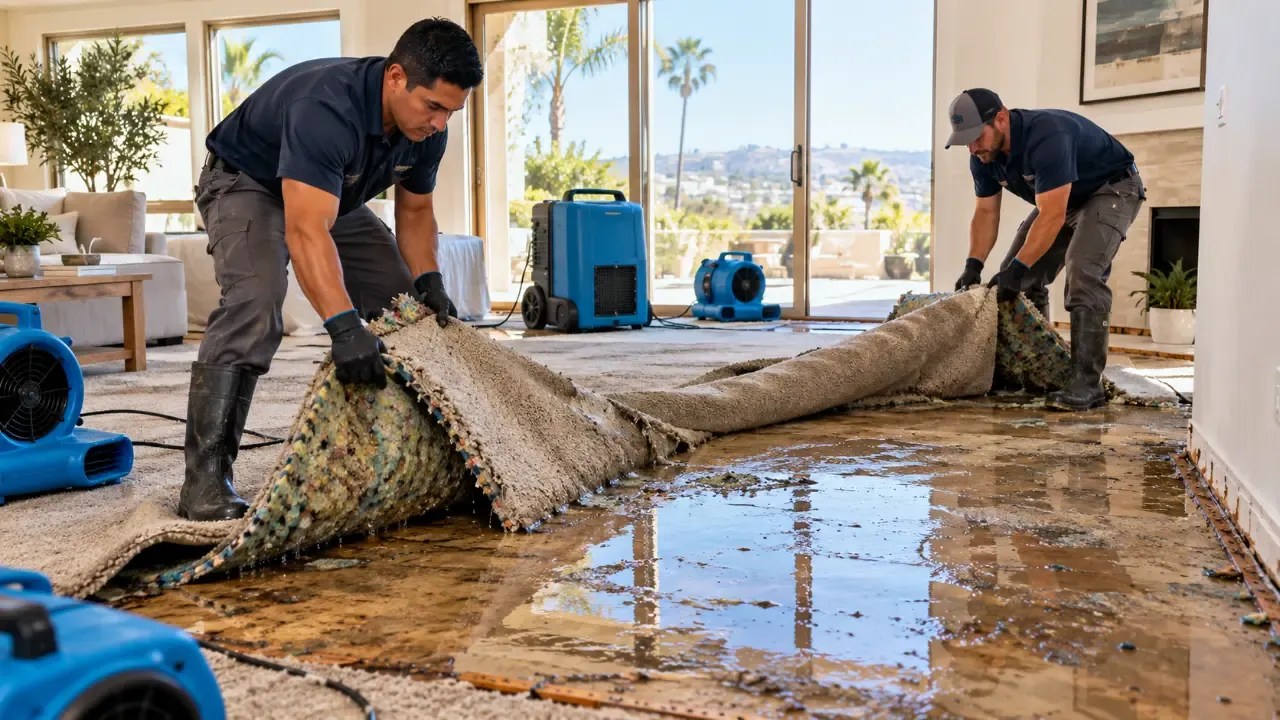
Flood Water Extraction & Cleanup
When floodwater covers carpet and hard surfaces, extraction must address the whole affected area, not only the soft flooring. We remove standing water, assess contamination, and coordinate carpet drying with cleanup of adjoining materials so Denver properties can move from emergency response to a defined restoration plan.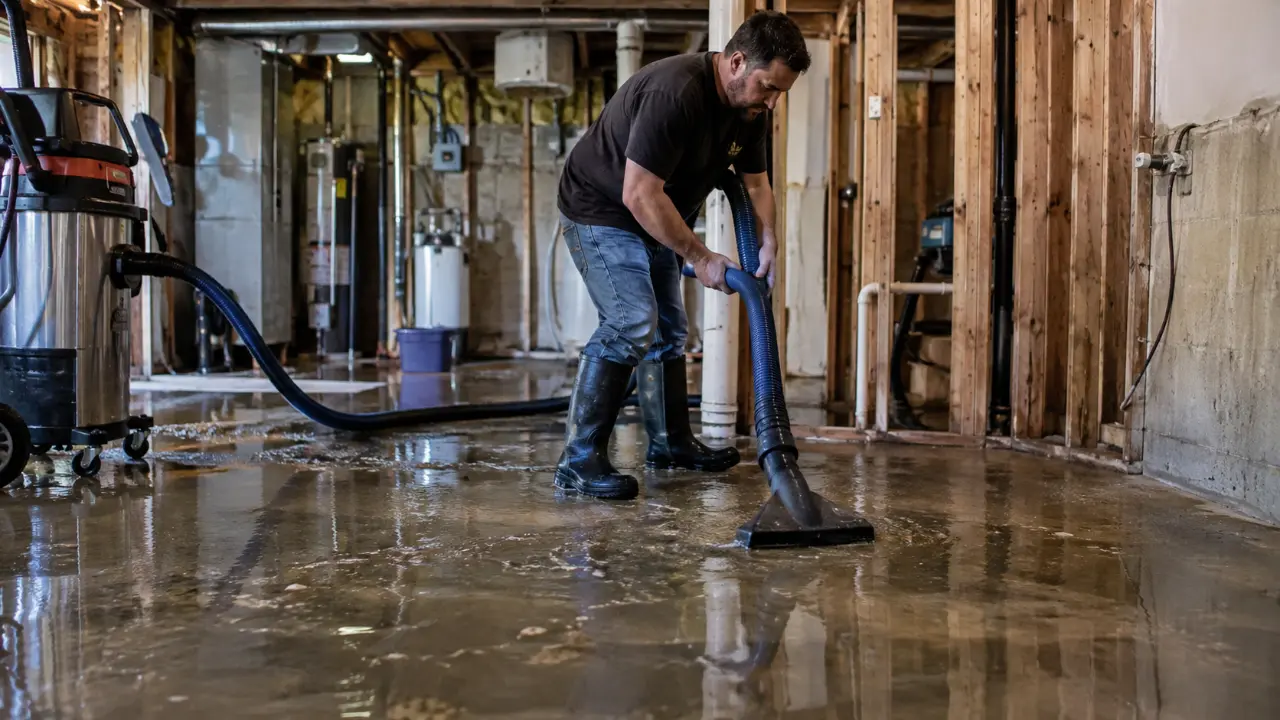
Basement Water Removal
Basement water removal addresses the source and pooled water that often saturate lower-level carpet. We can pump standing water, extract carpet, and check nearby walls and floor edges. This combined approach is useful after heavy rainfall, a failed appliance, or water entering around a below-grade area.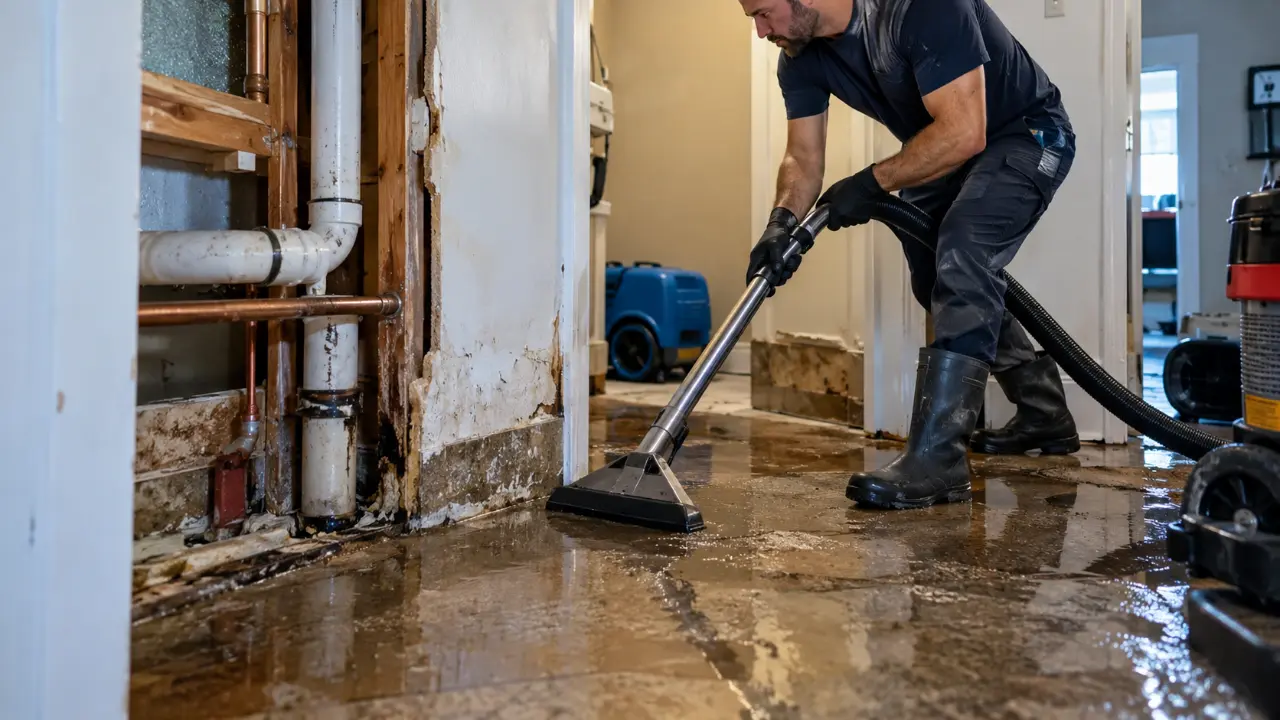
Sewage Backup Cleanup
A sewage backup changes the response because contaminated water can make carpet and padding unsuitable for salvage. We isolate the affected area, remove contaminated materials as needed, and clean surfaces using appropriate procedures. Carpet extraction alone is not the right remedy for a sewage loss.Ready when you are
Stop Carpet Water Damage Now
Wet carpet needs prompt extraction before water travels deeper into padding and flooring. Call Denver Water Defense at (720) 844-2918 and tell us what happened, where the carpet is wet, and when the water appeared. Our IICRC-trained technicians will guide the next step.
Talk with the local team
Request Carpet Water Extraction & Drying
If water is pooling in your home or business, call Denver Water Defense at (720) 844-2918. We take emergency calls 24/7 and respond to water extraction needs across Denver, CO. Tell us where the water started, which rooms are affected, and whether power or sewage is involved so our team can help you prioritize the next step.