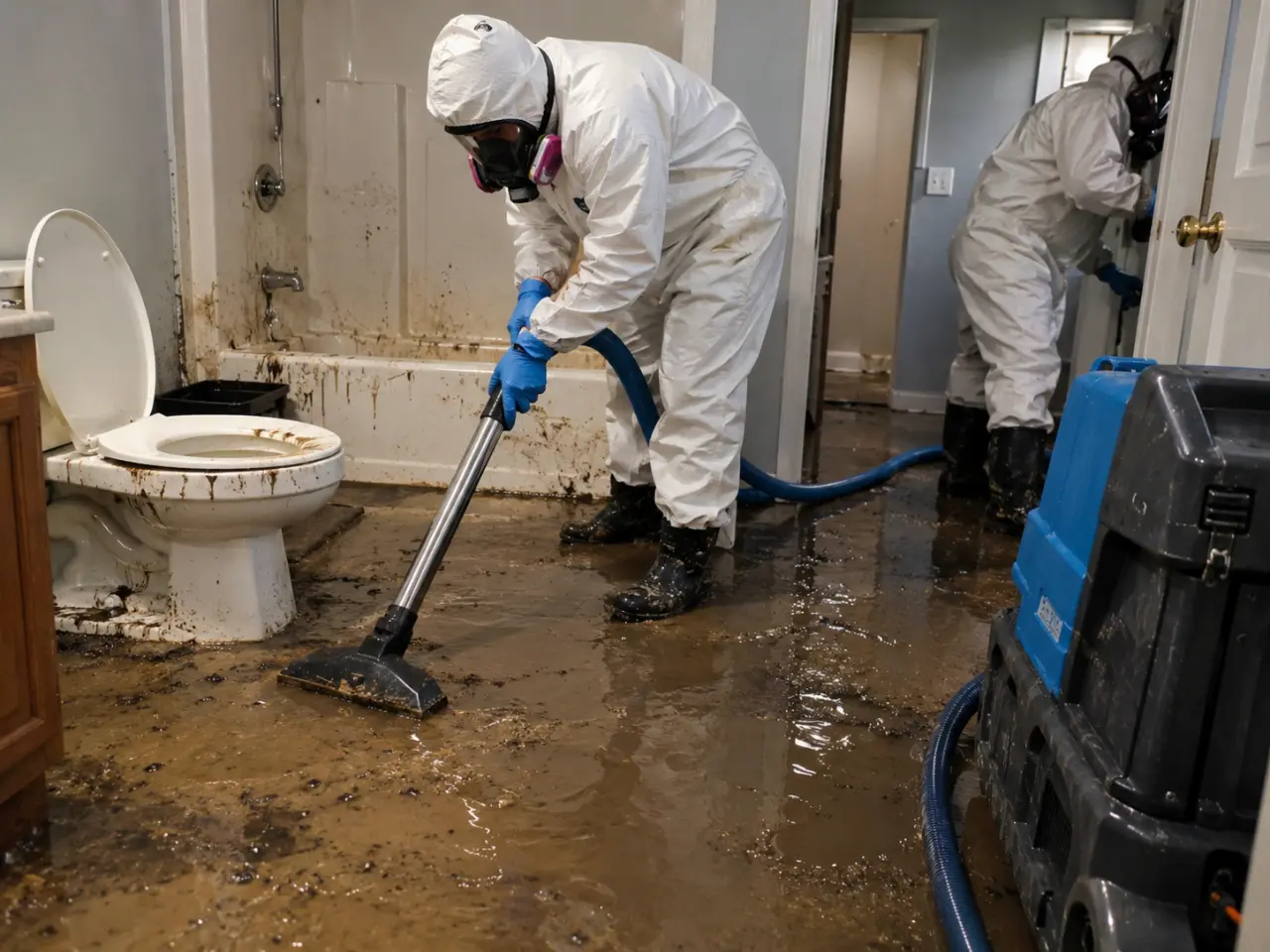
Your local Capitol Hill Water Extraction team
Water Extraction in Capitol Hill for Older Homes
Water Extraction in Capitol Hill means getting standing water out quickly and drying the materials it reached, before damage spreads through an apartment or historic home. Denver Water Defense serves Capitol Hill, North Capitol Hill, and nearby Uptown, including properties in ZIP codes 80203 and 80218. If a pipe breaks above your unit or water reaches a basement floor, our crew locates the source, extracts water, and checks concealed areas rather than stopping at the visible puddle.
24/7 dispatchCapitol Hill ZIP codesResidential & commercial
Local system knowledge
Water Extraction in Capitol Hill, Done Right
Water Extraction in Capitol Hill is emergency water removal and structural drying that limits damage after leaks, flooding, or plumbing failures. Denver Water Defense works across Capitol Hill, Cheesman Park, Civic Center, and the Golden Triangle, where many older apartment buildings and historic homes have layered finishes and aging plumbing. Those materials can hide water behind plaster, beneath hardwood flooring, or under carpet padding. We use a moisture meter to map wet areas and select equipment for the building, not just the visible spill. For a Capitol Hill water extraction service, the first priorities are stopping the source, protecting occupants, and removing water safely. Our technicians document readings as drying proceeds, so you can see whether subflooring and wall cavities are returning toward dry conditions. We serve Denver County and surrounding Denver neighborhoods, including homes near the Colorado State Capitol and Molly Brown House Museum. From a single-room washing machine overflow to a multi-unit leak, we explain the work plainly and get the extraction process moving.
Explore Capitol Hill services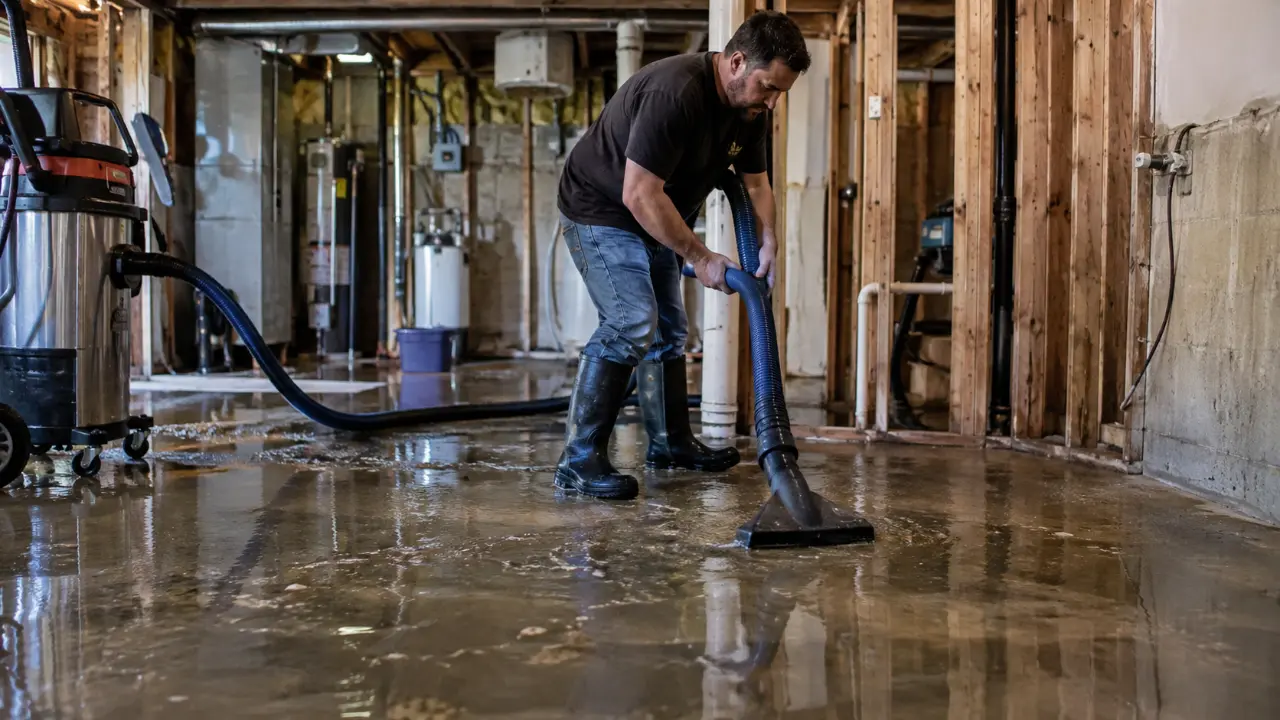
Denver Water DefenseCapitol Hill has compact residential blocks, a mix of apartment buildings and historic houses, and busy streets where emergency access takes planning. We serve the area because leaks here often affect more than one room or unit: water can travel through ceilings, shared walls, and floor assemblies before anyone sees a stain. Older plumbing and building materials can complicate leak investigation, so our work begins with tracing the wet path rather than assuming the source is directly above the damage. We also respond to cold-weather calls when frozen pipe leaks open in exterior walls or unheated spaces. Whether you live near Cheesman Park or commute through Civic Center, we bring extraction equipment sized for the access and affected area.
Services available in Capitol Hill
Capitol Hill Water Extraction Services
Water problems in Capitol Hill range from a small plumbing leak in an upper-floor apartment to basement flooding after a heavy rain or failed sump equipment. Our technicians extract water from accessible surfaces, check adjoining rooms, and set drying equipment according to the materials affected. If you need 24/7 water extraction in Capitol Hill CO, call us with the building type, affected floor, and whether water is still flowing. That information helps us prepare for stairs, shared entries, and parking restrictions before arrival. We handle residential units, historic homes, and commercial spaces throughout the neighborhood.
01
Flood Water Extraction & Cleanup
When water spreads across a Capitol Hill apartment or home, we remove standing water first, then check connected rooms and lower-level finishes. We use a truck-mounted water extractor where access allows and a portable extraction unit for stairs or tight entries. Our crew identifies the wet boundary and removes debris that would interfere with drying, including saturated carpet padding when necessary.
02Basement Water Removal
Basement water removal in Capitol Hill starts with assessing water depth, electrical hazards, and the route into the lower level. A submersible pump handles deeper standing water; a wet/dry vacuum finishes shallow areas and edges. In older homes near Cheesman Park, we inspect storage rooms and finished wall bases so water behind trim does not go unnoticed.
03Sewage Backup Cleanup
A sewage backup needs controlled removal and sanitation, not ordinary floor cleaning. We isolate the affected area, extract contaminated water, and clean surfaces with an antimicrobial disinfectant used according to its EPA-registered label. In multi-unit Capitol Hill buildings, we coordinate access to the affected room and keep occupants away from contaminated materials during cleanup.
04Structural Drying & Dehumidification
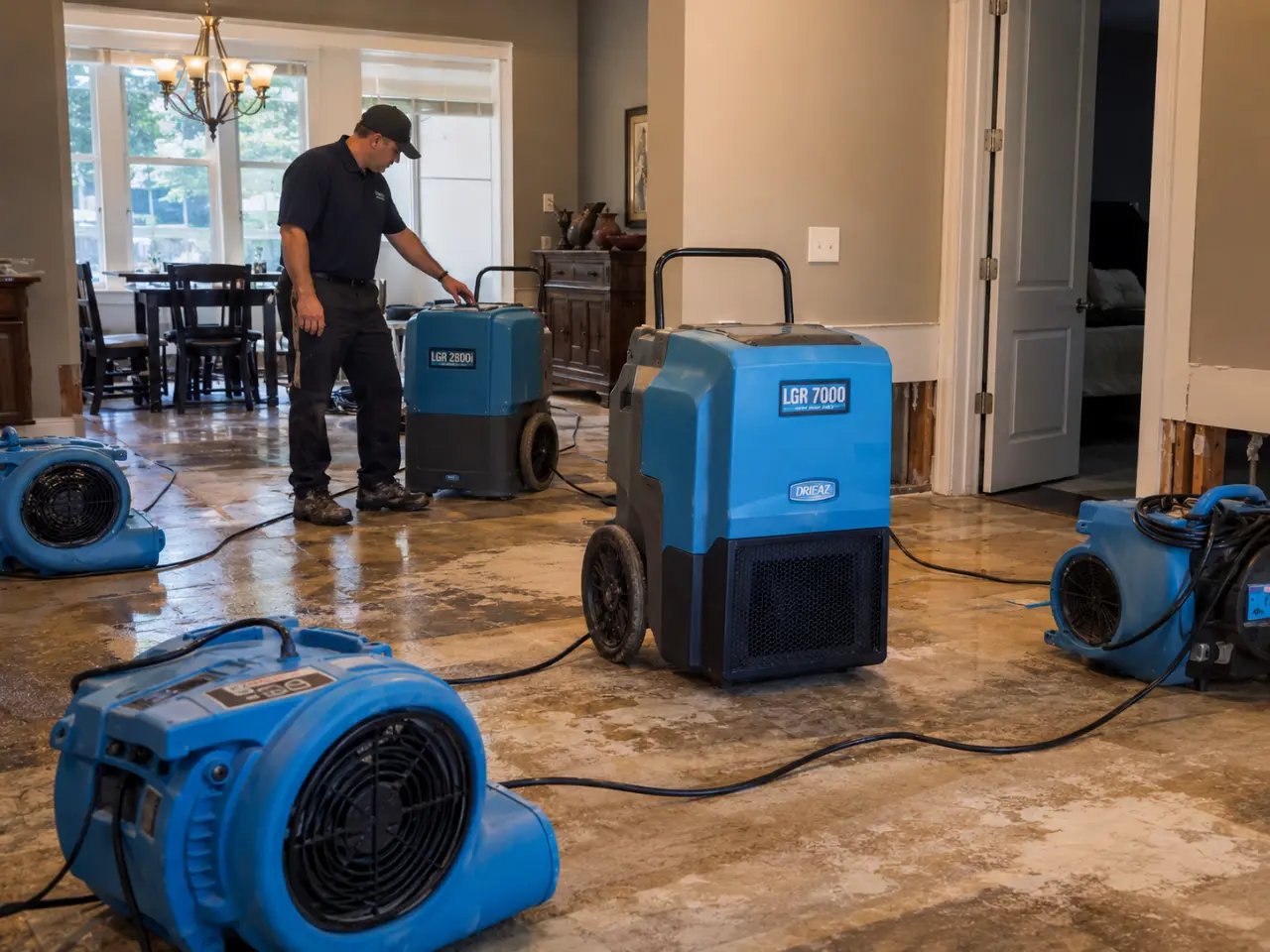
After extraction, we place air movers and commercial dehumidifiers to dry wall cavities, flooring, and other retained materials. Capitol Hill's plaster, drywall, and older floor assemblies need different airflow and monitoring plans. We take moisture readings at repeatable points, adjust equipment as the readings change, and remove machines when the structure meets the drying targets.
05Commercial Water Extraction
For Capitol Hill offices, ground-floor shops, and other commercial spaces, we prioritize safe access and reducing downtime while protecting nearby inventory. We extract water, identify affected areas beyond the obvious wet patch, and set drying equipment without blocking essential circulation more than necessary. We coordinate the work area with the person responsible for the premises.
06Carpet Water Extraction & Drying
Carpet saturation can leave water trapped in padding and at the floor underlayment even after the surface looks passable. We extract water from Capitol Hill carpets, assess the padding, and determine what can be dried in place or should be removed. Air movers and moisture checks help us track progress in bedrooms, hallways, and shared apartment spaces.
More than a service list
How We Work Inside Capitol Hill Buildings
Capitol Hill water extraction service begins with a safe entry plan and a clear account of where water started, where it traveled, and whether the supply is shut off. Dense residential blocks and limited parking can affe
Limited curb access beside dense residential blocks and shared entries
Equipment movement can take longer when a building has a narrow entry, stairs, or no nearby loading space. The route matters because a truck-mounted extractor cannot serve every interior location directly, and wet materials can be heavy. How we help: We ask about parking, entry instructions, elevator access, and the affected floor before arrival. Our crew brings portable extraction equipment for interior access and stages hoses or machines to keep shared paths usable. We coordinate with you or building management so residents can move safely around the work area.
Older plumbing and layered finishes conceal water beyond the visible leak
Water can travel behind plaster, under trim, or through floor assemblies before staining appears. A dry-looking surface does not prove that insulation, subflooring, or the next room is dry, particularly after a ceiling leak in a multi-unit building. How we help: We inspect the source area and adjacent surfaces, then take moisture readings at multiple locations. If readings or visual clues indicate hidden moisture, we explain the affected materials and set a monitoring plan. Targeted inspection prevents us from treating only the visible stain while damp material remains enclosed.
Cold winter freezes increase the chance of a sudden pipe failure
A frozen pipe can split and release water after temperatures rise, soaking cabinets, walls, or floors while occupants are asleep or away. Water may continue moving through cavities after the pipe is shut off. How we help: We focus first on stopping the flow and removing standing water, then trace the wet path into connected materials. Our crew positions air movers and dehumidification equipment based on moisture readings. You receive clear instructions about keeping the affected area accessible while drying is underway.
Early warning signs
When to Call for Water Extraction
A small visible symptom can point to a bigger pattern.
Water remains pooled after the source is stopped
Water remains pooled after the source is stopped
Carpet feels wet beneath the surface
Carpet feels wet beneath the surface
Hardwood boards begin to cup or lift
Hardwood boards begin to cup or lift
A ceiling stain grows after an upstairs leak
A ceiling stain grows after an upstairs leak
Clear starting points
Capitol Hill Water Extraction Pricing
In 2026, a small accessible extraction job in Capitol Hill may run about $250-$650, while a larger multi-room loss with drying equipment can range from $1,000-$4,000 or more. The final price depends on water volume, contamination, materials, access, and how many days equipment must remain. Water removal in Capitol Hill is not priced by puddle size alone: saturated padding, wet insulation, or concealed moisture can add labor and monitoring. Sewage cleanup requires different protective steps from a clean-water supply-line leak. We explain the work and pricing upfront before proceeding, then track readings so you can understand why equipment remains in place. These ranges are planning figures, not a quote for an unseen property.
Water volume and source
A shallow clean-water spill is quicker to extract than several inches of water or contaminated sewage. The source and water category affect protective measures, disposal, and cleanup time. In an apartment, water that crossed into another unit also expands the affected area and the labor needed to inspect it.
Materials and hidden moisture
Carpet, hardwood, plaster, drywall, insulation, and subflooring each dry differently. If water has moved behind a wall or beneath flooring, additional inspection and monitoring are needed. Removing saturated carpet padding or opening a wet cavity changes the labor and material portion of a Capitol Hill job.
Access and drying duration
Stairs, a narrow shared entrance, limited parking, or a distant loading point can add equipment-handling time. Drying duration also affects the number of machine-days; a compact room may need 2-3 days, while a larger or concealed wet area can take longer.
We know the route
Capitol Hill Landmarks and Orientation
Capitol Hill's familiar landmarks help describe an address, but the exact street and building entrance determine the final approach. We use the Colorado State Capitol and Civic Center as orientation points for the western side of the area, and the Molly Brown House Museum as a reference near historic residential streets. The Denver Art Museum and Ogden Theatre also help callers explain where they are without relying on an unfamiliar street name. Please share your cross street, floor, and preferred entry so our crew can plan equipment movement and avoid blocking a busy frontage.
Colorado State Capitol
The Capitol is a prominent orientation point on the western side of Capitol Hill. Callers can use it to describe the general direction of an address, while the street name and building entrance provide the details needed for navigation.
Molly Brown House Museum
The museum is a recognizable reference in Capitol Hill's historic residential area. It can help distinguish nearby blocks when a caller is describing a location, but we confirm the actual street and access point before arrival.
Denver Art Museum
The Denver Art Museum is a major downtown cultural landmark near the Golden Triangle. It offers a useful broad reference for addresses in the western part of our service area, with the specific property address guiding the final route.
Ogden Theatre
The Ogden Theatre is a well-known venue on East Colfax Avenue and a practical orientation point for the surrounding Capitol Hill area. We use the caller's street and entrance details to identify the property, not the venue alone.
Capitol Hill service coverage
Is your ZIP on the route?
These are our most frequently served ZIP codes. Nearby areas may also qualify — call if you do not see yours.
Popular neighborhoods: Cheesman Park · North Capitol Hill · Uptown · Golden Triangle
Check my address →
1234
Primary Capitol Hill response zoneSame-day response depends on current call volume, technician availability, and required equipment.
Outside Capitol Hill?
Nearby Denver Service Areas
Washington Park
Washington Park lies south of Capitol Hill within Denver; calls between the two areas remain part of our connected local service coverage.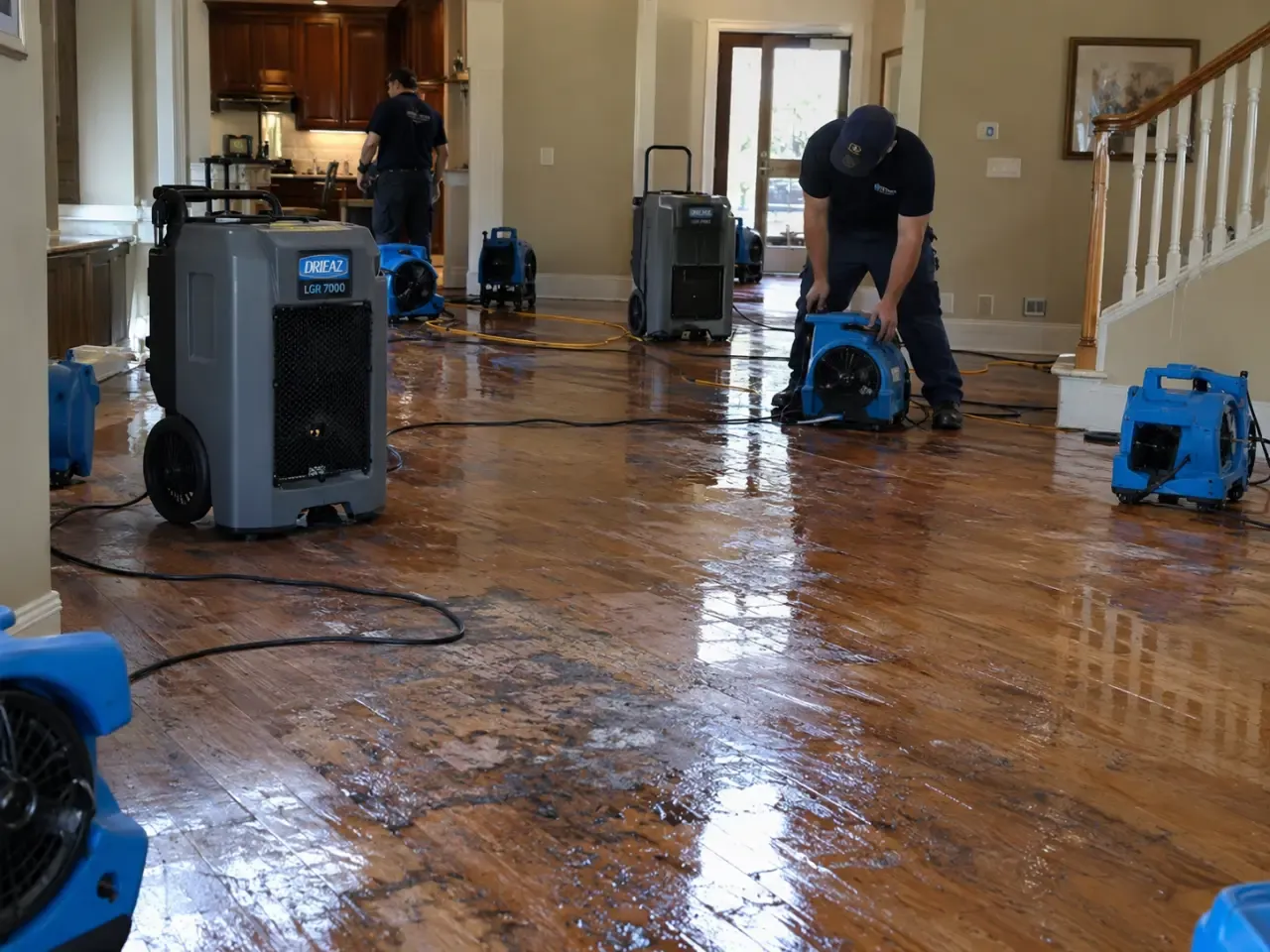
Central Park
Central Park is a Denver neighborhood northeast of Capitol Hill, served within the broader city response area.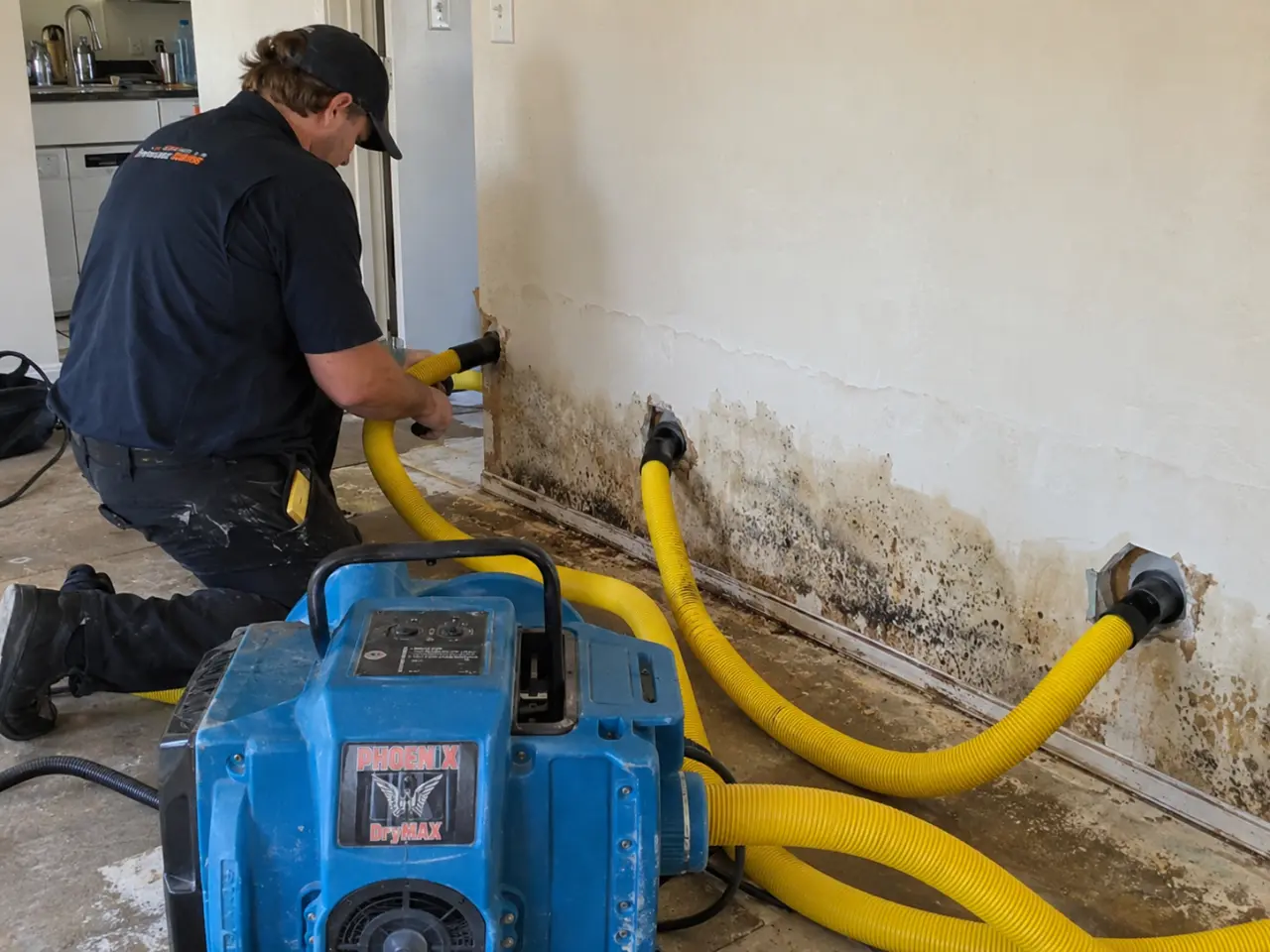
Highland
Highland is northwest of Capitol Hill across central Denver, and shares the same citywide water emergency service region.Capitol Hill Water Extraction FAQ
Water Extraction in Capitol Hill FAQs
A real dispatcher is available if your question is not answered here.
Call (720) 844-2918Who provides emergency water extraction in Capitol Hill?
Denver Water Defense provides emergency water extraction in Capitol Hill, with 24/7 call handling at (720) 844-2918. We remove standing water, inspect affected materials, and set drying equipment based on moisture readings. Our crew serves apartment buildings and homes in ZIP codes 80203, 80218, and 80206. Share the water source, floor, and building access details when you call so we can prepare for the property.
How much does water removal cost in Capitol Hill, Denver?
Small accessible jobs often run about $250-$650, while larger extraction and drying work can range from $1,000-$4,000 or more. The price depends on water volume, contamination, materials, access, and equipment days. A sewage backup, saturated insulation, or water affecting multiple units adds work beyond surface extraction. We explain pricing upfront after assessing the affected area and the work required.
Is 24/7 water cleanup available near Capitol Hill?
Yes, Denver Water Defense takes emergency water cleanup calls 24/7 for Capitol Hill and nearby Denver neighborhoods. Call after a burst pipe, sewage backup, or active flooding, even overnight. For same-day emergency water cleanup in Capitol Hill, tell us whether the water is still flowing, which floor is affected, and how to enter the building. Those details help us prepare the right extraction setup.
How quickly can a water extraction company reach Capitol Hill?
Arrival time depends on the active call queue, traffic, and building access; we give a practical timeframe when you call. Capitol Hill's dense blocks and limited parking can affect unloading, so provide your cross street, floor, and entrance instructions. If water is still flowing, shut off the supply only if it is safe, keep away from electrical hazards, and call us at (720) 844-2918.
What should I do after water damage in Capitol Hill?
Stop the water at a safe shutoff, move people away from electrical hazards, and call an extraction crew promptly. Photograph visible damage if you can do so safely, but do not walk through sewage or standing water near electrical equipment. Avoid running fans through contaminated water. We can assess the wet boundary, extract water, and check for hidden moisture in floors, walls, and nearby units.
Capitol Hill dispatch is ready
Call 24/7 for Water Extraction Services
Standing water keeps spreading into flooring and walls until it is removed. Denver Water Defense follows IICRC water-damage restoration practices and helps you take the next practical step. Call (720) 844-2918 for emergency water extraction or to arrange a same-day assessment.
Talk with the local team
Request Capitol Hill service
If water is pooling in your home or business, call Denver Water Defense at (720) 844-2918. We take emergency calls 24/7 and respond to water extraction needs across Denver, CO. Tell us where the water started, which rooms are affected, and whether power or sewage is involved so our team can help you prioritize the next step.