How Frozen Pipe Bursts Lead to Emergency Water Extraction in Denver Homes
A frozen pipe can release gallons of water into a Denver home. Learn what to do first, how extraction works, and why drying cannot wait.
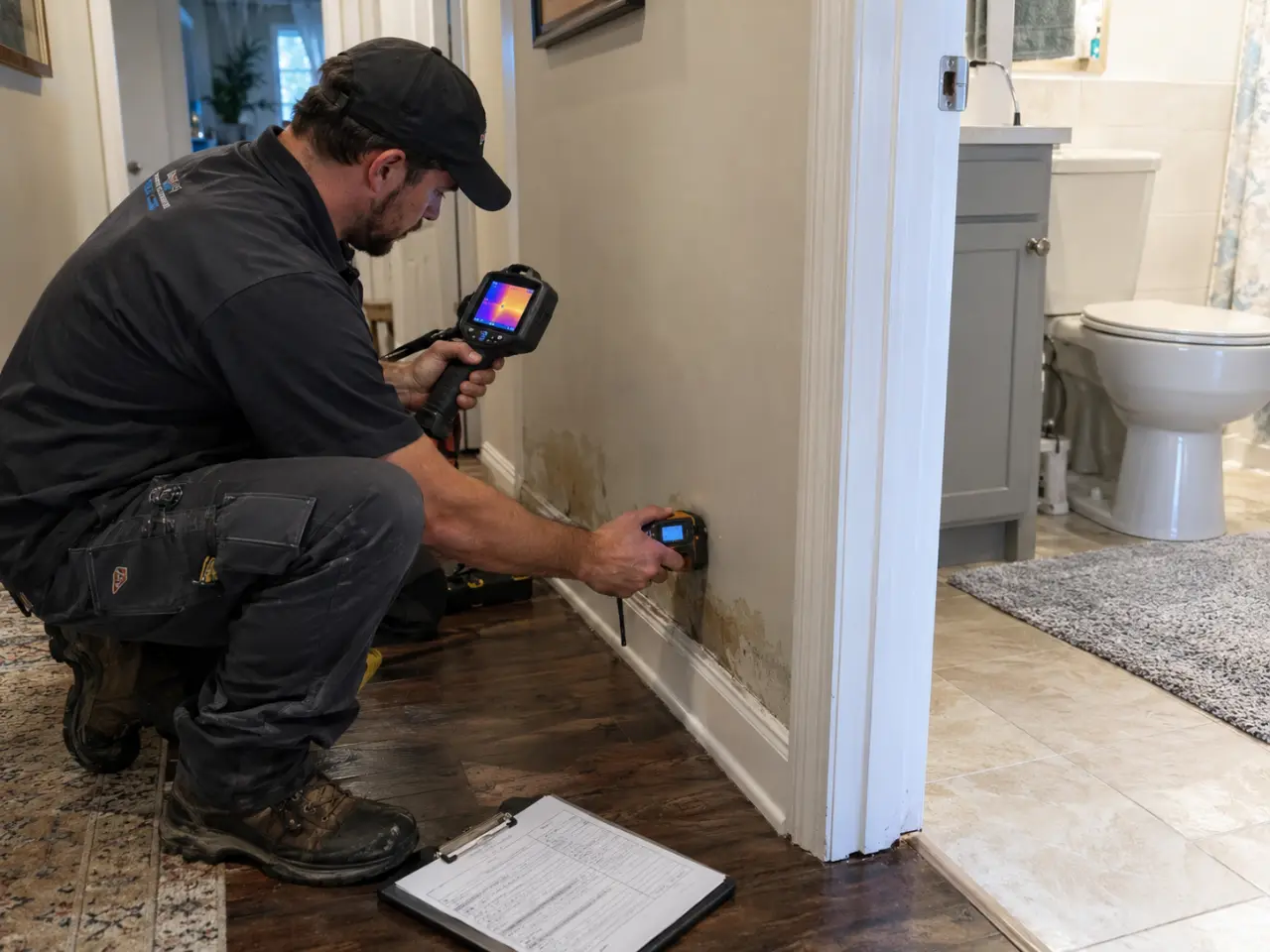
A frozen pipe bursts when ice blocks water flow, pressure builds behind the blockage, and the pipe splits; after the ice thaws, water can pour into walls, floors, and rooms. Emergency water extraction removes that standing water and starts the drying process before moisture spreads into building materials. In Denver, a cold snap can turn a small pipe split into a flooded basement or ceiling leak within minutes.
Frozen pipe burst water extraction Denver is emergency water removal that clears water released by a ruptured frozen line and prepares wet materials for drying. We explain what causes these failures, what you can safely do first, how professional cleanup works, and why timing matters during Denver's winter freeze-thaw swings.
Why frozen pipes burst in Denver homes
Frozen pipes burst in Denver homes when water inside an exposed or poorly insulated line freezes, expands, and creates pressure that splits the pipe. The break often forms away from the ice blockage, so you may not see the damaged section until warmer air thaws the line and water starts flowing again.
Denver's Front Range weather can shift quickly: a sunny afternoon can follow a night below 20°F, and cold winds can chill pipes in crawl spaces, garages, exterior walls, and unheated basements. A thermostat set to 55°F while you are away does not always protect a pipe routed through a cold cavity.
Look for frost on an exposed line, a faucet that produces only a trickle, a bulging or cracked pipe, or a sudden drop in water pressure. A musty smell, damp drywall, or a ceiling stain can signal that a hidden split has already started leaking. These are common signs of frozen pipe water damage in Denver homes.
Older homes with plumbing near exterior walls need particular attention during a deep freeze. In neighborhoods such as Capitol Hill, older building layouts and remodeled plumbing can leave lines in unheated spaces; if a leak spreads through a wall or floor there, Water Extraction in Capitol Hill addresses the local cleanup need.
How does a frozen pipe turn into an emergency water extraction job?
A frozen pipe becomes an emergency extraction job when thawing water escapes faster than it can drain or be contained, soaking floors, insulation, cabinets, and wall cavities. The pipe failure creates the water source; extraction is the immediate step that removes the water already inside your home.
A split half-inch supply line can release a substantial volume under household water pressure. Even a leak that seems small can run unseen behind drywall for hours, and a full break can quickly soak carpet, baseboards, and belongings. A few inches of water in a basement can also reach stored items and electrical equipment.
Our team starts by confirming that the water supply is shut off and identifying where water has traveled. We use extraction equipment to remove standing water from floors and accessible areas, then check affected materials so the drying plan follows the actual wet footprint rather than just the visible puddle.
That distinction matters. Water can travel beneath flooring, wick up drywall, or collect under a cabinet while the room's surface looks mostly dry. After extraction, Structural Drying and Dehumidification Denver CO helps remove moisture from building materials and indoor air so damp areas do not stay trapped.
What should you do immediately after a frozen pipe bursts?
After a frozen pipe bursts in a Denver home, shut off the main water valve, avoid electrical hazards, and call for emergency cleanup as soon as it is safe. Stopping the flow limits additional damage; removing water and drying wet materials are the next priorities.
If you can reach the main shutoff without stepping into standing water, turn it clockwise until it stops. If water is near outlets, appliances, or the electrical panel, do not enter that area; leave and contact the appropriate utility or emergency service for help. Keep children and pets away from wet rooms.
Once the water is off and the area is safe, take these practical steps:
- Open faucets to relieve pressure in the plumbing lines.
- Move dry belongings out of the wet area if you can do so safely.
- Photograph the damaged pipe, standing water, and affected rooms for your records.
- Keep the heat on, but do not use an open flame or a high-heat device to thaw a pipe.
- Call a plumber to repair the line and a cleanup team to remove water and dry the structure.
Do not assume the water stopped because the visible leak slowed. Water trapped behind a frozen section can begin flowing again as the pipe warms, so leave the supply shut off until the line has been checked and repaired.
How quickly should water be removed after a winter pipe burst?
Water should be extracted as soon as possible after a pipe bursts in a Denver home, ideally within the first 24 hours, because moisture begins spreading into porous materials immediately. Quick water removal reduces the amount of water that floors, drywall, insulation, and contents can absorb.
That 24-hour window is a practical urgency benchmark, not a guarantee that damage stops there. Carpeting and padding can hold water against a subfloor, while drywall can absorb moisture above the visible waterline. In a closed room, damp materials and indoor humidity can remain high even after the surface water is gone.
We use extraction tools suited to the material and the amount of water, then check moisture in areas that are not obvious from a quick walk-through. Drying equipment may need to run for several days; the actual duration depends on the materials, room conditions, and moisture readings. Fans alone cannot remove water trapped under flooring or inside a wall cavity.
For a serious leak affecting several rooms, basement storage, or a lower level, Basement Water Removal Denver CO may be part of the cleanup. Water removal after a frozen pipe bursts should include the wet areas beyond the room where the pipe split, not only the place where the leak first appeared.
What affects burst-pipe cleanup cost in Denver?
Burst-pipe cleanup costs in Denver depend on how much water escaped, how many rooms were affected, which materials are wet, and whether water reached a basement or hidden cavity. Typical 2026 pricing in this area often falls around $500-$3,000 for limited extraction and drying, while extensive multi-room damage can exceed $5,000.
Those ranges are planning context, not a quote for your home. A small supply-line leak caught quickly may require only localized extraction and drying, while water that has soaked several rooms, insulation, or hardwood can require more equipment and time. Plumbing repair is a separate part of resolving the source of the leak.
We look at the affected area, water depth, material type, and moisture beyond the visible damage before describing the cleanup needed. Ask for upfront pricing before work begins, and keep your photos and any insurer claim information together.
Homeowners insurance often covers sudden and accidental water damage from a burst pipe, but coverage depends on the policy and the circumstances. Damage linked to neglect, an unheated home, or a known maintenance problem may be treated differently; contact your insurer promptly and document what happened.
Common mistakes after frozen pipe water damage
Common mistakes after frozen pipe water damage in Denver include turning the water back on too soon, drying only the visible puddle, and using unsafe heat to thaw plumbing. These shortcuts can cause another leak, leave moisture inside the structure, or put people at risk.
Do not use a torch, propane heater, or other open flame on a frozen pipe. A hair dryer or heating pad is appropriate only when the pipe is accessible, the area is dry, and you can work without creating an electrical hazard; never use an electrical device where water is present.
Another mistake is putting wet rugs and belongings back before the floor underneath has dried. Carpet may feel dry at the surface while the pad or subfloor remains damp. Likewise, a ceiling stain that stops growing does not prove the cavity above it is dry.
Keep the main valve closed until the repair is complete and the line has been tested. If the pipe froze because it runs through a cold area, have a plumber address insulation, air leaks, or routing after the immediate damage is under control.
When to call a water extraction professional
Call a water extraction professional in Denver when water is spreading across rooms, entering walls or ceilings, soaking carpet or hardwood, or reaching electrical equipment. A hidden leak, a flooded basement, or water you cannot remove with towels and a wet vacuum also calls for prompt help.
Our team handles emergency burst pipe cleanup Denver CO by removing standing water, checking the wet footprint, and setting up drying for affected materials. We coordinate the cleanup around the repaired plumbing line, because drying cannot hold if the water source is still active.
A wet vacuum can pick up shallow water from a small, safe area, but it cannot confirm whether moisture has reached a wall cavity or the layer beneath a floor. We use moisture checks to identify where drying is needed and track whether materials are returning toward dry conditions.
If you have a burst line, tell Denver Water Defense where the water appeared, whether the main valve is off, and which rooms are wet. We can help you take the next step toward a dry, usable home.
Frequently Asked Questions
Why do pipes burst during cold weather in Denver?
Pipes burst when water freezes, expands, and raises pressure inside a line; the break can occur away from the frozen blockage. Denver's below-freezing nights, exposed plumbing, and fast temperature swings put lines in garages, crawl spaces, and exterior walls at risk.
What should I do immediately after a frozen pipe bursts?
Shut off the main water valve if you can reach it safely, keep clear of water near electricity, and call for plumbing repair and water cleanup. Open faucets to relieve pressure, document the damage, and do not restore water service until the broken line has been repaired and tested.
How soon should water be extracted after a pipe bursts in Denver?
Start water extraction as soon as the leak is stopped and the area is safe-ideally within 24 hours. Earlier removal limits absorption into drywall, flooring, carpet padding, and insulation, although hidden moisture can still require several days of monitored drying.
Does homeowners insurance cover frozen pipe water damage?
Many homeowners policies cover sudden, accidental water damage from a burst pipe, but coverage depends on your policy and what caused the loss. Notify your insurer promptly, take photos, and save relevant records; neglect or failure to maintain heat can affect coverage decisions.
Can a burst pipe cause hidden moisture inside Denver walls?
Yes. Water can run behind drywall, soak insulation, or travel along framing without leaving a large surface puddle. A damp smell, bubbling paint, swollen baseboards, or a stain that grows over several hours can indicate hidden moisture; moisture checks help locate affected areas.
Get help with Water Extraction in Denver
A burst frozen pipe can leave water beneath floors and inside walls even after the visible leak stops. Contact Denver Water Defense for emergency water removal and a clear plan to dry the affected parts of your home.