How to Remove Standing Water After a Washing Machine Overflow in Denver
Stop the washer, remove accessible water safely and dry hidden moisture quickly. Here's how Denver homeowners can limit floor and wall damage after an overflow.
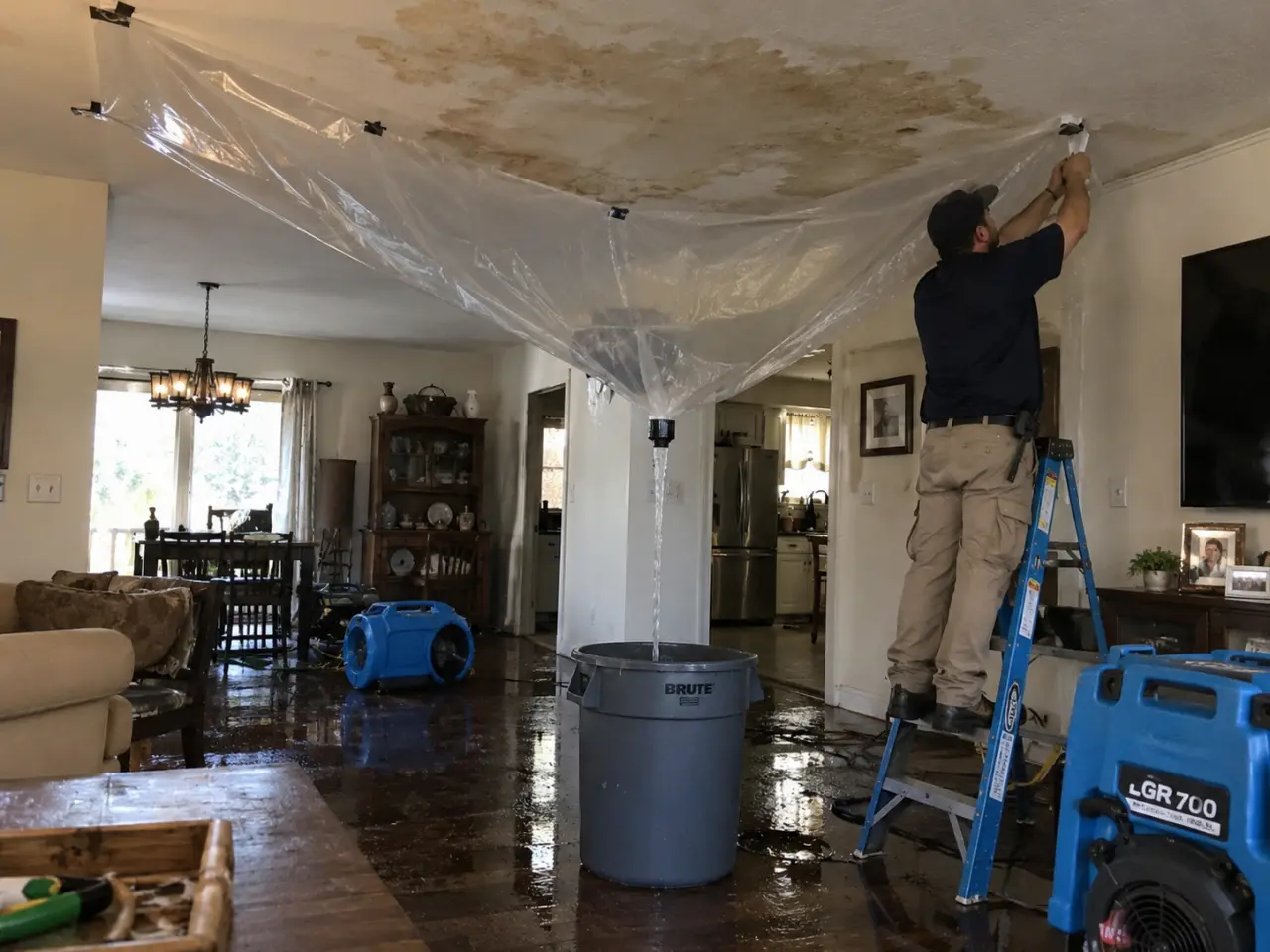
To remove standing water after a washing machine overflow in Denver, stop the washer, shut off its water supply, make the area electrically safe, then extract the water and dry the flooring and wall edges. Start within minutes; water that seeps under flooring or behind baseboards is harder to remove than water you can see.
Our guide explains the first steps, safe cleanup methods, drying times and signs that you need professional washing machine overflow water removal Denver service. Water Extraction Denver CO is the service that removes unwanted water from a property and addresses the moisture left behind after a leak or overflow.
What to do first after a washer overflows in Denver
After a washer overflows in Denver, stop the cycle, close both supply valves and keep people away from wet electrical outlets or appliances. That sequence limits more water and reduces shock risk.
Press the washer's stop or cancel control only if you can reach it without stepping into water. Turn the hot and cold supply valves clockwise behind the machine; if they are stuck or inaccessible, use the home's main shutoff only if you know where it is and can operate it safely. Don't pull a powered washer through a puddle.
If water is near an outlet, extension cord, power strip or the washer's plug, do not touch the equipment or stand in the water. Shut off the affected circuit at the breaker from a dry location, if you can do so safely. If you cannot reach the breaker safely, leave the room and get help.
Once the washer is stopped, identify whether the water came from a supply hose, drain hose, clogged standpipe, door seal or overfilled tub. Take a quick photo of the source and affected area for your records, then move dry items and detergent containers out of the splash zone.
How to remove standing water from a laundry room
To remove standing water from a Denver laundry room, absorb small puddles with towels or use a wet-dry vacuum rated for liquid pickup, then extract water from edges and seams. Never use a household vacuum that is not designed for wet material.
For a thin layer on sealed tile or vinyl, towels and a floor squeegee may be enough. For deeper water, a wet-dry vacuum can help, but empty its tank frequently and follow the manufacturer's instructions. Keep the cord, plug and machine on a dry surface, and stop if water is approaching electrical equipment.
Move the washer only after it is disconnected from power safely and the floor is not slippery. Avoid dragging it; its feet can gouge vinyl, scratch tile or catch a hose. If the machine is too heavy to move safely, work around it and let an extraction crew reach the trapped water.
- Pick up soaked rugs, laundry and cardboard boxes; set salvageable items where air can circulate.
- Blot or vacuum water from the floor, then check along the washer pan, doorway and baseboards.
- Keep towels and wet materials out of the walking path, and wear shoes with a firm grip.
A few cups of water on sealed tile is a different problem from water that has spread under a washer, into carpet or across a wood floor. For a larger puddle, repeated overflow or moisture under the flooring, professional Denver flood water extraction can remove water with equipment built for recovery rather than surface wiping.
Dry the floor, baseboards and wall cavities
Drying after a washing machine overflow in Denver means removing both visible water and moisture held under flooring, behind trim or in the wall. A dry-looking surface alone does not prove the assembly is dry.
After extracting standing water, run fans to move air across the damp surface and a dehumidifier to collect moisture. Aim airflow across the floor, not directly into a wall opening. Keep interior doors open where practical, and empty the dehumidifier reservoir as directed.
Denver's dry climate can help evaporation, but winter heating and low outdoor temperatures do not make wet materials safe by themselves. Avoid opening windows during freezing weather; cold air can cool wet materials and slow drying. In October and through the coming winter, maintain normal indoor heat and use controlled indoor airflow instead of relying on outdoor air.
Check the floor edges, baseboards and adjoining rooms. Water can travel beneath laminate, engineered wood and floating floors, while carpet can hold moisture in its pad. If a wall feels soft, paint bubbles, trim swells or flooring seams lift, stop using that area and arrange a moisture assessment.
Our team uses moisture meters to compare wet areas with unaffected materials and monitors drying rather than guessing by touch. Structural Drying and Dehumidification Denver CO addresses moisture that remains in building materials after the visible water is gone. The goal is to dry the affected assembly, not just warm the room.
Why a washer overflow can damage more than the floor
Water from an overflowing washing machine can damage floors, baseboards, drywall, cabinets and the ceiling below if it runs long enough or reaches a gap. The risk depends on how much water escaped, where it traveled and how quickly you remove it.
Tile and sealed concrete usually tolerate brief exposure better than laminate, wood or carpet, but water can still reach joints and edges. Laminate boards can swell at their seams; hardwood can cup or discolor; carpet pad can stay wet after the surface feels dry. A laundry room on an upper floor also deserves a check below, especially around light fixtures and ceiling seams.
Washer water is commonly from the household supply or wash cycle, but its condition matters. Water from a backed-up drain or dirty standpipe is different from a clean supply leak; avoid contact with dirty water and don't treat it like an ordinary towel cleanup. For homeowners in older Capitol Hill properties, narrow laundry closets and older floor transitions can make hidden water harder to spot, so Water Extraction in Capitol Hill may involve checking adjoining rooms and the floor below as well as the laundry area.
Record the time you found the overflow, the likely source, affected rooms and any cleanup steps. Photos and a short written timeline can help when you contact your insurer or arrange repairs.
Common mistakes after a washing machine overflow
Common washer-overflow cleanup mistakes in Denver include leaving the supply open, using unsafe electrical equipment and stopping once the surface looks dry. These choices can allow water to spread or leave hidden moisture behind.
Don't restart the washer to see whether it leaks again while the floor is wet. First have the hose, drain and machine checked, and keep the water valves closed until the cause is clear. A split fill hose can release water continuously, even when the washer is off.
Skip household fans or heaters placed close to wet flooring, and don't aim a space heater at a puddle. High heat can damage finishes, while a heater near water adds an electrical and fire hazard. Use fans and a dehumidifier only in a dry, safe setup.
Do not push water toward a floor drain unless you know it is clear and the water is clean. A blocked drain can spread the problem, and wastewater requires a different response. Also avoid sealing damp flooring under plastic or replacing a swollen baseboard before the area is dry.
Most importantly, don't assume a small puddle means a small repair. A leak under the washer or behind a cabinet can travel beyond the visible outline, so inspect nearby flooring and the ceiling below before calling the cleanup complete.
When to call a water extraction professional
Call a water extraction professional in Denver when water has spread beneath flooring, soaked carpet, reached drywall, entered a ceiling or cannot be removed safely with household tools. A same-day response matters because hidden moisture can remain after the puddle is gone.
Contact us promptly if the overflow lasted more than a few minutes, the water reached multiple rooms, the floor is wood or laminate, or you see swelling, staining or a musty odor. Our team extracts standing water, checks affected materials and sets up drying equipment based on what is wet. For broader laundry room water cleanup Denver CO, professional measurement helps establish whether the floor and wall edges are continuing to dry.
Typical 2026 pricing for a small, accessible extraction and drying visit can fall around $500-$1,500; a larger loss with soaked flooring, wall materials or multiple rooms can reach $2,000-$5,000 or more. The affected area, water category, material removal and drying duration drive the final price. We explain pricing upfront before work starts.
When you call Denver Water Defense, tell us what overflowed, how long the water ran, the floor type and whether the water reached another room or level. That gives our team a useful starting point for washer overflow cleanup in Denver, Colorado, and helps us bring the right extraction and drying equipment.
Frequently Asked Questions
What should I do first after a washing machine overflows in Denver?
Stop the washer and close its hot and cold supply valves immediately, then avoid wet electrical areas. If water is near a plug or outlet, do not touch the washer; turn off the circuit from a dry, safe location or leave the room. After the water source is controlled, remove belongings and begin safe extraction.
How do I remove standing water from a laundry room?
For a small puddle, use towels or a wet-dry vacuum rated for liquid pickup; larger or hidden water needs professional extraction. Keep electrical equipment away from wet floors, check the washer's edges and baseboards, and remove soaked rugs or laundry. If water has entered flooring seams, carpet pad or a wall, arrange a moisture check.
When should I call a water extraction company after a washer leak?
Call the same day if water covers more than a small patch, sits under the washer, reaches carpet or wood, or enters a wall or lower level. A professional can extract water and measure material moisture rather than relying on appearance. Call immediately if the leak continues or electrical safety is uncertain.
Can water from a washing machine damage floors and walls?
Yes. Water can swell laminate, cup hardwood, soak carpet pad and damage baseboards or drywall; water that reaches an upper-floor seam can also stain the ceiling below. Damage depends on the volume and exposure time. Check adjoining rooms and the floor below, even if the laundry room surface looks dry.
How quickly should an overflowing washer be cleaned up in Denver CO?
Stop the leak and begin safe water removal immediately, ideally within the first few hours. Don't leave standing water overnight if you can safely extract it. Hidden moisture can persist after visible water disappears, so contact a professional the same day when flooring, walls or carpet are wet.
Get help with Water Extraction in Denver
If your washer overflow has soaked flooring, reached a wall or left water you cannot safely remove, Denver Water Defense can extract it and help dry the affected area. Call (720) 844-2918 for washing machine leak water extraction Denver support.